
Follow us on Google News

Nvidia CEO Jensen Huang’s reinstatement has left the company facing lawsuits, regulatory scrutiny and continuing investigations.
Why Did Jensen Huang Resign and Return?
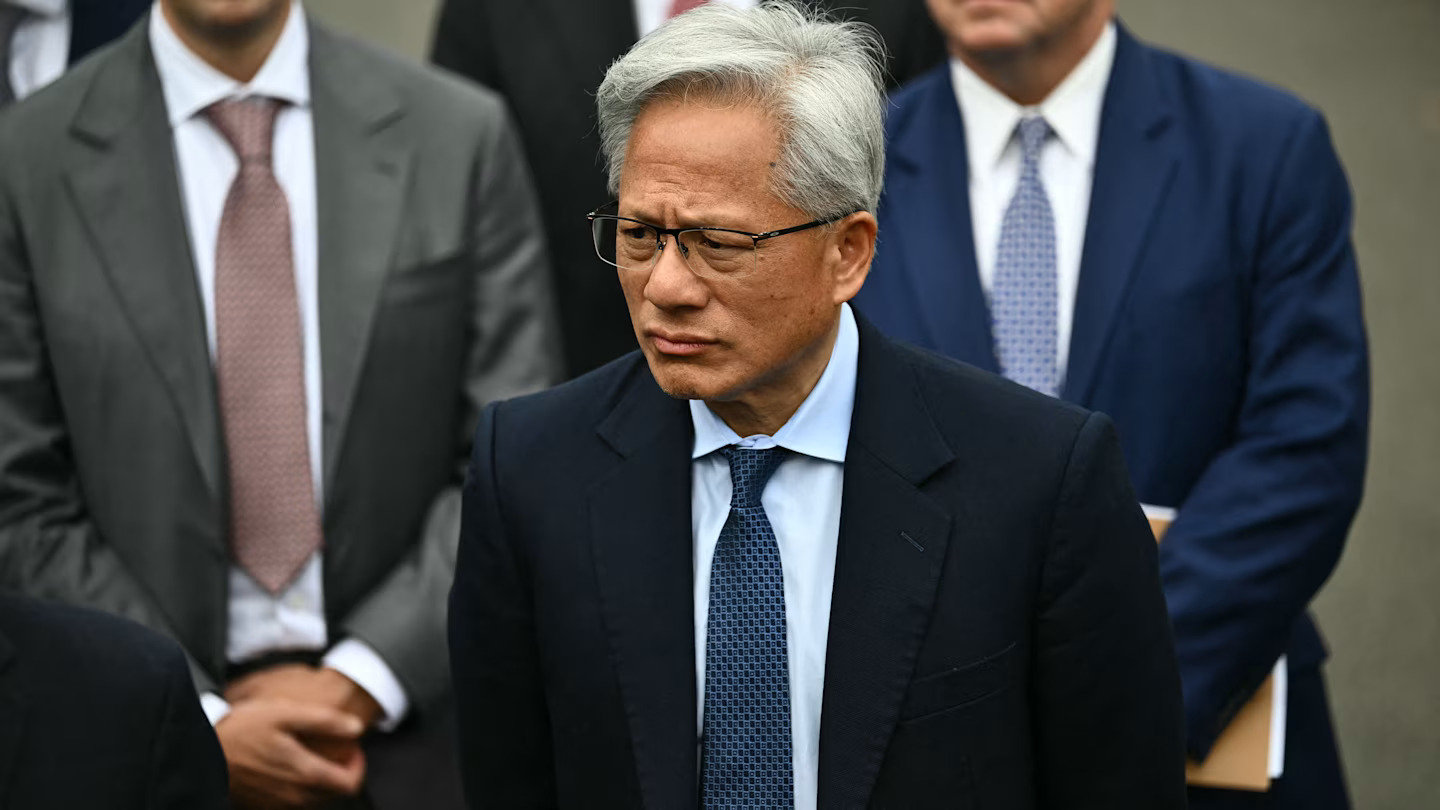
Nvidia’s board reinstated co-founder Jensen Huang as chief executive at the urging of US President Donald Trump, less than two weeks after Huang resigned on November 12 following revelations about extramarital relationships, including an alleged connection with a suspected Chinese spy.
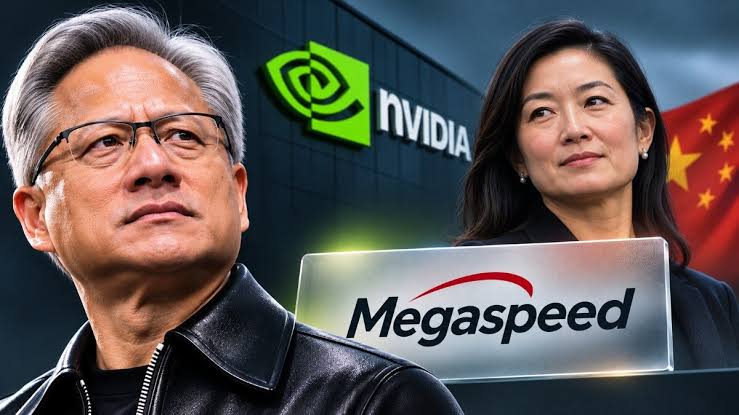
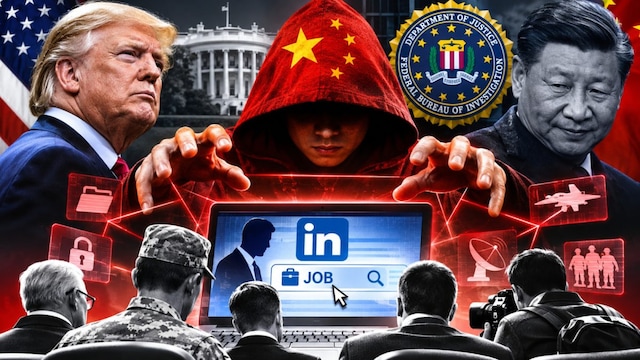
Huang allegedly had an intimate relationship with Alice Huang, an unrelated Chinese businesswoman accused of having links to Beijing. He was also accused of relationships with at least two Nvidia employees. Huang acknowledged being unfaithful to his wife and apologised but has not publicly addressed each allegation in detail. China has denied the espionage allegations.
Nvidia said its board, relying on US government input, was confident Huang’s reinstatement presented no national security risk. Trump publicly defended Huang and said his intervention had helped secure the executive’s return. The reinstatement subsequently prompted a substantial rally in Nvidia shares, although questions surrounding the company’s governance and legal exposure remain.
FCRF Launches Certified Chief Risk Officer (CRO) Program for India’s Risk Leaders
What Legal Challenges Does Nvidia’s Board Face?
An investor filed a derivative lawsuit in federal court on November 11, alleging that Nvidia’s directors failed to exercise adequate oversight of Huang and the company’s business. The complaint also questioned assurances made about Huang’s relationship with Alice Huang and her former company, Megaspeed, before the allegations became public.
Nvidia established a committee of independent directors and appointed law firm Wachtell, Lipton, Rosen & Katz to assist with an internal investigation, which remains underway. Legal experts suggested Trump’s assurances could strengthen the directors’ defence against certain national security concerns.
However, shareholder attorney Lee Squitieri argued that Huang’s reinstatement did not substantially alter the liability issues. He alleged weaknesses in succession planning, compliance oversight and corporate governance. Nvidia maintains insurance coverage of up to $950 million for its officers and directors.
What Is the Status of Federal Investigations?
Federal scrutiny has included questions surrounding Huang’s alleged relationship with Alice Huang and potential national security implications. Trump said the FBI was investigating the matter, while Attorney General Todd Blanche confirmed on November 12 that the bureau was examining Alice Huang.
The US Department of Justice said it had no evidence of wrongdoing by Nvidia or its co-founder. The precise status of federal criminal investigations remained unclear, and the department declined to comment further.
Legal experts suggested Trump’s intervention could reduce the likelihood of continued federal prosecution during his administration. Nevertheless, potential export-control violations remain legally significant because applicable limitation periods extend beyond January 2029. Future enforcement decisions could therefore depend on subsequent administrations and investigative findings.
Why Are State Authorities Continuing Their Probes?
State investigations remain active despite federal assurances. Attorneys general in California and Missouri have indicated that their respective inquiries will continue, examining different aspects of Nvidia’s conduct and the allegations involving Huang.
California Attorney General Rob Bonta’s office issued an investigative subpoena to Nvidia on November 19. Investigators are examining whether China obtained advanced semiconductor technology or confidential information and whether the company misled the public. Authorities have not specified whether the inquiry is criminal or civil, and an investigation does not necessarily result in charges.
Missouri Attorney General Catherine Hanaway’s office is separately examining whether Huang’s actions harmed state pension funds. The inquiry has also been described as involving consumer protection concerns and possible misrepresentations. These investigations remain independent of Trump’s public assessment of Huang’s conduct.
What Happens to the SEC Investigation?
The US Securities and Exchange Commission is investigating Nvidia over potential accounting issues. The status of that inquiry following Trump’s intervention has not been established, and the regulator did not immediately respond to requests for comment.
The SEC’s enforcement independence has also attracted attention. Legal experts have raised concerns about its position under Trump’s second administration, while earlier reporting described disagreements within the agency over enforcement priorities.
The investigation adds another regulatory dimension to Nvidia’s difficulties. Its outcome will depend on the evidence examined and decisions taken by the securities regulator, rather than the company’s decision to reinstate Huang.
Can Nvidia Investors Still Pursue Compensation?
A proposed shareholder class action filed in federal court in San Jose, California, on November 9 alleges that Nvidia and Huang misled investors by concealing his alleged relationships with Alice Huang and Megaspeed.
The lawsuit does not specify damages. Nvidia shares reportedly declined approximately 20 per cent from their peak during the proposed class period, representing an estimated $1 trillion reduction in market value. However, the subsequent rally following Huang’s reinstatement could affect the potential financial value of shareholder claims.
US securities law limits certain shareholder damages when stock prices recover within 90 days of an initial decline. Consequently, the company’s market performance could influence the financial consequences of the litigation, although the underlying allegations remain subject to judicial examination.
The420 Insight
Huang’s return to Nvidia demonstrates that reinstating a senior executive does not automatically resolve corporate governance disputes, shareholder litigation or regulatory investigations. The continuing inquiries underline the importance of board oversight, transparent disclosures and compliance procedures, particularly for companies operating in strategically sensitive technology sectors.