
Follow us on Google News

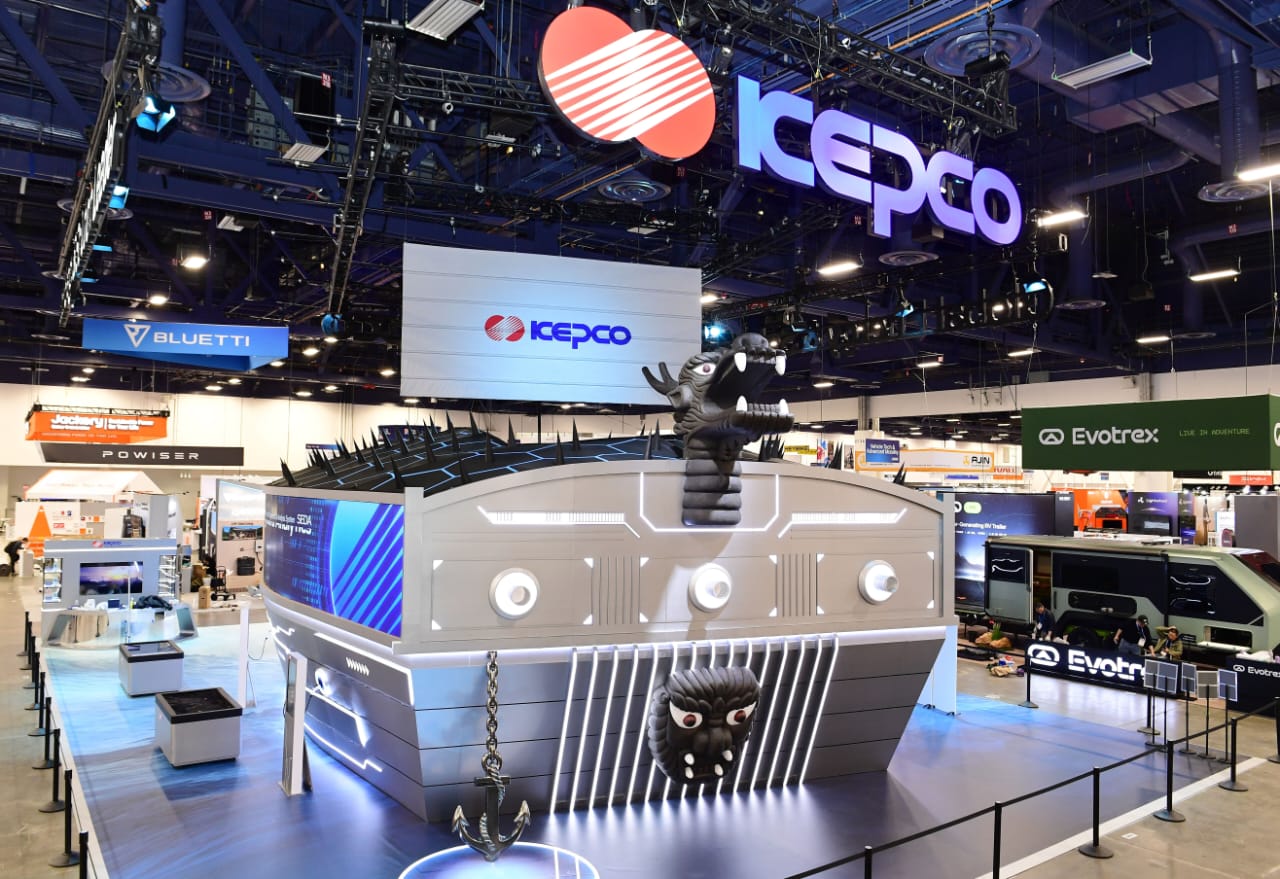
A major cyberattack on South Korea’s state-run electricity utility, Korea Electric Power Corporation (KEPCO), has exposed the personal and sensitive information of more than 1.5 million people. Attackers breached the company’s internal network and gained unauthorized access to two core information technology systems: the KEPCO ON consumer service and bill payment platform, and the SRM electronic procurement and contract management system. The compromised records include names, identification details, phone numbers, addresses, banking credentials, and card data belonging to customers, employees, and corporate representatives.
KEPCO detected the unauthorized access on November 20 and immediately blocked external IP addresses while suspending the affected services. Although the utility initiated efforts to identify affected individuals and prevent data misuse, it has not yet disclosed how the intruders initially entered the network or which technical vulnerability was exploited.
Banking and Card Details of Over 6.5 Lakh Customers Compromised
According to the utility, the breach affected 650,487 users of the KEPCO ON platform, which consumers use to view and pay electricity bills. The leaked records contain names, identification details, phone numbers, residential addresses, bank names, bank account numbers, and account holder names. Card issuer details, card numbers, cardholder names, and electricity billing records were also exposed.
Access to banking credentials alongside electricity billing history enables cybercriminals to impersonate banks, utility officials, or government agencies with greater credibility. Authorities warn that fraudsters could use fake calls, messages, or emails to deceive consumers under the pretext of bill payments, account verification, or KYC updates.
Corporate Representatives and Staff Records Also Exposed
The breach extended beyond electricity consumers to impact business partners and internal personnel. Information belonging to 426,827 corporate representatives was compromised, including their names, identification details, email addresses, and corporate office locations.
In addition, the records of 442,934 KEPCO employees were exposed, covering names, department or unit affiliations, employee identification numbers, mobile numbers, email addresses, and company phone numbers. While KEPCO noted that advanced technologies such as artificial intelligence were involved in the attack, it did not share technical details on how AI was used to bypass security defenses or extract data.
Hacker Claim and Phishing Warnings
A suspected cybercriminal operating under the alias “Noim” claimed responsibility for the breach on a hacker forum on November 19, advertising KEPCO’s consumer data, supplier records, and tender documents for sale or distribution. South Korea’s Personal Information Protection Commission confirmed that KEPCO received an email from a hacker on November 19 claiming the theft, though authorities have not officially confirmed Noim as the perpetrator.
KEPCO is directly notifying affected individuals, has reported the incident to data protection regulators, and is coordinating with government and financial institutions to block unauthorized transactions. Affected individuals have been urged to verify unsolicited communications, avoid suspicious links or unknown apps, and never share banking passwords, OTPs, or verification codes, while reporting fraud attempts to police or the Korea Internet and Security Agency.