
Follow us on Google News

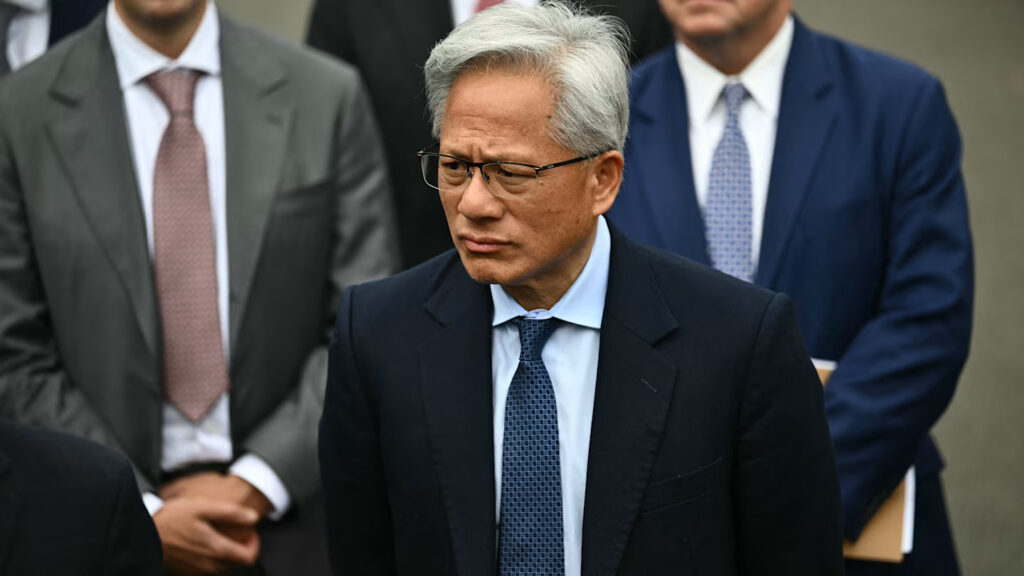
Nvidia CEO Jensen Huang reportedly disclosed additional extramarital affairs before the company’s board voted to reinstate him.
What Did Jensen Huang Disclose to Nvidia’s Board?
Nvidia’s board held an hours-long meeting with Jensen Huang on Sunday, November 22, during which he reportedly disclosed additional extramarital relationships beyond those previously made public. The disclosures came shortly before directors unanimously agreed to restore him as chief executive, less than two weeks after his resignation. The discussions followed efforts by US President Donald Trump to secure Huang’s return to the artificial intelligence chipmaker.
According to reports citing people familiar with the discussions, Huang expressed remorse over his conduct during the meeting. However, the exact number of additional relationships and the identities of those involved were not disclosed. Despite approving his reinstatement, Nvidia’s board reportedly concluded that Huang had violated the company’s code of conduct through his affairs and his failure to disclose them.
FCRF Launches Certified Chief Risk Officer (CRO) Program for India’s Risk Leaders
What Were the Earlier Allegations Against Huang?
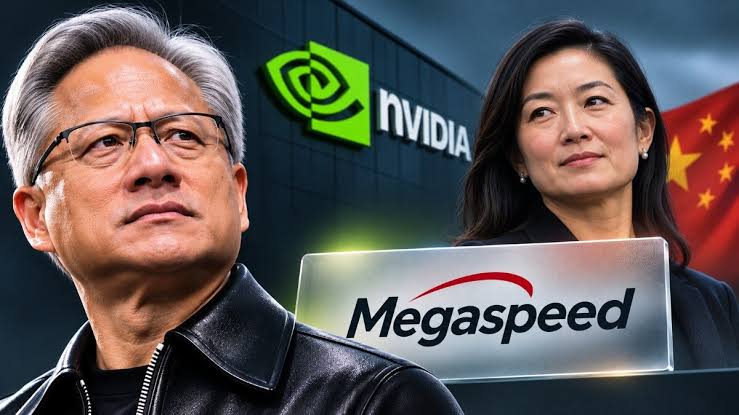
Before the latest board meeting, Huang had reportedly been linked to at least three extramarital relationships. Earlier in November, he acknowledged being unfaithful to his wife following allegations involving Alice Huang, a former executive at Singapore-based cloud computing company Megaspeed. US officials reportedly suspected Alice Huang of having connections to Chinese intelligence, raising national security questions surrounding the Nvidia executive.
Separate reports identified Nvidia’s vice-president of healthcare, Kimberly Powell, as another person allegedly involved in a relationship with Huang. Another Nvidia employee was also linked to the executive, although her identity was not disclosed. It remains unclear whether the additional relationships discussed during Sunday’s board meeting included the previously reported third relationship. The allegations had already prompted scrutiny of Huang’s personal conduct and his position within the company.
Why Did Nvidia Reinstate Jensen Huang?
Nvidia announced on Monday that its board had unanimously voted to reinstate Huang following meetings and discussions with him. The company said directors were satisfied with his candour and leadership capabilities. The board also cited assurances received from senior US government officials that Huang’s return would not create a national security risk.
The decision followed extensive intervention by President Donald Trump, who publicly supported Huang’s reinstatement through a post on Truth Social. Attorney General Todd Blanche reportedly informed Trump that Huang was neither the subject nor the target of a Justice Department investigation and that there was no evidence suggesting he posed a national security threat. Nevertheless, Nvidia confirmed that its independent investigation into whether Huang had been targeted by a foreign intelligence operation would continue.
How Did Trump Influence the Board’s Decision?
Trump reportedly played a central role in persuading Nvidia’s directors to bring Huang back. The president said he had wanted to intervene earlier but was uncertain whether his involvement would succeed. His efforts intensified as Nvidia’s share price declined following the controversy surrounding its chief executive.
Speaking to CNBC on Monday, Trump said Huang had been exonerated and defended the board’s decision. He described Huang as a national treasure and said he had convinced Nvidia’s directors to reinstate him. The announcement was followed by a sharp recovery in the company’s market value, with Nvidia shares rising more than 31 per cent to $165.05 on Monday after declining substantially the previous week. The market reaction reflected renewed investor confidence following the leadership decision.
What Questions Remain Over Nvidia and Megaspeed?
Despite Huang’s reinstatement, questions concerning Nvidia’s corporate governance and the reported intelligence connections remain unresolved. The board’s reported finding that Huang violated the company’s code of conduct stands alongside its decision to restore his leadership. Nvidia’s independent inquiry into possible foreign intelligence involvement is also continuing, indicating that the company’s internal examination has not concluded.
Hours after the reinstatement, the US Commerce Department added Megaspeed and six other entities based in Singapore, Malaysia and Thailand to its trade blacklist. The Bureau of Industry and Security cited concerns that the companies could facilitate the diversion of advanced computing technology to unauthorised customers or uses. Exports to the listed entities will require licences subject to a presumption of denial. The action adds a separate regulatory dimension to the questions surrounding Megaspeed and its reported connection to Huang.
The420 Insight
Nvidia’s decision to reinstate Jensen Huang highlights the distinction between restoring executive leadership and resolving questions of corporate accountability. The board’s reported findings, continuing internal investigation and US trade restrictions involving Megaspeed demonstrate how personal conduct, governance standards and national security concerns can intersect at a major technology company. The remaining investigations will determine whether further action is warranted.