
Follow us on Google News

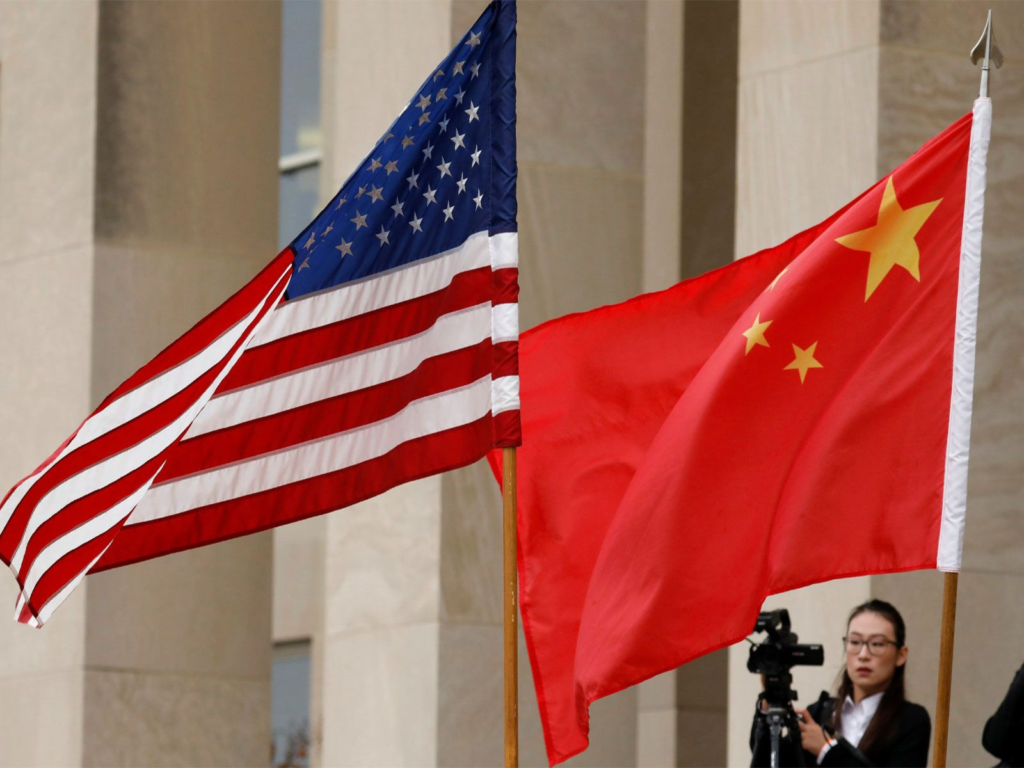
China has warned that European restrictions on advanced chipmaking equipment could damage improving trade relations with the European Union, raising the possibility of retaliatory limits on technology sharing.
The warning came from Qu Xun, China’s minister-counsellor in Madrid, during an interview published by Reuters on November 17. He criticised restrictions imposed by the Netherlands on semiconductor manufacturing equipment supplied by Dutch technology giant ASML.
Qu said China wanted Europe to make independent trade decisions rather than follow pressure from the United States. He also suggested Beijing could reconsider its approach to technology transfers if European countries continued restricting Chinese access.
The remarks come at a sensitive moment. China and the European Union recently made progress in negotiations over automobile exports, but disagreements over advanced technology threaten to complicate further discussions.
FCRF Launches Certified Chief Risk Officer (CRO) Program for India’s Risk Leaders
Why China Is Challenging Europe’s Chip Equipment Restrictions
The Netherlands has restricted exports of certain advanced semiconductor manufacturing machines to China for several years.
ASML, one of the world’s most important chipmaking equipment manufacturers, produces machines used by semiconductor factories to manufacture processors found in smartphones, computers and artificial intelligence systems.
The Dutch restrictions have been introduced and expanded through different export-control measures. Some equipment requires government approval before shipment to particular destinations.
Washington has encouraged allied countries to impose stricter controls on technologies that could strengthen China’s ability to manufacture advanced semiconductors.
US policymakers argue that sophisticated chipmaking capabilities can support military systems, advanced surveillance and other sensitive applications.
China, however, views the restrictions as discriminatory measures that limit its technological development.
Qu told Reuters that China wanted access to ASML equipment but was receiving technology several generations behind the most advanced machines.
He argued that restrictions based on fears of technology theft could encourage China to adopt a similarly cautious approach towards sharing its own technology.
The diplomat did not identify specific technologies China might restrict or announce any formal retaliatory measures.
What Is ASML Technology And Why Does It Matter?
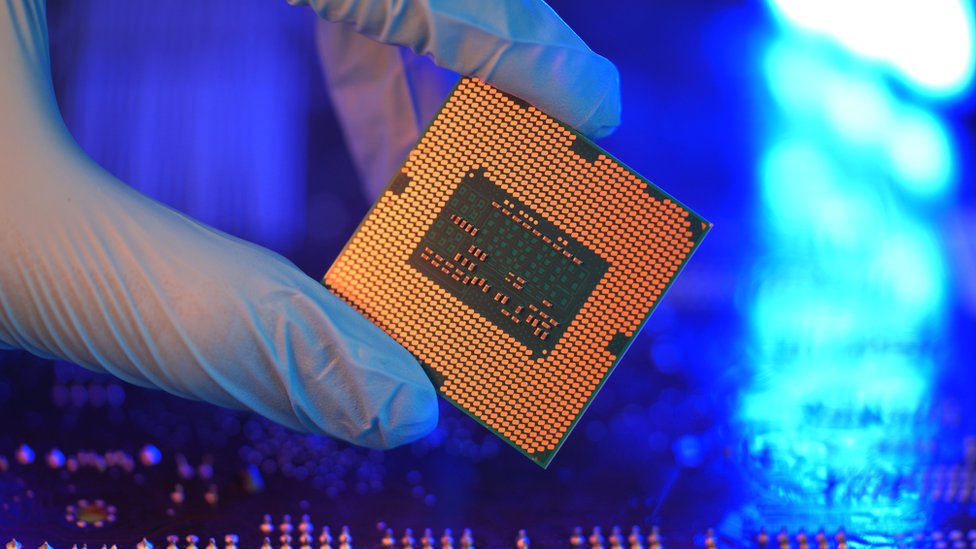
Semiconductors are tiny electronic components that control how modern devices process information.
Manufacturing them requires extremely precise equipment capable of creating microscopic patterns on silicon wafers.
ASML specialises in lithography machines, which use light to print these patterns during chip production.
A simple comparison is a highly advanced printing machine. Instead of printing words on paper, it helps create the intricate electronic circuits required for computer processors.
The company’s most sophisticated systems use extreme ultraviolet lithography, commonly called EUV. Other machines use deep ultraviolet technology, or DUV.
These technologies are important because advanced chips require increasingly small and complex circuits.
Restrictions on access to manufacturing equipment can therefore affect a country’s ability to produce certain generations of semiconductors.
The Netherlands expanded its national export-control requirements in September 2024 and announced further changes that took effect in April 2025.
However, export controls do not necessarily prohibit every shipment. Depending on the equipment and applicable regulations, manufacturers may need government licences before completing sales.
A Trade Recovery Faces Another Diplomatic Test
The semiconductor dispute is unfolding alongside efforts by Brussels and Beijing to stabilise their broader economic relationship.
In October 2026, European Trade Commissioner Maroš Šefčovič and Chinese Commerce Minister Wang Wentao held discussions that produced an understanding on Chinese hybrid vehicle exports to Europe.
The development was welcomed as progress after prolonged disagreements over automobile imports, tariffs and market competition.
Further EU–China trade talks are expected in 2027, but disputes over technology access and industrial policies remain unresolved.
European officials have also examined proposals affecting foreign investment, local manufacturing requirements and technology transfers in strategic industries.
Chinese companies have become major investors in Europe’s electric vehicle and battery sectors, increasing the importance of maintaining workable trade relations.
Spain illustrates that growing economic relationship. Chinese investment stock in the country has reached approximately €12 billion, according to figures cited in the Reuters interview.
Qu indicated that Chinese businesses remained interested in long-term investment despite political uncertainty.
Nevertheless, the disagreement over semiconductor equipment reveals how trade negotiations now extend beyond traditional questions of tariffs and market access.
Governments are increasingly treating advanced manufacturing technologies as strategic assets, while companies depend on international supply chains to maintain production.
For India, which is developing its own semiconductor manufacturing ecosystem, such disputes also highlight the importance of access to specialised equipment and dependable international partnerships.
For now, China’s warning represents diplomatic pressure rather than a confirmed policy change. Whether it leads to additional restrictions will depend on future decisions by Beijing, Brussels and individual European governments.
There is no immediate change for Indian consumers, but prolonged restrictions on semiconductor equipment could affect global electronics supply chains. Businesses planning chip-related investments should monitor export-licensing rules before finalising equipment purchases.