
Follow us on Google News

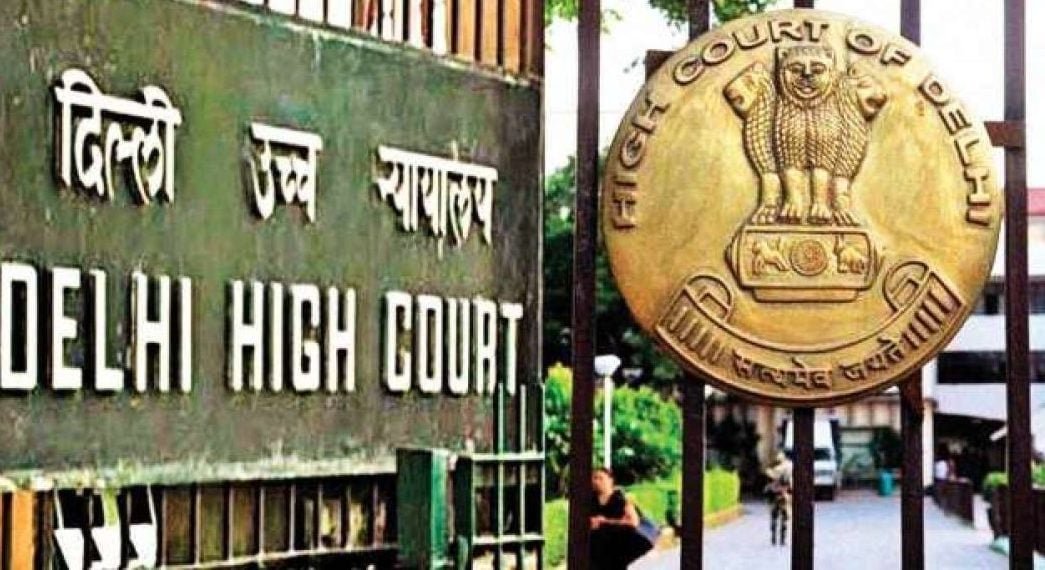
The Delhi High Court has directed railway authorities to strictly enforce established crowd management protocols across all railway stations ahead of major events, festivals, and fairs. Ruling that senior officials must review preparedness at least one week before any event expected to draw heavy passenger footfall, the court warned that negligence in regulating crowds at stations could carry serious consequences for responsible officials.
Strict Enforcement of Crowd Control Protocols
During the hearing, Justice Amit Mahajan observed that while the railways already possess comprehensive guidelines and arrangements for crowd control, merely drafting protocols is not enough and effective ground-level implementation remains paramount. Referring to the February 2025 stampede at New Delhi Railway Station, the court noted that the tragedy underscored the urgent need to enforce safety arrangements on the ground during crowded gatherings.
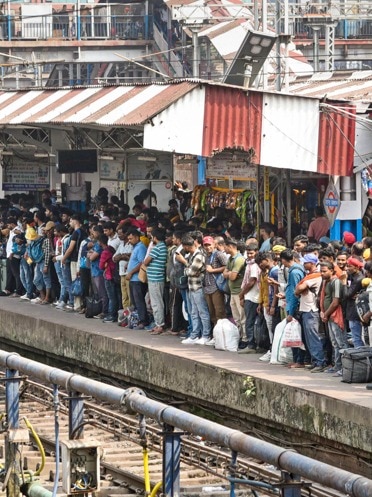
The court highlighted that existing railway protocols include advance planning for festivals and fairs, setting up designated holding areas for passengers, regulating entry and exit points, monitoring crowds through CCTV cameras, and capping the number of waitlisted passengers. These measures are designed to prevent sudden surges inside station premises and ensure the safe movement of travelers.
The High Court specifically instructed railway officials to assess station capacity, projected passenger turnout, and available resources well in advance of large events. A senior officer must conduct a formal review of arrangements at least seven days prior to the scheduled event so that any shortcomings can be identified and rectified in time. The bench also made it clear that concerned railway officials could be held accountable if prescribed safety measures are not followed.
Backdrop of the February 2025 New Delhi Station Stampede
The court’s directives come against the backdrop of the fatal stampede at New Delhi Railway Station in February 2025. On February 15, a massive crowd of passengers had gathered at the station to travel to Prayagraj for the Maha Kumbh. Amid a rush to board Prayagraj-bound trains, heavy congestion built up on platforms 14 and 15, resulting in a stampede that claimed at least 18 lives.
That incident had raised serious questions regarding station crowd management, passenger access to platforms, and additional security arrangements during special events. Taking note of the tragedy in its observations, the High Court stated that crowd control rules will only prove effective if they are properly enforced on the ground both before and during major gatherings.
Holding Areas and Passenger Flow Regulation
Designated holding areas form a crucial component of station crowd management, allowing authorities to accommodate passengers in earmarked zones within the station complex before permitting them onto platforms so that platform capacity is not exceeded. Similarly, regulating entry and exit gates helps maintain orderly passenger movement, while continuous CCTV surveillance enables authorities to detect crowd build-up early.
Limiting the number of waitlisted passengers is also aimed at curbing uncontrolled congestion at stations. When large numbers of travelers converge for a specific destination during major events, pressure mounts around platforms and trains, requiring the railways to maintain close coordination between passenger volume, train operations, and station capacity.
With the High Court’s latest orders, railway administration faces heightened oversight and accountability for passenger safety during major events. The court underscored that genuine adherence to safety protocols plays a decisive role in saving lives, requiring officials not only to review preparations a week in advance but also to ensure that planned measures operate effectively on the ground.