
Follow us on Google News

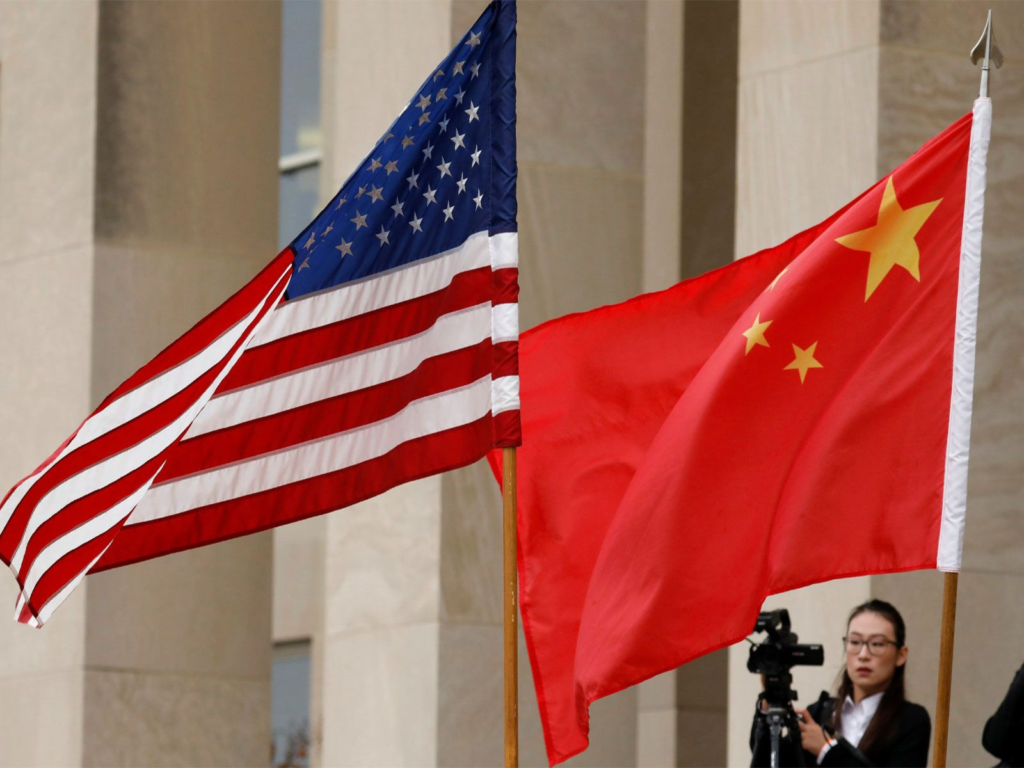
The Trump administration is moving ahead with plans to restrict imports of Chinese equipment used in American data centres, despite strong opposition from some of the country’s biggest technology companies.
Amazon, Google, Meta, Microsoft, Cisco and CoreWeave have raised concerns that the proposed restrictions could severely disrupt the supply of essential components used in artificial intelligence infrastructure.
According to a Reuters investigation published on November 17, US technology executives warned White House officials that replacing Chinese equipment could take as long as a decade.
However, officials have recently indicated that the proposed restrictions remain under consideration and are moving forward. The measure has not yet been finalised and could still be abandoned if the administration changes its position.
The dispute highlights a growing challenge for Washington: reducing dependence on Chinese technology without slowing America’s rapidly expanding AI industry.
FCRF Launches Certified Chief Risk Officer (CRO) Program for India’s Risk Leaders
Why America’s Biggest Technology Companies Are Opposing The Plan
The proposed restrictions are being developed by the US Federal Communications Commission (FCC), which regulates communications infrastructure.
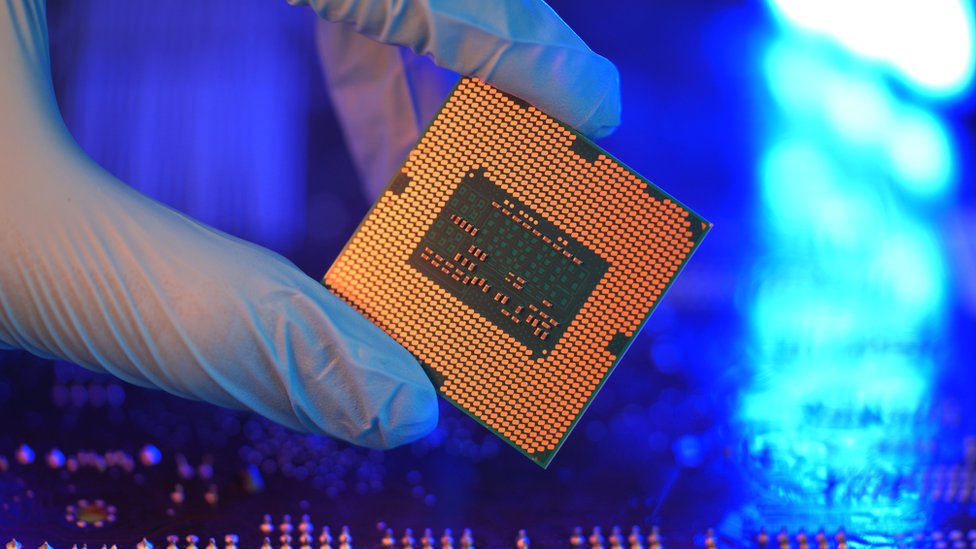
The agency is considering blocking imports of new models of Chinese optical transceivers, small electronic components that help transmit information between servers inside data centres.
American officials fear that equipment supplied by Chinese companies could create national security vulnerabilities, potentially allowing unauthorised access to sensitive information or disruption of critical systems.
However, the companies operating these facilities have warned that finding alternative suppliers would be extremely difficult.
China controls approximately two-thirds of the global optical transceiver market, according to research firm Counterpoint Research.
Chinese manufacturers, including Zhongji Innolight and Eoptolink, supply important components to major American technology companies.
Although US firms such as Coherent and Lumentum manufacture competing products, industry research suggests they currently lack the production capacity to replace Chinese suppliers entirely.
Technology companies have also raised concerns about possible Chinese retaliation. Beijing could restrict exports of indium phosphide, a material used to manufacture optical components.
Such restrictions could further complicate American efforts to establish an independent domestic supply chain.
What Are Optical Transceivers And Why Do Data Centres Need Them?
A data centre is a large facility containing computers and servers that store information and operate online services.
These facilities support everything from banking applications and cloud storage to artificial intelligence tools.
Optical transceivers allow the computers inside these facilities to exchange information through fibre-optic cables.
Put simply, they act like translators. They convert electrical signals from computers into light signals that travel through cables, then convert incoming light signals back into electrical information.
This technology makes it possible to transfer enormous amounts of data at very high speeds.
For AI companies, these components are particularly important because advanced computing systems require thousands of processors to communicate continuously.
Without reliable transceivers, building and operating large AI infrastructure becomes more difficult.
The American restrictions would target new Chinese equipment models rather than automatically require companies to remove every existing device.
National Security Concerns Clash With AI Expansion
Washington’s concerns about Chinese technology are not new.
In August 2026, the administration was already preparing restrictions targeting Chinese optical transceivers. The FCC has also pursued controls on other equipment considered a potential national security risk, including certain Chinese routers and drones.
However, the latest development reveals that opposition from technology companies is broader than previously reported.
Executives from Amazon, Google, Meta, CoreWeave and Cisco joined Microsoft in discussions with White House officials earlier this year.
Despite these objections, people familiar with the discussions told Reuters that the administration was continuing to advance the proposed restrictions.
The Chinese Embassy in Washington criticised the approach, accusing the United States of using national security arguments to unfairly restrict Chinese businesses.
For American technology companies, the consequences could extend beyond equipment purchases.
AI infrastructure depends on specialised components supplied by companies operating across different countries. Replacing established suppliers may increase costs, delay construction and create additional manufacturing challenges.
The dispute also reflects wider tensions between the United States and China over advanced semiconductors, artificial intelligence and control of critical technology supply chains.
The administration must now weigh those security concerns against the economic consequences of disrupting existing suppliers.
Although officials have signalled that the proposal remains active, the government has not announced a final implementation date.
The next crucial development will be whether the FCC formally adopts the restrictions and how much time companies receive to comply.
The proposed restrictions do not directly affect Indian consumers, but prolonged supply disruptions could increase the cost of expanding global AI and cloud infrastructure. Businesses relying on these services should monitor potential changes in pricing and availability.