
Follow us on Google News

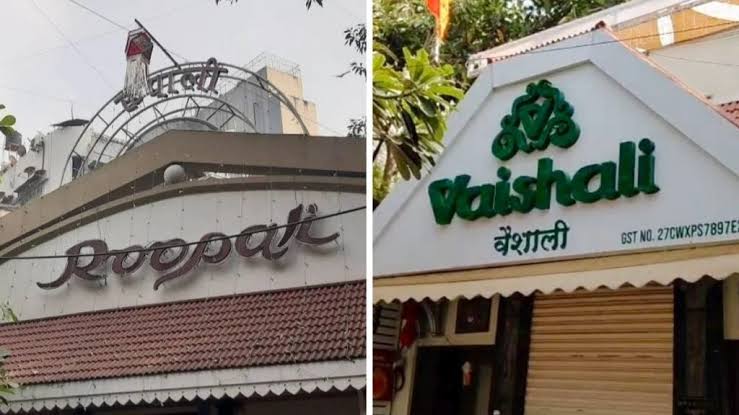
Maharashtra’s Food and Drug Administration (FDA) has suspended the food business licences of two of Pune’s best-known restaurants, Vaishali and Roopali, after inspections uncovered serious deficiencies in kitchen hygiene, food storage and safety procedures.
The restaurants, located on Fergusson College Road, have been prohibited from conducting any food business activities, including dine-in services, takeaway orders and home deliveries.
The action follows inspections conducted on November 13 under the FDA’s Safe Food, Safe Maharashtra campaign. Both establishments must rectify the deficiencies identified by inspectors and obtain written regulatory clearance before resuming operations.
Food Preparation Near Toilets Among Violations Found At Vaishali
FDA officials identified significant shortcomings in the layout and functioning of Vaishali’s kitchen during their inspection.
Freezers containing raw ingredients were located beside the women’s washroom, while equipment used to prepare dosas and uttapams was positioned near the men’s washroom.
Inspectors also found cooked rice, boiled potatoes and other prepared food items stored in an exposed passage. The preparation of idli and dosa batter was taking place in an area without adequate protection from environmental contamination.
The kitchen lacked sufficient working space and appropriate barriers against insects. Officials also observed raw vegetables stored directly above prepared food, creating a potential contamination risk.
Records documenting food storage temperatures and recent drinking water quality tests were unavailable during the inspection.
Vaishali received a score of 58 out of 98 and was classified as non-compliant with the applicable inspection requirements.
The regulator also noted that the restaurant had received an improvement notice following an earlier inspection in June 2026. The discovery of similar deficiencies during the November inspection contributed to the decision to suspend its licence immediately.
The findings concern failures to maintain prescribed safety conditions. Authorities have not reported a confirmed outbreak of foodborne illness associated with the restaurant.
Roopali Faces Action Over Storage, Cleanliness And Missing Records
The FDA’s inspection of Roopali identified several similar deficiencies, particularly concerning its kitchen design, food handling and safety documentation.
Officials found that food preparation areas were insufficiently protected from dust and insects. They also reported stagnant water, inadequate cleaning arrangements and improper waste management.
Ingredients and prepared food were stored without adequate covering, while certain items lacked identification labels and expiry-related information.
Inspectors found insufficient separation between uncooked ingredients and prepared food. Such separation is important because harmful microorganisms can spread from raw products to food that customers consume without further cooking.
The regulator also identified deficiencies in temperature monitoring and mandatory food safety documentation.
These included records relating to the establishment’s food safety management procedures and staff training.
Following the inspection and subsequent proceedings, the FDA suspended Roopali’s licence on November 13.
Both restaurants are popular destinations for students, residents and visitors, particularly for their South Indian dishes and beverages. Their temporary closure has drawn attention to the importance of regulatory compliance even among long-established food businesses.
Restaurant Managements Respond As FDA Requires Fresh Inspections
The managements of both establishments have indicated that they are working to address the regulator’s requirements.
Nikita Shetty, who manages Vaishali, said the restaurant was taking steps to complete the necessary improvements. She maintained that the concerns primarily involved kitchen arrangements rather than the quality of the food served to customers.
Vaishali’s management has expressed hope that the required work can be completed within a short period.
Roopali’s management, meanwhile, questioned the immediate suspension of its licence, saying the restaurant should have been given an opportunity to address the deficiencies before being ordered to close.
Shashindra Shetty, who manages Roopali, said many of the concerns involved documentation and that making certain structural changes to an older building presented practical difficulties.
He nevertheless indicated that the restaurant would work towards meeting the required standards.
The managements’ assessments differ from the regulator’s findings concerning kitchen hygiene and food handling.
Shrikant Karkale, Joint Commissioner responsible for food regulation in Pune, said both establishments would need to demonstrate compliance through fresh inspections before receiving permission to reopen.
The FDA has not announced a definite reopening date for either restaurant.
Food Safety Law Allows Immediate Suspension To Protect Public Health
The regulatory action has been taken under Section 32 of the Food Safety and Standards Act, 2006.
The legislation provides for improvement notices when food businesses fail to comply with prescribed regulations. Continued non-compliance can result in licence suspension and, following the applicable legal procedure, cancellation.
However, the law also empowers designated officers to suspend licences immediately when necessary to protect public health, provided the reasons are formally recorded.
Food businesses holding licences must comply with hygiene requirements prescribed by the Food Safety and Standards Authority of India (FSSAI).
These requirements include maintaining suitable food preparation environments, preventing contamination, monitoring storage conditions and documenting food safety procedures.
The Maharashtra FDA has indicated that inspections of restaurants, clubs and other food establishments will intensify over the coming weeks.
The latest action demonstrates the importance of maintaining food safety compliance continuously rather than treating licensing as a one-time administrative requirement.
For Vaishali and Roopali, the immediate priority is addressing the identified deficiencies and demonstrating that their premises meet the required standards. The decision on reopening will depend on the outcome of further regulatory inspections.
What This Means For You:
Consumers should check whether food establishments maintain valid licences and report serious hygiene concerns through FSSAI’s Food Safety Connect platform or local food safety authorities. Restaurant operators must maintain proper storage, sanitation, pest control and food safety records rather than waiting for regulatory inspections to identify deficiencies.