
Follow us on Google News

The Congress has demanded an investigation by the Competition Commission of India (CCI) into the Uttar Pradesh government’s award of contracts worth ₹17,542 crore for four link expressways, alleging that six construction companies coordinated their bids to divide seven project packages among themselves.
Congress media and publicity department chairman Pawan Khera, addressing a press conference in Lucknow on Friday, questioned the bidding process and the state Cabinet’s decision to approve the contracts despite what he described as indications of cartelisation.
The party has demanded the cancellation of all seven contracts, fresh competitive tenders and a judicial inquiry into the procurement process.
The allegations come as Uttar Pradesh prepares to expand its expressway network ahead of the 2027 Assembly elections. No finding of cartelisation has been announced by the competition regulator, and the allegations remain unproven.
FCRF’s Chief AI Officer Certification Returns on November 14 to Prepare Future AI Leaders
Congress Questions Bidding Pattern Across Seven Construction Packages
Khera alleged that each of the six companies participating in the tender process submitted bids for exactly three packages, with every company ultimately securing at least one contract.
Russian construction company Volgadorstroi reportedly secured two packages, while DRA Infracon, MKC, Afcons, KCC and Apco each secured one.
According to Khera, the distribution of contracts and differences between successful and unsuccessful bids suggest that the companies may have coordinated their participation instead of competing independently.
He alleged that successful bidders generally submitted offers marginally below the government’s estimated project costs, while unsuccessful bidders quoted substantially higher amounts in several packages.
For the second package of the Jewar Link Expressway, Khera said KCC submitted a successful bid approximately 4% below the estimated cost, while MKC quoted 2.16% above the estimate.
In the second Jhansi Link Expressway package, Volgadorstroi reportedly submitted the winning bid at 1.35% below the estimated cost. Afcons and Apco quoted substantially higher amounts.
Congress has argued that these pricing differences warrant independent scrutiny.
However, differences between bid prices can also arise from legitimate commercial considerations, including construction costs, available equipment, geographical expertise and assessments of project risks. Establishing cartelisation would require evidence of coordination among competing companies.
State Cabinet Approved ₹17,542 Crore Expressway Expansion In October
The Uttar Pradesh Cabinet, chaired by Chief Minister Yogi Adityanath, approved the four link expressway projects on October 27, 2026.
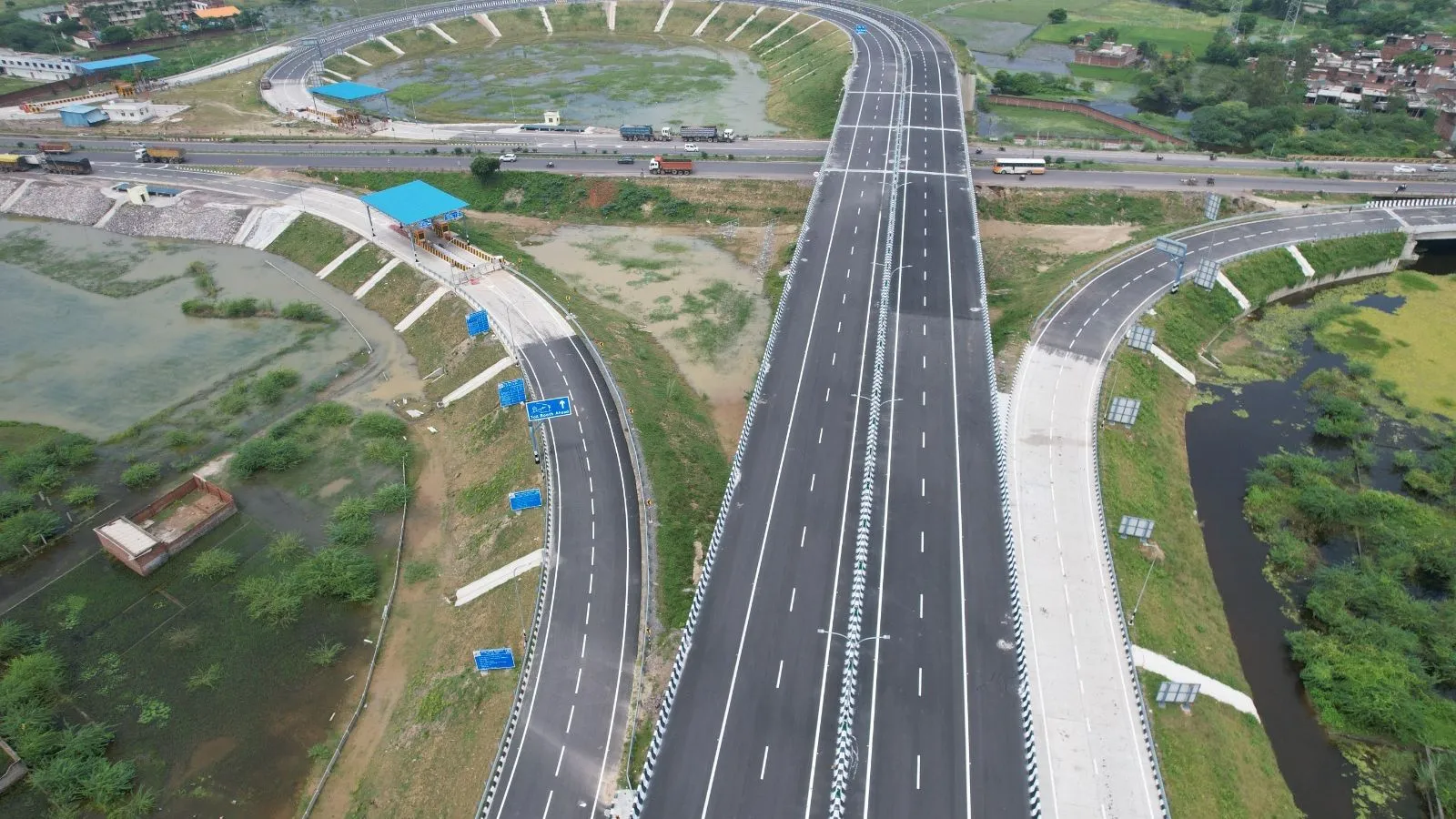
The developments cover approximately 322 kilometres and involve an estimated expenditure of ₹17,542.06 crore.
The projects include the Farrukhabad Link Expressway, Jhansi Link Expressway, Jewar Link Expressway and a corridor connecting the Agra-Lucknow Expressway with the Purvanchal Expressway.
They are intended to improve connectivity across western, central and eastern Uttar Pradesh, including access to the Bundelkhand region and the area surrounding Noida International Airport in Jewar.
State Finance and Parliamentary Affairs Minister Suresh Kumar Khanna had said the projects would be developed by the Uttar Pradesh Expressways Industrial Development Authority (UPEIDA) through the engineering, procurement and construction (EPC) model.
Under this arrangement, contractors undertake project design, procurement and construction, while the government funds the approved expenditure.
The projects are expected to be completed within three years, with contractors responsible for maintenance for five years after completion.
The Cabinet’s approval establishes the scale and funding structure of the infrastructure programme. It does not independently establish whether the tender process was competitive or whether the contracts involved wrongdoing.
What Is Bid Rigging And How Does Competition Law Address It?
Bid rigging occurs when companies that should compete independently coordinate their participation in a tender to influence its outcome.
Such arrangements can involve competitors agreeing beforehand on which company will win a particular contract. Other participants may submit deliberately uncompetitive bids to create the appearance of genuine competition.
Companies may also agree to divide contracts by geography, project category or predetermined rotation.
These practices can increase procurement costs and prevent public authorities from obtaining the most competitive terms.
Section 3 of the Competition Act, 2002, prohibits anti-competitive agreements, including collusive bidding and bid rigging.
The Competition Commission of India can investigate suspected violations and impose penalties where sufficient evidence establishes unlawful coordination.
In June 2022, the CCI issued a final order against seven companies involved in supplying protective tubes to Indian Railways.
Investigators identified evidence of coordination involving prices and tenders, including communications between companies and bids submitted through shared internet protocol addresses.
The regulator imposed financial penalties and issued directions requiring the companies to cease the unlawful conduct.
That investigation illustrates the importance of examining documentary and electronic evidence rather than relying exclusively on similarities in bidding patterns.
Congress Seeks Disclosure Of Tender Records And Contractor Credentials
Khera has also questioned the government’s decision to approve the latest expressway contracts, recalling that the Uttar Pradesh administration had cancelled earlier Purvanchal Expressway bids in 2018 amid concerns about cartelisation.
Congress has demanded disclosure of bank guarantees, electronic bidding records, reasons for disqualifying other applicants and details concerning the eligibility of Volgadorstroi.
The party has also questioned extensions granted during the tender process.
A regulatory examination, if initiated, could assess whether bidding records, communications between participating companies or other evidence indicate an anti-competitive agreement.
The Uttar Pradesh government’s earlier explanation for approving the expressways focused on improving connectivity and supporting economic development.
However, a specific response from the state government, UPEIDA or the six companies to Congress’s latest cartelisation allegations was not available in the reports reviewed.
No formal CCI investigation, cancellation of contracts or judicial inquiry has been confirmed so far.
What This Means For You:
Public procurement involving large amounts of taxpayer money requires transparent bidding, independent oversight and clear disclosure of contract awards. Citizens should distinguish political allegations and demands for investigations from proven corruption or findings of financial loss.