
Follow us on Google News

The appointment of Sunil D’Souza as chairman of Voltas has drawn scrutiny within the Tata group, with questions emerging over the process through which the leadership transition was decided amid continuing differences between Tata Sons and Tata Trusts.
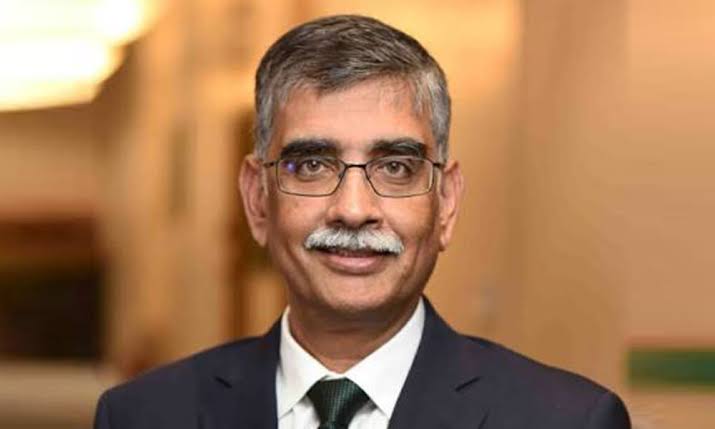
D’Souza, who assumed the chairmanship of Voltas on November 12, also serves as Managing Director and Chief Executive Officer of Tata Consumer Products, where Tata Sons Chairman N Chandrasekaran heads the board.
The appointment could come up for discussion at a senior Tata group meeting, according to people familiar with the matter. The development assumes significance as the conglomerate prepares for its November 26 board meeting, where differences over leadership succession and the proposed listing of Tata Sons remain unresolved.
FCRF’s Chief AI Officer Certification Returns on November 14 to Prepare Future AI Leaders
Voltas Appointment Raises Questions Over Internal Consultation
According to people familiar with the development, Chandrasekaran was reportedly not consulted in advance about D’Souza’s elevation as Voltas chairman.
The matter is particularly significant because Tata Sons holds approximately 29% of Tata Consumer Products, where D’Souza continues to hold the company’s principal executive position.
A meeting of the Tata Consumer Products board to examine the development has not been ruled out. Its Nomination and Remuneration Committee, which oversees matters involving leadership appointments and executive compensation, is also reportedly examining the issue.
The appointment of a serving chief executive of one Tata group company as chairman of another group entity is considered unusual by some people familiar with the conglomerate’s governance practices, particularly without customary consultation at the holding company level.
Tata Sons declined to comment on the matter when approached.
However, there is no confirmed finding that the appointment violated any statutory requirement or corporate governance regulation.
Voltas formally disclosed the decision to the stock exchanges on November 6, following approval by its board. Questions concerning consultation within the wider group are distinct from the company’s documented appointment process.
Noel Tata Retires From Voltas Under Group Governance Rules
D’Souza succeeded Noel Tata, who retired as chairman and director of Voltas at the close of business on November 11.
Noel Tata turned 70 on November 12, reaching the retirement age applicable to non-executive directors under the Tata Group Governance Guidelines adopted by Voltas.
The company subsequently appointed him Chairman Emeritus, recognising his association with the business since 2003.
The board also approved a separate executive leadership transition scheduled for May 2027.
Mukundan Menon C.P., the company’s current Managing Director, will complete his tenure on May 24 next year. Jayant Balan, who heads Voltas’s room air-conditioner business, has been designated as his successor.
Balan’s five-year appointment, beginning May 25, 2027, remains subject to shareholder approval.
These changes establish that Voltas has undertaken a broader succession exercise involving both board-level and executive leadership positions.
The company has not announced any reconsideration of D’Souza’s appointment following the emergence of questions about internal consultation.
Leadership Dispute Between Tata Sons And Tata Trusts Intensifies
The scrutiny surrounding Voltas comes amid a wider disagreement between the leadership of Tata Sons and Tata Trusts.
Tata Sons is the principal holding company of the Tata group, while Tata Trusts holds approximately 66% of its equity.
The two principal issues dividing their leadership concern Chandrasekaran’s continuation as Tata Sons chairman and whether the holding company should pursue a public stock market listing.
At a board meeting on September 17, Tata Sons approved a further five-year term for Chandrasekaran following the completion of his existing tenure in February 2027.
Noel Tata opposed the decision, while Tata Trusts questioned the validity of the reappointment.
The Tata Sons board also decided to initiate steps towards complying with applicable Reserve Bank of India requirements concerning its regulatory classification and listing obligations.
Tata Trusts has opposed a public listing, arguing that alternative restructuring arrangements should be considered to preserve the conglomerate’s existing ownership model.
These disagreements have intensified scrutiny of leadership appointments across Tata group companies.
However, no evidence establishes that D’Souza’s appointment was intended to advance the interests of either side in the dispute.
The November 26 Tata Sons board meeting is expected to provide another opportunity for addressing the unresolved governance questions.
D’Souza Brings Extensive Consumer Industry Experience To Voltas
D’Souza has led Tata Consumer Products since April 2020 and has more than three decades of experience in consumer-facing businesses.
Before joining the Tata group, he served as Managing Director of Whirlpool India, where he helped oversee the company’s business transformation.
He previously spent approximately 15 years with PepsiCo in several senior commercial positions across Asian markets, having begun his career with Hindustan Unilever in 1993.
An engineering graduate from the University of Madras and an alumnus of the Indian Institute of Management Calcutta, D’Souza joined the Voltas board as a non-executive director in May 2026.
His experience in consumer markets could support Voltas’s operations in air conditioners and other consumer durables.
However, his additional responsibilities also bring into focus a broader corporate governance question concerning the allocation of executive time and accountability when senior leaders hold multiple positions.
For shareholders, the immediate issue is whether the companies involved provide sufficient clarity about leadership responsibilities and the procedures governing appointments.
The appointment remains effective, and no formal decision to review or reverse it has been announced.
What This Means For You:
Shareholders should monitor official stock exchange disclosures and board decisions rather than assume internal leadership disagreements invalidate an appointment. Companies with interconnected leadership structures should maintain transparent appointment procedures, clear accountability and appropriate oversight of potential conflicts of interest.