
Follow us on Google News

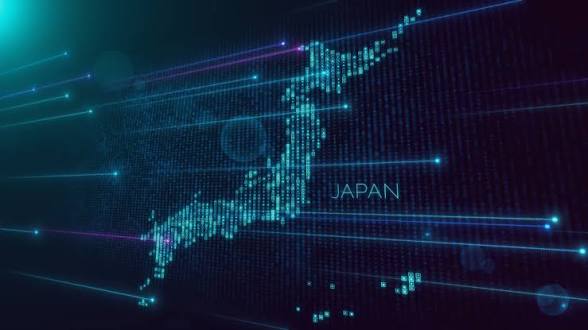
Nearly one-third of Japanese companies have experienced cyberattacks targeting their own systems or external service providers in 2026, according to a corporate survey. The findings have raised concerns over business security as artificial intelligence makes cyberattacks faster, cheaper and increasingly difficult to detect.
How Many Companies Were Affected?
The survey found that approximately one-third of Japanese businesses had encountered cyberattacks affecting either their internal systems or third-party service providers.
Around 10% of respondents reported operational disruptions caused by attacks, while another 22% experienced cyber incidents without significant damage. The findings followed several major customer data breaches that prompted Japan’s government to prepare emergency cybersecurity countermeasures.
The survey was conducted between October 27 and November 6, with 214 companies responding out of 508 contacted.
How Is AI Changing Cybercrime?
Cybersecurity experts have warned that artificial intelligence is increasingly helping criminals automate several stages of cyberattacks. AI-powered tools can identify software vulnerabilities, examine potential weaknesses and generate convincing phishing messages with limited manual effort.
These capabilities allow criminals to conduct attacks more quickly and at lower costs than traditional methods. The growing use of AI has also complicated detection, as automated systems can accelerate malicious activities and increase the volume of attempted intrusions.
For businesses, the findings underline the importance of strengthening security measures against increasingly automated threats.
How Much Are Companies Spending?
The survey indicated that most Japanese companies intend to increase cybersecurity spending.
Approximately 59% of respondents expected a moderate increase in security expenditure, while 3% anticipated a sharp rise. Another 22% expected little change in their cybersecurity budgets.
The findings suggest that businesses increasingly recognise the financial and operational risks associated with cyberattacks.
https://the420.in/fcrf-certified-chief-ai-officer-second-cohort-november-2026/
A manager at a textile company described cybersecurity as a continuing challenge and emphasised the need to invest in stronger protection.
What Security Measures Are Businesses Taking?
Japanese companies have introduced several measures to strengthen their defences against cyber threats. Approximately 63% of surveyed businesses reported improving employee training and introducing stronger anti-phishing measures.
Another 32% strengthened ransomware protection and data backup arrangements, while 22% implemented stricter information management controls. Companies could report multiple security measures, meaning the percentages are not mutually exclusive.
The responses indicate that businesses are focusing on employee awareness, protecting information and improving their ability to recover from attacks.
Why Are Third-Party Systems Vulnerable?
The survey included cyberattacks targeting external service providers, highlighting how organisations can face risks beyond their own networks. Businesses increasingly depend on outside technology providers for operational services, making security incidents affecting those providers a potential concern.
The reported disruptions demonstrate that cyberattacks can interfere with business operations even when the organisation’s own systems are not directly targeted.
What Lies Ahead?
Japan’s corporate sector is preparing for continued cybersecurity challenges as AI-assisted attacks become more sophisticated. The recent customer data breaches have already prompted government efforts to strengthen national cybersecurity responses.
The survey highlights growing corporate investment in prevention, employee training and recovery measures as businesses attempt to limit the damage caused by increasingly automated cyber threats.
About the author — Ayesha Aayat writes on cybercrime, digital safety, and emerging online threats. Her work focuses on public awareness, legal clarity, and technology-driven risks.