
Follow us on Google News

Rajasthan Police have arrested six people in Bihar while investigating a suspected interstate cyber fraud network accused of cheating and blackmailing a 56-year-old woman from Jhalawar who subsequently died by suicide.
The arrests were carried out on November 6, 2026, with assistance from Bihar Police, following a complaint filed by the woman’s family on November 1. Police disclosed details of the investigation on November 11, alleging that the suspects used fraudulent financial offers, threats and manipulated digital material to pressure the victim.
Investigators believe the case is linked to a wider network involved in online extortion and financial fraud. The allegations remain under investigation, and the arrested individuals have not been convicted.
Fake Coin Trading Offer Allegedly Used To Target Victim
According to police, the alleged fraud began with an offer involving the purchase of rare or old coins.
The suspects reportedly contacted the woman and persuaded her that she could receive money through a transaction involving valuable coins.
However, investigators allege that the arrangement was fraudulent and became a means of obtaining money from her.
The suspects are accused of repeatedly demanding payments while using misleading claims to maintain contact with the victim.
When the woman reportedly became concerned about the situation, the alleged fraud escalated into intimidation and blackmail.
Police said the suspects threatened to implicate her son in a serious criminal case.
Investigators believe these threats were intended to frighten the woman and pressure her into complying with further demands.
The case demonstrates how an apparent investment or trading opportunity can develop into a sustained extortion attempt.
Instead of ending after the initial fraudulent payment, criminals may continue contacting victims and invent new reasons to demand additional money.
Fake Police Notices And AI-Generated Material Used For Threats
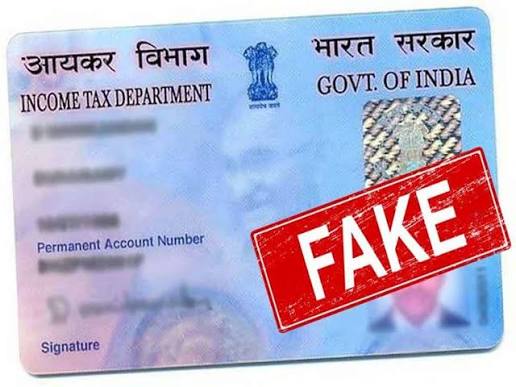
Police allege that the suspects used forged official-looking notices and manipulated digital content to strengthen their threats.
The group reportedly circulated material intended to create the impression that the victim’s family could face police action.
Investigators have also described the use of AI-generated images and videos during the alleged blackmail.
Such material can make fabricated claims appear more convincing, particularly when criminals impersonate police officers or other authorities.
Artificial intelligence tools can produce realistic-looking images, voices and videos that may be difficult for an ordinary user to assess immediately.
However, the presence of manipulated media does not establish that the claims presented in it are genuine.
In this case, police believe the material was used to intimidate the victim rather than communicate any legitimate legal action.
The alleged threats involving her son were particularly significant to the investigation.
Cyber fraud networks frequently attempt to exploit concern for family members by creating false emergencies or threatening criminal consequences.
The accused are suspected of using these tactics alongside repeated financial demands.
Digital Evidence Leads Investigators From Rajasthan To Bihar
The investigation began after the woman’s family approached police in Jhalawar.
Officers examined information from her mobile phone and financial transactions to identify the people allegedly responsible for the communications and payments.
Digital evidence reportedly led investigators to suspects operating from Bihar.
Rajasthan Police coordinated with local authorities and conducted operations that resulted in six arrests on November 6.
The suspects were subsequently brought into the legal process for further investigation.
Police are examining whether the accused were involved in additional fraud cases and whether other individuals helped operate the suspected network.
Investigators are also reviewing financial transactions associated with the accused.
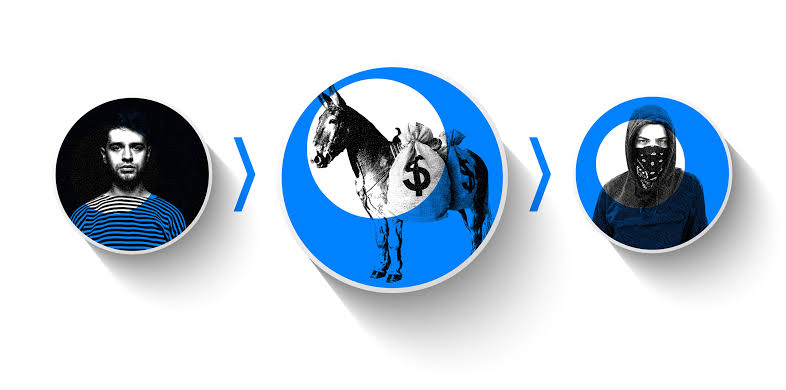
The inquiry has raised concerns about the use of mule bank accounts, which are accounts used to receive and transfer proceeds from suspected fraudulent activities.
Such accounts can make it difficult to identify the individuals ultimately controlling stolen money.
Cross-state investigations present additional challenges because victims, account holders and suspected organisers may be located in different jurisdictions.
The case remains at the investigation stage, and the precise roles of the arrested suspects will need to be established through evidence and judicial proceedings.
What This Means For You
The case highlights the serious harm that can arise when online financial fraud develops into threats and sustained harassment.
People receiving messages that threaten police action, arrest or harm to family members should not assume the claims are genuine simply because the sender provides official-looking documents or convincing videos.
Any claim involving a criminal case should be independently verified through legitimate authorities.
Victims should preserve threatening messages and transaction records, contact their bank immediately if money has been transferred, and report cyber financial fraud through the national helpline 1930 or the National Cyber Crime Reporting Portal.
Families should also take reports of online blackmail seriously and provide support to anyone experiencing intimidation or severe distress.
Fraudsters often depend on fear and isolation to prevent victims from seeking help. Early reporting and trusted support can reduce the pressure created by repeated threats and financial demands.