
Follow us on Google News

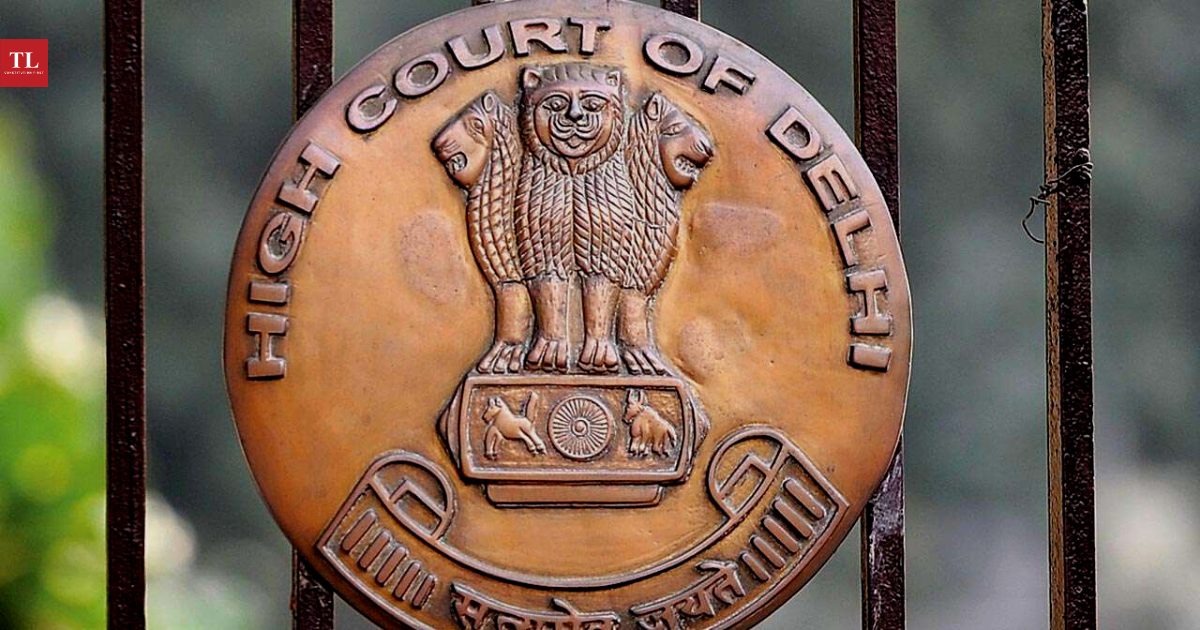
The Delhi High Court has set aside Union Bank of India’s decision to classify the bank account of a company linked to Jai Anmol Ambani, son of industrialist Anil Ambani, as “fraudulent”, holding that the action was taken in clear violation of the principles of natural justice.
Justice Jyoti Singh, while allowing a writ petition filed by Jai Anmol Ambani, held that the bank failed to issue a valid show-cause notice or grant an opportunity of hearing before branding the account as fraudulent. The Court observed that a fraud classification carries serious civil and criminal consequences and therefore cannot be imposed unilaterally.
Notice Sent to Vacated Address
The High Court noted that Union Bank’s own affidavit revealed that the show-cause notice relied upon by the bank was sent to an address that the company had vacated in September 2020.
In such circumstances, the Court held that it could not be presumed that the notice was ever served on the petitioner.
“This Court is of the view that no effective show-cause notice was served prior to the declaration of the account as fraud. Consequently, the impugned classification and declaration are liable to be quashed,” Justice Singh ruled.
Reliance on Supreme Court Precedent
Senior Advocate Rajiv Nayar, appearing for Jai Anmol Ambani, argued that the bank’s action was squarely contrary to the Supreme Court’s landmark ruling in State Bank of India v. Rajesh Agarwal, which mandates that borrowers must be given prior notice, access to material relied upon, and a meaningful opportunity to respond before an account is declared fraudulent.
Accepting the submission, the High Court reiterated that strict adherence to due process is mandatory in fraud classifications, given their cascading impact on criminal liability, regulatory sanctions, and a borrower’s ability to conduct business.
https://the420.in/fcrf-certified-grc-professional-program-governance-risk-compliance-training-india/
Bank Free to Initiate Fresh Proceedings
While quashing the fraud tag, the Court clarified that its order does not prevent Union Bank from initiating fresh proceedings in accordance with law.
The bank has been granted liberty to:
- issue a fresh show-cause notice
- supply all documents and materials relied upon
- provide reasonable time for response
- pass a reasoned order after considering the reply
Justice Singh emphasised that any fresh decision must be preceded by a fair hearing.
CBI Probe and ₹228 Crore Allegation
The case arises from a broader investigation by the Central Bureau of Investigation (CBI) into alleged bank frauds involving Anil Ambani group companies, with total alleged losses estimated at nearly ₹14,853 crore.
Specifically, the CBI has accused Jai Anmol Ambani of causing a loss of approximately ₹228 crore to Union Bank of India. According to the agency, Reliance Home Finance Limited (RHFL)—where Jai Anmol Ambani served as a director—availed loans which allegedly turned into non-performing assets.
A forensic audit is stated to have found that loan proceeds were diverted and misutilised instead of being used for sanctioned purposes.
Bank’s Stand
Union Bank has alleged a wrongful loss of around ₹228.06 crore and, after classifying the account as fraud, lodged a complaint with the CBI alleging criminal conspiracy, cheating and misconduct by the borrower company and its officials.
Significance of the Judgment
Legal experts say the ruling reinforces that banks cannot bypass procedural safeguards while invoking fraud classifications, even in high-value or high-profile cases. The judgment underlines that reputational damage and criminal exposure flowing from a “fraud” tag demand the highest standards of fairness and transparency.
The petition was filed through advocates Rishi Agrawala and Tejasvi Chaudhry of Agarwal Law Associates. The matter is expected to continue as Union Bank evaluates whether to initiate fresh proceedings in compliance with the High Court’s directions.