

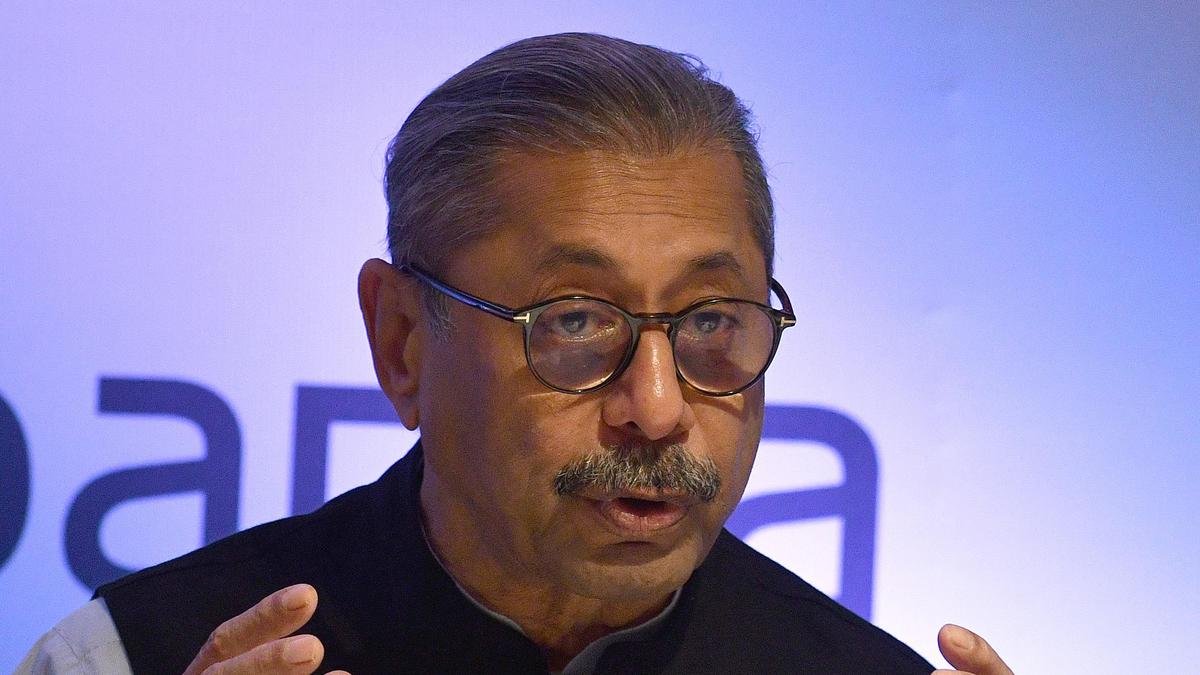

A public-health advocacy group has questioned the inclusion of Medanta Chairman and Managing Director Dr Naresh Trehan on a government committee reviewing pharmaceutical marketing practices, arguing that his commercial association with the healthcare sector could create a potential conflict of interest.
The Working Group on Access to Medicines and Treatments has written to the Department of Pharmaceuticals seeking Trehan’s replacement with a member it considers free of such concerns.
The objection comes days after the Centre constituted a three-member committee to examine whether India’s existing framework is strong enough to curb unethical pharmaceutical marketing.
There has been no finding of wrongdoing against Trehan.
FCRF’s Chief AI Officer Certification Returns on November 14 to Prepare Future AI Leaders
Panel Will Review Pharma Gifts and Marketing Practices
The committee was constituted by the Department of Pharmaceuticals following Supreme Court proceedings concerning pharmaceutical marketing practices.
It is chaired by NITI Aayog member Dr M. Srinivas.
Former Union Health Secretary Preeti Sudan and Trehan are the other members.
The panel has been asked to examine the Uniform Code for Pharmaceutical Marketing Practices, or UCPMP, 2024.
The code regulates how pharmaceutical companies promote medicines and interact with doctors and other healthcare professionals.
It covers issues including gifts, travel, hospitality and other benefits that could potentially influence prescribing decisions.
The committee must assess whether the existing monitoring and enforcement system is effective.
It can also recommend stronger regulatory, statutory or other legal measures.
Its report is due within two months of its first meeting.
Advocacy Group Raises Conflict-of-Interest Concern
The Working Group on Access to Medicines and Treatments said Trehan’s position at Medanta raises questions about whether the committee will be seen as fully independent.
Its concern centres on the fact that large private hospitals regularly interact commercially with pharmaceutical and medical-device companies.
The group argues that a committee examining unethical marketing practices should avoid even the appearance of conflicting financial interests.
It has therefore urged the government to appoint an academic or other domain expert without comparable commercial links.
The group has also called for committee members to make written disclosures of any potential conflicts before participating in the review.
These are demands from the advocacy organisation and have not been accepted by the government.
Group Cites Earlier NPPA Findings
The advocacy group has also referred to a 2018 National Pharmaceutical Pricing Authority examination of hospital bills.
That exercise included Medanta among four hospitals whose billing practices were examined.
The NPPA had flagged substantial mark-ups on medicines and medical consumables in some hospital bills.
The advocacy group argues that those past findings are relevant while considering whether a hospital executive should sit on a panel reviewing pharmaceutical marketing rules.
However, citing earlier regulatory scrutiny does not establish that Trehan personally committed any violation.
The current controversy concerns the composition and perceived independence of the committee, not a fresh enforcement case against Medanta or Trehan.
Why Pharma Marketing Rules Matter
Pharmaceutical marketing can directly affect healthcare spending and treatment choices.
Doctors decide which medicines patients receive.
That gives drug manufacturers a strong commercial incentive to influence prescribing behaviour.
The UCPMP attempts to set boundaries around those relationships.
It restricts certain gifts and promotional benefits and requires pharmaceutical companies to follow standards when marketing medicines.
But critics have long argued that a largely self-regulatory system may not be strong enough.
The Federation of Medical and Sales Representatives’ Associations of India has separately approached the Supreme Court seeking a more enforceable framework.
The petition has focused on whether voluntary industry rules can adequately prevent improper inducements.
The government has previously argued that existing mechanisms can be strengthened through better transparency, disclosures and complaint handling.
Committee Could Recommend Tougher Legal Rules
The newly formed panel has a wider mandate than simply reviewing one code.
It can examine whether current oversight and enforcement arrangements are working and identify gaps.
It can also recommend statutory measures if it concludes that the present framework is inadequate.
That means its findings could eventually affect how pharmaceutical companies interact with doctors, hospitals and other healthcare institutions.
Stronger rules could include more formal disclosure requirements, clearer enforcement procedures or penalties for violations.
No such changes have been approved yet.
The committee must first consult stakeholders and submit its recommendations.
Independence of Review Now Becomes Part of Debate
The controversy over Trehan’s membership adds another question to an already sensitive policy exercise.
The government wants the committee to determine whether relationships between pharmaceutical companies and healthcare professionals are being regulated properly.
The advocacy group argues that the credibility of that exercise depends partly on who conducts it.
The Department of Pharmaceuticals had not announced any change to the panel at the time of the latest reports.
Medanta and Trehan had also not publicly responded to the conflict-of-interest allegation in the reporting available.
The issue will therefore depend on whether the government believes existing safeguards and disclosure requirements are sufficient or decides to alter the committee’s composition.
What this means for you:
The dispute could influence how India writes future rules on pharmaceutical marketing, gifts and promotional practices. The immediate issue is not proven misconduct, but whether the panel reviewing those rules is seen as sufficiently independent.
Follow for daily updates on cybercrime, corporate fraud, DFIR, hacking, investigations, and digital forensics
