
Follow us on Google News

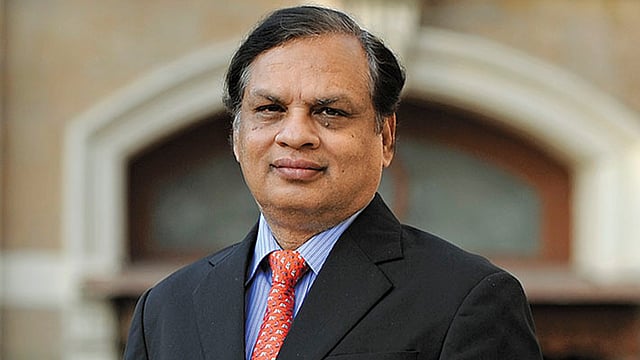
The National Company Law Tribunal bench in Mumbai has declared Venugopal Nandlal Dhoot, former promoter of Videocon Industries, bankrupt following a petition filed by the State Bank of India over outstanding dues amounting to nearly ₹12,668 crore. The order, delivered on Thursday under Section 126 of the Insolvency and Bankruptcy Code, 2016, stems from defaults on personal guarantees extended by Dhoot to secure credit facilities for Videocon Industries and Videocon Telecommunications Limited.
Tribunal Vests Assets With Bankruptcy Trustee Ashish Narayan
A two-member NCLT bench comprising Judicial Member Vinay Goel and Technical Member Charanjeet Singh Gulati held that the petition met all statutory requirements prescribed under Section 123 of the Code. The tribunal appointed Ashish Narayan as the bankruptcy trustee, directing that all assets belonging to Dhoot vest immediately in the trustee. Narayan has been tasked with administering the estate and distributing proceeds among creditors in accordance with the provisions of the law. Under the directions issued by the tribunal, Dhoot must furnish a comprehensive statement of his financial affairs to the trustee within seven days. The trustee will subsequently invite claims from financial creditors and submit a preliminary report within 90 days.
The bankruptcy proceedings trace back to multiple personal guarantees executed by Dhoot to secure term loans and working capital facilities provided to Videocon group companies by SBI and its erstwhile associate banks. Following persistent defaults, the lenders invoked these personal guarantees in February 2018, demanding immediate settlement of the accumulated liabilities. Videocon Industries was subsequently admitted into the corporate insolvency resolution process in June 2018, a proceeding that was later consolidated with the resolution processes of twelve other group entities.
Rejection of ₹600 Crore Repayment Plan Preceded Bankruptcy Plea
SBI initiated separate personal insolvency proceedings against the former promoter to recover the unsettled dues. On April 8, 2026, the NCLT admitted the bank’s plea and directed the commencement of the personal insolvency resolution process against Dhoot. During that process, Dhoot submitted a repayment proposal offering to settle ₹600 crore over a period of 36 months, with funds intended to be generated from a proposed real estate development in Siliguri, West Bengal.
The resolution professional observed critical procedural and structural flaws in the submission. The plan had not been prepared in consultation with the resolution professional, contrary to mandatory statutory requirements under the IBC framework. Furthermore, the repayment schedule was entirely contingent upon future project execution, pending regulatory clearances, and unverified cash flows, without offering any upfront cash component to the lenders. Consequently, the committee of creditors rejected the repayment proposal. On July 17, the tribunal dismissed the plan, closed the personal insolvency resolution process, and granted lenders the liberty to initiate formal bankruptcy proceedings.
Bank Claims ₹12,668 Crore as Personal Guarantee Liabilities Mature
Acting on the tribunal’s clearance, SBI filed the formal bankruptcy application, claiming total outstanding liabilities of ₹12,668.06 crore as of September 30, inclusive of accrued interest and penal charges. The NCLT bench observed that the petition complied fully with statutory norms and was submitted within the prescribed three-month legal limitation window following the termination of the resolution process.
The ruling marks a decisive stage in the recovery efforts pursued by state-run lenders against former promoters who provided personal guarantees for massive corporate borrowings. With the bankruptcy order taking immediate effect, the administration of Dhoot’s personal estate moves under formal statutory oversight to satisfy creditor claims through structured asset realization.