

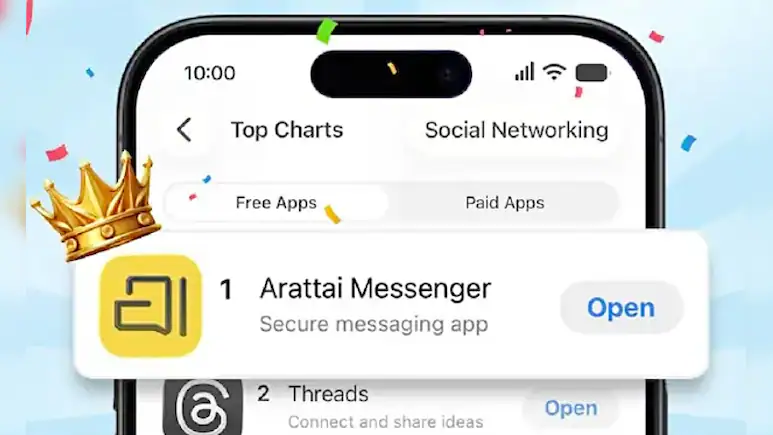
Zoho will remove the username-based account feature from its messaging platform Arattai after the Indian government halted WhatsApp’s proposed username rollout over cybersecurity and fraud concerns. Zoho co-founder Sridhar Vembu confirmed the move on X, saying Arattai would comply with the latest regulatory requirements.
Zoho Confirms Compliance Move
In his social media post, Vembu said Arattai’s username-based account feature would be discontinued in line with the government’s revised regulatory position. He did not specify a timeline for the change but indicated that the platform would make the necessary modifications.
Arattai, Zoho’s messaging and collaboration platform, offers chat, voice calling and video calling services. With the announcement, it has become the first major Indian messaging platform to publicly confirm removal of its username-based identity system following the government’s intervention.
MeitY Paused WhatsApp Feature
The development comes after the Ministry of Electronics and Information Technology directed Meta to pause the rollout of WhatsApp’s username feature in India. The government said the feature should not be launched until consultations are completed and concerns around cybersecurity, online fraud and digital safety are addressed.
WhatsApp had proposed allowing users to communicate through unique usernames instead of sharing mobile numbers. Meta had described the feature as a privacy enhancement, especially for users interacting with new contacts or participating in group conversations.
Fraud and Impersonation Concerns
The Centre raised concerns that username-based identities could be misused by cybercriminals impersonating banks, government agencies, businesses and public figures. Authorities warned that such misuse could increase phishing attacks, investment fraud, digital arrest scams, fake customer support operations and other online frauds.
Reports said MeitY has sought technical details from Meta on the feature’s architecture, safeguards and fraud prevention mechanisms. The company has also been asked to explain compliance with the Information Technology Act, 2000, and the IT Rules, 2021.
WhatsApp has maintained that the feature is currently only in the reservation phase and has not been activated for public messaging. It said verified mobile numbers would remain mandatory for account creation and cited proposed safeguards such as protected usernames for government entities and public figures, lookalike username protection, optional username PINs and limits on unsolicited messages.
