

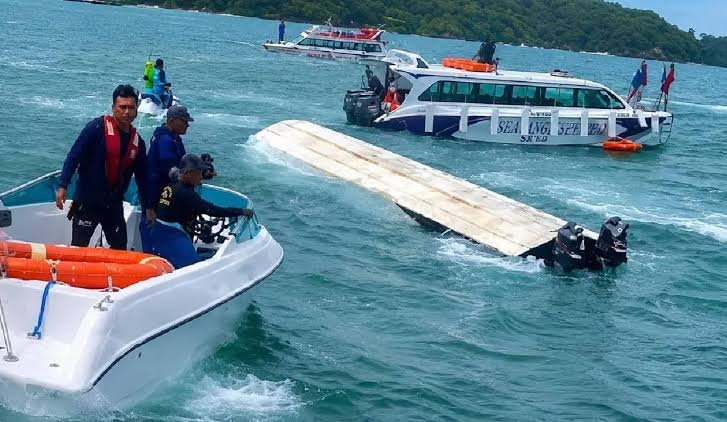

Vietnamese law enforcement authorities have initiated a comprehensive criminal investigation following a devastating speedboat capsizing near Phu Quoc Island that claimed the lives of 15 Indian tourists. In the immediate aftermath of the maritime tragedy, border police detained the vessel’s 57-year-old captain, Nguyen Hong Hai, on suspicion of violating local inland waterway transport safety regulations. The state-led inquiry is actively examining a combination of mechanical logs, environmental data, and crew conduct to determine the exact structural or human failures behind the fatal incident.
The catastrophic event has drawn close coordination between diplomatic channels in Hanoi and New Delhi to handle emergency medical requirements and the logistical challenges of repatriation. While local authorities have stressed that formal criminal liability will not be assigned until forensic teams conclude their technical assessments, the detention of the captain marks a critical first step in establishing legal accountability under Vietnamese maritime law.
Rescue Operations and Passenger Demographics
The ill-fated vessel was navigating coastal waters with 32 Indian tourists and four Vietnamese crew members on board when the emergency unfolded on Saturday afternoon. Having just departed the scenic docks of Hon May Rut Ngoai Island near the larger Phu Quoc transit hub, the speedboat abruptly capsized a mere few minutes into its scheduled journey, overturning roughly 400 to 500 meters away from the baseline shore. Nearby commercial and tourist vessels immediately broke their trajectories to assist the struggling passengers, pulling several survivors from the water before the official Vietnamese coast guard and specialized marine rescue units could arrive to establish a perimeter.
A significant portion of the passenger manifest consisted of corporate employees participating in an international incentive tour organized by the Indian electronics manufacturing corporation Lava International. Following the completed recovery operations, the Embassy of India in Hanoi confirmed that 16 injured survivors received swift medical clearance and were subsequently discharged from regional medical facilities to prepare for their return flights. Conversely, one severely injured passenger remains under intensive care in critical condition at a local hospital, while diplomatic staff manage the sensitive process of repatriating the remains of the deceased through Ho Chi Minh City.
Criminal Investigation and Safety Compliance Reviews
The focus of the Vietnamese judicial police has pivoted entirely toward a forensic reconstruction of the minutes leading up to the vessel’s inversion. Investigators are currently cross-referencing eyewitness testimonies with physical evidence to ascertain whether the speedboat complied with strict passenger capacity thresholds and if adequate lifesaving flotation gear was accessible to those trapped inside the cabin. Furthermore, the specialized inquiry is auditing the operational history of the watercraft, including its official registration certifications, routine mechanical maintenance logs, and past safety compliance records.
To ensure absolute transparency throughout the bilateral incident review, local prosecutors are utilizing evidence-based tracking methods to analyze the prevailing weather patterns and tidal currents at the time of departure. The scope of the investigation also covers the navigational decisions executed by Captain Nguyen Hong Hai during the critical moments when the hull initially lost stability. Legal experts indicate that subsequent formal indictments and court proceedings will rely entirely on the digital and physical evidence compiled by marine forensic teams over the coming weeks.
