

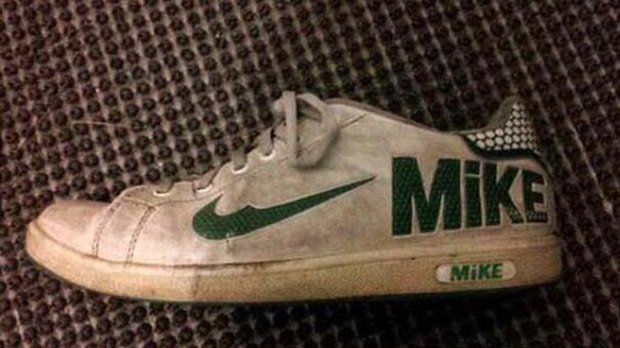
Vietnam has seized nearly 50,000 pairs of suspected counterfeit Nike shoes in one of its largest recent anti-counterfeiting operations, as the country steps up its campaign against trade fraud and fake branded goods. Authorities said the footwear was being prepared for export to the United States. The raid was carried out at a factory in Ho Chi Minh City, where officials recovered a large quantity of shoes and manufacturing materials bearing the Nike, Nike Air, and Air Jordan trademarks. The seized goods are estimated to be worth 100 billion Vietnamese dong (about $3.8 million or approximately ₹33 crore) at current market prices.
Vietnam’s Market Surveillance Agency, under the Ministry of Trade, said the operation was conducted after receiving intelligence from the US Department of Homeland Security. Acting on the information, inspectors raided the factory and discovered what they believe to be a large-scale counterfeit manufacturing operation. In addition to the footwear, officials also seized raw materials, packaging, and branded labels allegedly intended for use in producing counterfeit products.
Preliminary findings indicate that the factory was allegedly using the Nike, Nike Air, and Air Jordan trademarks without authorisation. If confirmed, the case could involve violations of international intellectual property rights as well as the illegal production and export of counterfeit goods.
Authorities have confiscated the seized products and launched a detailed investigation into the factory’s operations, supply chain, and the individuals allegedly involved. Investigators are also working to determine the intended export destinations of the products and identify any manufacturers, exporters, or distributors linked to the suspected counterfeit network.
In recent months, Vietnam has significantly intensified its efforts to combat trade fraud, counterfeit goods, and intellectual property violations. Analysts believe the crackdown has gained momentum as the country faces increasing pressure from the United States to strengthen enforcement against counterfeit products and improve compliance with international trade rules. As trade ties between the two countries continue to expand, intellectual property protection and product authenticity have become increasingly important issues.
Vietnamese authorities have maintained that the crackdown is not solely a response to external pressure but also part of a broader effort to protect the country’s manufacturing reputation and legitimate export sector. Officials noted that counterfeit goods not only deceive consumers but also damage the brand value, reputation, and commercial interests of legitimate businesses.
Trade experts say the growing cross-border trade in counterfeit products has become a major challenge for global supply chains. Leading international brands have repeatedly urged governments and law enforcement agencies to strengthen cooperation in identifying and dismantling counterfeit manufacturing and distribution networks. Such coordinated enforcement actions are considered essential to curbing the illegal trade in fake goods.
Vietnamese authorities are continuing to examine the seized products to determine whether they are indeed counterfeit and to establish the full scale of the alleged operation. Investigators are also trying to identify how long the manufacturing activity had been running, how many people were involved, and whether previous shipments had already reached overseas markets. Depending on the outcome of the investigation, those found responsible could face legal action under Vietnam’s intellectual property, trade fraud, and other applicable laws.
