

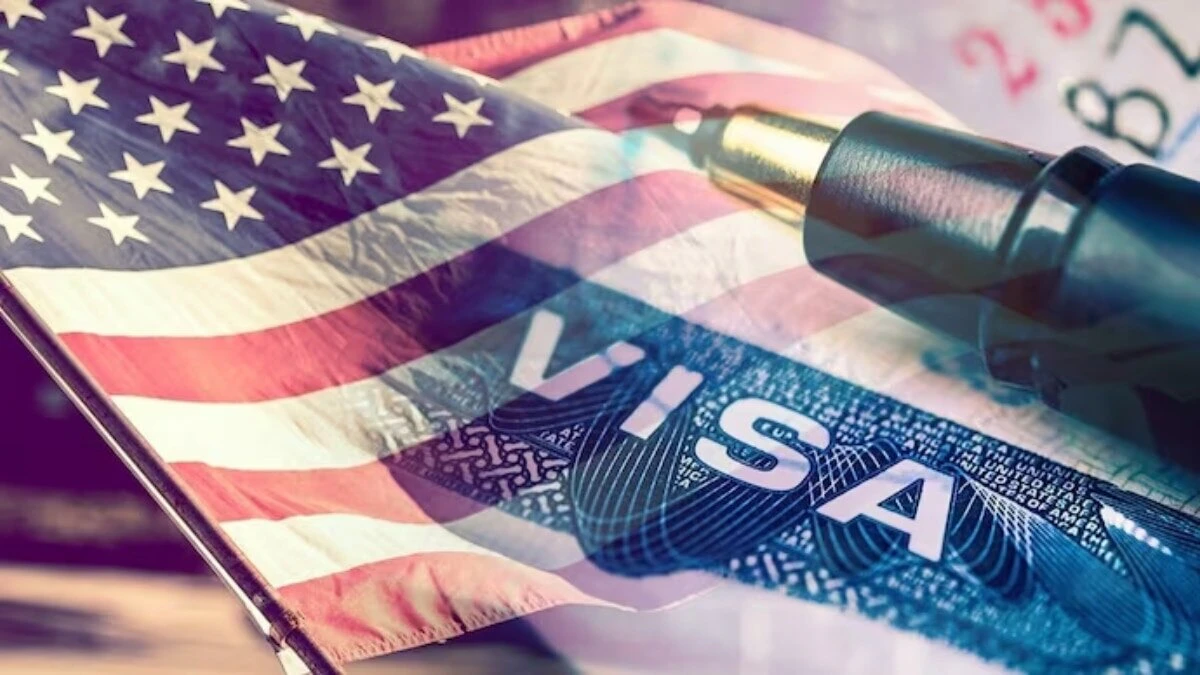
The administration of US President Donald Trump has finalised sweeping changes to visa regulations for foreign students, exchange visitors and foreign journalists, ending a decades-old system that allowed them to remain in the United States for as long as they complied with their programme requirements. The rule, published by the Department of Homeland Security on July 16, is scheduled to take effect on September 15, 2026, and is expected to touch hundreds of thousands of international students, including India’s largest-in-the-world cohort in America.
From Open-Ended Stays to Fixed Deadlines
Under the outgoing system, known as “duration of status,” F (student), J (exchange visitor) and most I (foreign media) visa holders were admitted for as long as they remained enrolled in their programme, without a fixed departure date stamped on their paperwork. The new rule scraps that entirely. F-1 and J-1 holders will now be admitted for a maximum of four years or the length of their specific programme, whichever is shorter, while foreign-language training students face a tighter 24-month cap.
Anyone needing more time will have to file a formal Extension of Stay application with US Citizenship and Immigration Services, complete with biometrics, background checks and fraud screening, a process DHS says shifts oversight “from university staff back to federal authorities.” I-visa holders, largely foreign journalists, will be capped at 240 days, with Chinese nationals limited to just 90 days. The post-study grace period for F-1 students has also been cut from 60 days to 30, giving graduates far less time to change status, begin employment authorisation, or leave the country in an orderly manner.
DHS Secretary Markwayne Mullin said the open-ended system had “compromised national security” for nearly half a century and allowed some students to remain in the country indefinitely by repeatedly re-enrolling in courses. The rule has been classified a “major rule,” meaning it is subject to congressional review, though DHS retains the authority to implement it on schedule unless Congress intervenes.
Why This Matters Disproportionately for India
India is not a peripheral player in this story; it is the central one. According to the Open Doors 2025 report, 3,63,019 Indian students were enrolled in American institutions in 2024-25, a 10 per cent rise from the previous year that made India the single largest source of international students in the US for a second consecutive year, ahead of China. Any added friction in the visa system lands hardest on the country sending the most students.
The timing compounds existing anxiety. The same report recorded a 17 per cent drop in new international enrolments for autumn 2025, with the vast majority of surveyed US institutions citing visa-application concerns and travel restrictions as the reason. Indian graduate applicants, who make up a large share of enrolments in STEM and OPT-linked programmes, are especially exposed to the new institution-transfer restrictions and the shortened grace period, both of which reduce the margin for error after a course changes or a job offer is delayed.
An Uncertain Runway to September
Because the rule is subject to congressional review and likely legal challenge, its final shape is not entirely settled even as the effective date approaches. DHS has built in transition provisions for students already inside the US on duration-of-status admissions, generally allowing them to complete their current programme or remain for up to four additional years under the specific terms of the rule.
Immigration experts and higher-education advocates have already flagged concerns that the added compliance burden, particularly the bar on switching institutions or academic objectives without prior approval, could dent the long-term competitiveness of US universities among Indian applicants. For now, students, universities and consultancies advising aspirants are left watching two clocks simultaneously: the ninety-day window to admission season, and the sixty-day window Congress has to act before the rule takes hold.
