

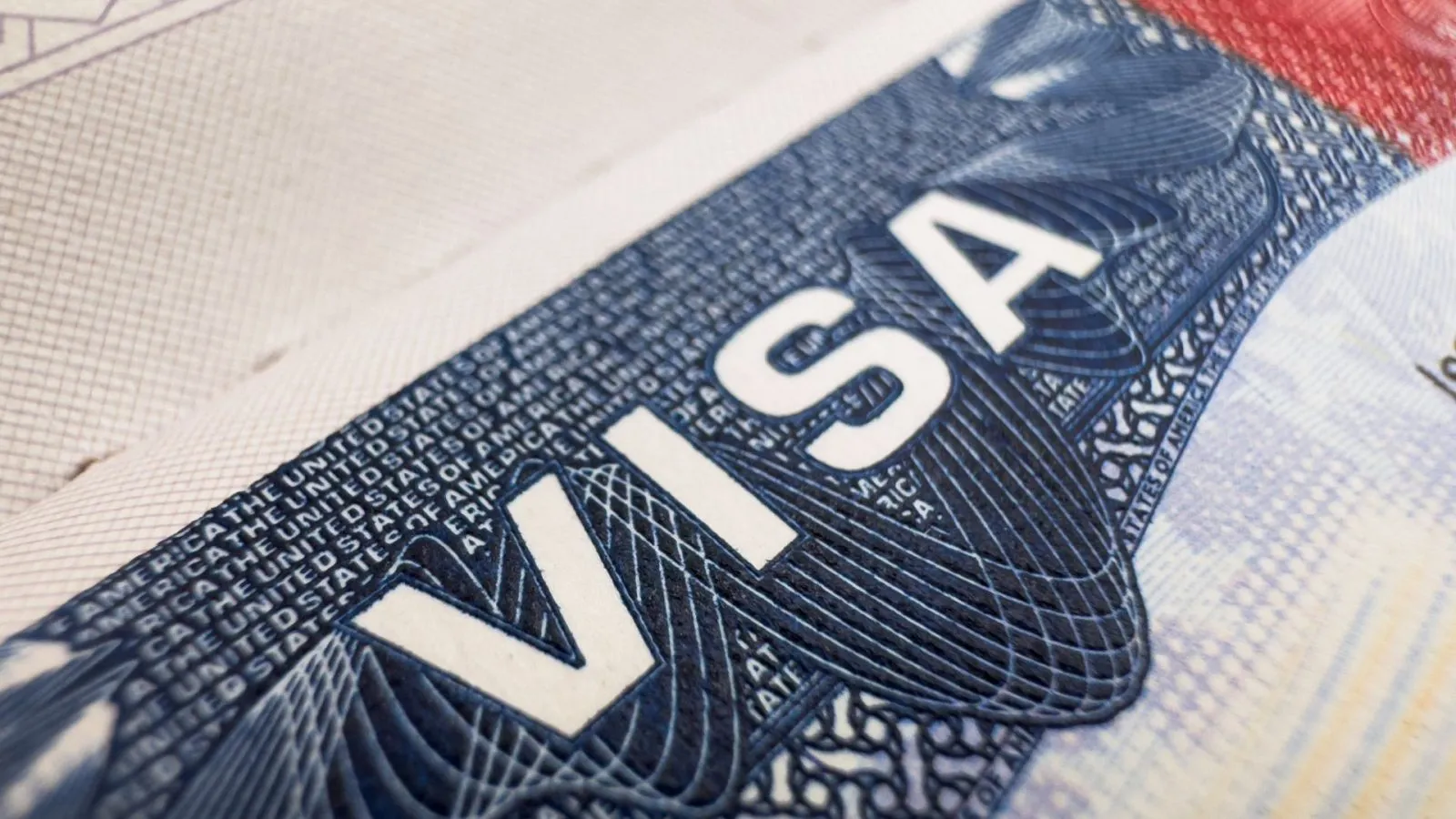

Washington | A fresh controversy has erupted in the United States over visa policies, sparking a sharp debate around Indian professionals. Supporters of Donald Trump aligned with MAGA groups have alleged that after stricter H-1B visa rules, some agencies are promoting the O-1A visa as a “backdoor entry” into the country. The claims have fueled a surge in negative commentary targeting the Indian community across social media platforms.
The row began after a report suggested that certain consultancy firms are advising Indian professionals to opt for the O-1A visa as an alternative pathway to enter the US. The report cited an example of a firm promoting what it called a “Three-Pillar Visa Acquisition System,” marketing O-1A as a way to bypass the uncertainty of the H-1B lottery.
FCRF Launches Premier CISO Certification Amid Rising Demand for Cybersecurity Leadership
On social media platform X, reactions have been intense and polarised. Several users labelled the trend as “fraud,” alleging misuse of a visa meant for individuals with exceptional talent. Others went further, calling for a complete shutdown of visa programs altogether. These reactions have amplified an already growing wave of anti-Indian sentiment in the country.
What is the O-1A visa and why is it under scrutiny?
The O-1A visa is a non-immigrant visa category in the US designed for individuals who demonstrate “extraordinary ability” in fields such as science, education, business, or athletics. Its counterpart, O-1B, applies to individuals in the arts, film, and television industries. Additional categories include O-2 for support staff accompanying O-1 visa holders, and O-3 for their spouses and children.
Experts emphasise that obtaining an O-1A visa is far from easy. Applicants must demonstrate sustained national or international acclaim through stringent criteria such as major awards, published work, or significant contributions to their field. In some cases, recognition equivalent to globally prestigious honours—such as the Nobel Prize—is cited as a benchmark.
Despite these strict requirements, critics argue that some agencies are portraying the visa as an easier alternative, raising concerns about potential misuse. However, there is currently no official confirmation or large-scale evidence proving systematic abuse of the O-1A category.
Shift after H-1B tightening
The debate comes against the backdrop of stricter H-1B visa regulations introduced in 2025. These changes included a significant increase in application fees for new petitioners and a revised selection process that prioritises higher-wage applicants. Additionally, the Department of Labor proposed raising minimum wages for H-1B workers by up to 33% in many cases.
The impact of these measures is already visible. Recent data indicates that the number of Indian students travelling to the US dropped by nearly 50% in 2025 compared to the previous year. Similarly, border crossings by Indian immigrants declined by around 62%, marking the lowest levels in four years.
Concerns over rising anti-Indian sentiment
Analysts believe the controversy goes beyond visa policy and reflects deeper issues of racial and political polarisation. Between 2023 and 2025, online hate targeting Indians and South Asians reportedly surged by over 100%, with discourse increasingly shifting from policy concerns to identity-based narratives.
Cyber and social experts note that complex immigration topics are often oversimplified on social media, leading to misinformation and heightened tensions. In such an environment, fact-based and balanced discussions become crucial to avoid unnecessary panic and division.
For now, the O-1A visa controversy has opened a new front in the broader debate over US immigration policy, the role of Indian professionals, and the country’s evolving socio-political climate—an issue that is likely to remain in focus in the coming months.
