
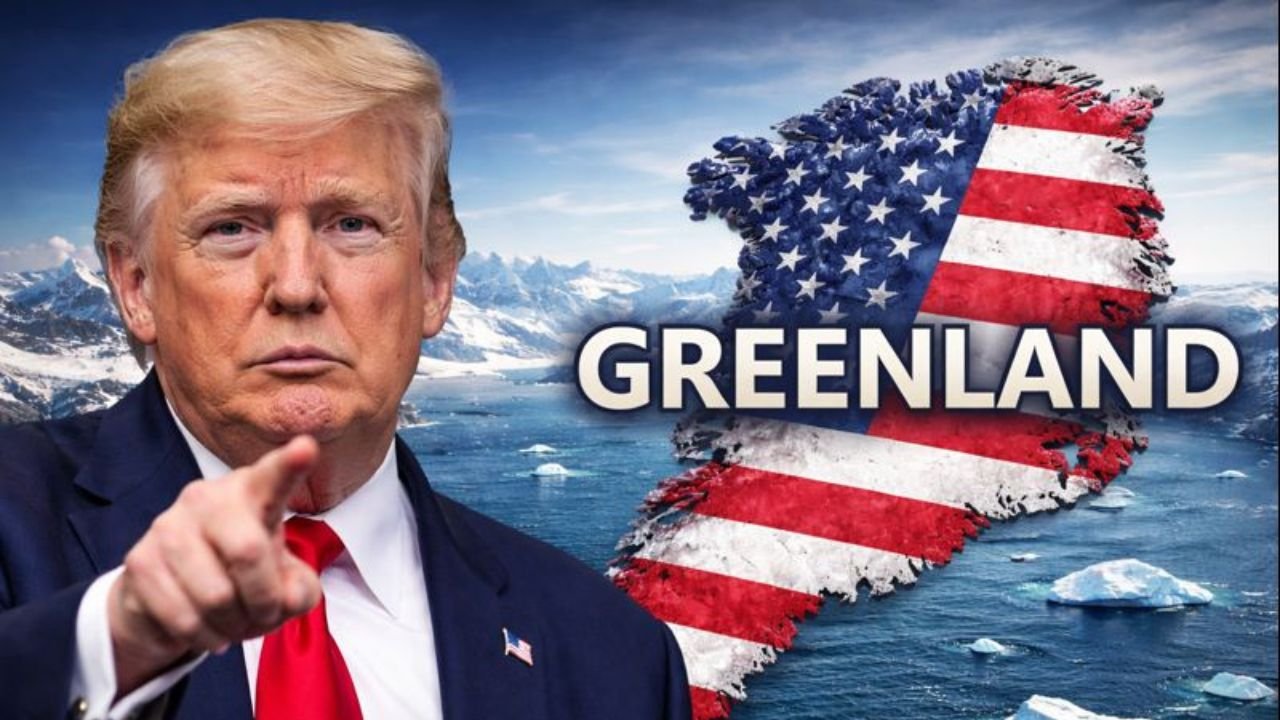
The United States’ strategic interest in Greenland has once again moved to the centre of international politics. A warning to impose tariffs on countries that do not back this approach has sent ripples across global trade and diplomacy. By tying the mineral-rich and strategically located Arctic territory to national security interests, Washington’s latest posture underscores the growing use of economic pressure as a diplomatic tool.
Recent statements have indicated that trade measures could be considered if allied nations fail to align with this initiative. The hardening stance comes at a time when geopolitical competition in the Arctic is intensifying, with major global powers seeking to expand their presence and influence. Analysts point to Greenland’s geography, the rising importance of Arctic sea routes, and access to rare and critical minerals as key drivers behind the renewed focus.
Certified Cyber Crime Investigator Course Launched by Centre for Police Technology
European countries, meanwhile, have in recent days signalled diplomatic support for Denmark and Greenland. Discussions around enhanced military and security cooperation in the strategic Arctic region have also gathered momentum. Europe’s broader objective appears to be preserving regional stability and ensuring that unilateral actions do not undermine existing alliance frameworks.
At the same time, there are indications that diplomatic engagement remains open. The United States, Denmark and Greenland have agreed to establish a working group to hold regular consultations and explore possible pathways forward. Despite this mechanism, early rounds of discussions suggest that fundamental differences persist, highlighting the complexity of the issue and the competing interests at play.
Policy analysts view the tariff warning as a pressure tactic designed to nudge partners toward a more accommodating position at the negotiating table. Similar trade leverage has been signalled in the past on issues such as pharmaceutical pricing, where economic pressure played a role in shaping international negotiations and outcomes. Whether such tactics will prove effective in the Greenland context remains an open question.
The Greenland debate is not merely regional in nature but forms part of a wider global strategic calculus. As Arctic ice continues to recede, new maritime routes are opening up, reshaping trade dynamics and military logistics. At the same time, access to mineral resources and concerns over long-term energy security have added further layers to the discussion.
Diplomatic circles are also weighing the potential impact of such statements on long-standing alliances, including NATO. Maintaining trust among partners and upholding collective decision-making processes are increasingly seen as critical challenges amid shifting rhetoric and competing strategic priorities.
In the coming weeks, the trajectory of this dispute is likely to become clearer through working group meetings and bilateral engagements. Whether economic pressure accelerates dialogue or deepens divisions remains to be seen. For now, the tussle over Greenland offers a telling snapshot of the evolving geopolitical balance in the Arctic and the broader contest for global influence.
About the author – Rehan Khan is a law student and legal journalist with a keen interest in cybercrime, digital fraud, and emerging technology laws. He writes on the intersection of law, cybersecurity, and online safety, focusing on developments that impact individuals and institutions in India.
