
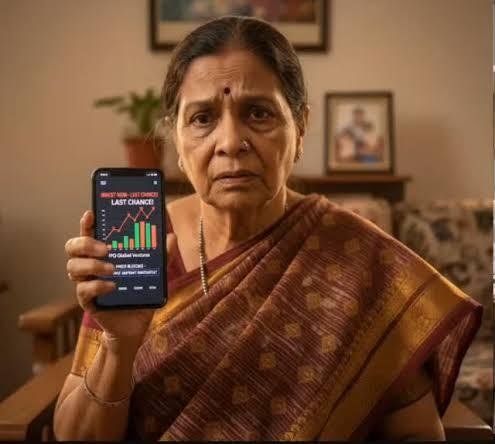
Kanpur: In a shocking case of cyber fraud from Uttar Pradesh’s Kanpur Dehat, scammers targeted the wife of a judge and duped her of ₹39 lakh through a fake investment scheme operated via a WhatsApp trading group. The incident highlights how cybercriminals are increasingly targeting not just common citizens but also individuals from influential backgrounds. A complaint has been filed at the cyber crime police station, and an investigation is currently underway.
FCRF Academy Launches Premier Anti-Money Laundering Certification Program
Victim Added to Fake Trading Group Through WhatsApp Link
According to available information, the incident took place in the Judges Colony area of Mati in Kanpur Dehat, where the victim, wife of an Additional Civil Judge, was drawn into a fraudulent WhatsApp group posing as a stock trading platform. The accused allegedly introduced themselves as professional investment advisors and promised high returns in a short span, gradually gaining her confidence.
In her complaint, the victim stated that on April 6, 2026, she received a link on WhatsApp. Upon clicking it out of curiosity, she was added to a trading group. Members of the group claimed to be experienced market experts and persuaded her with attractive profit projections. Initially, she was asked to invest small amounts and was shown fake “profits,” which strengthened her trust in the scheme.
Fraudsters Used Fake Profits to Push Larger Investments
Subsequently, the fraudsters contacted her through multiple phone numbers and convinced her to invest larger sums. Falling into the trap, she began transferring money in installments from her IDFC First Bank account. The funds were routed into accounts linked to Central Bank of India and Yes Bank. Between April 6 and April 18, she transferred a total amount exceeding ₹39 lakh.
The fraud came to light when the victim attempted to withdraw her invested money but was unable to do so. When she tried contacting the group members and associated numbers, the accused kept delaying responses, citing technical issues. After repeated excuses and no refund, she realized she had been duped.
Police Trace Bank Accounts and Digital Footprints
Following this, the victim filed an online complaint on April 25. Based on her complaint, a case has been registered and an investigation initiated. Authorities are now tracing the accused through bank transactions, mobile numbers, and digital footprints. Preliminary findings suggest the involvement of an organized cyber fraud network that uses messaging platforms like WhatsApp to lure victims into fake investment schemes.
Such scams often follow a pattern, fraudsters first build credibility by showing fake profits and then push victims to invest larger sums. This method is a classic example of “social engineering,” where psychological manipulation is used to influence victims’ decisions.
Renowned cyber crime expert and former IPS officer Prof. Triveni Singh said, “Cyber fraudsters are increasingly targeting individuals through fake investment and trading schemes. They use WhatsApp groups, Telegram channels, and fraudulent apps to build trust before extracting large sums. People must be cautious of any offer that promises unusually high returns in a short time.”
