

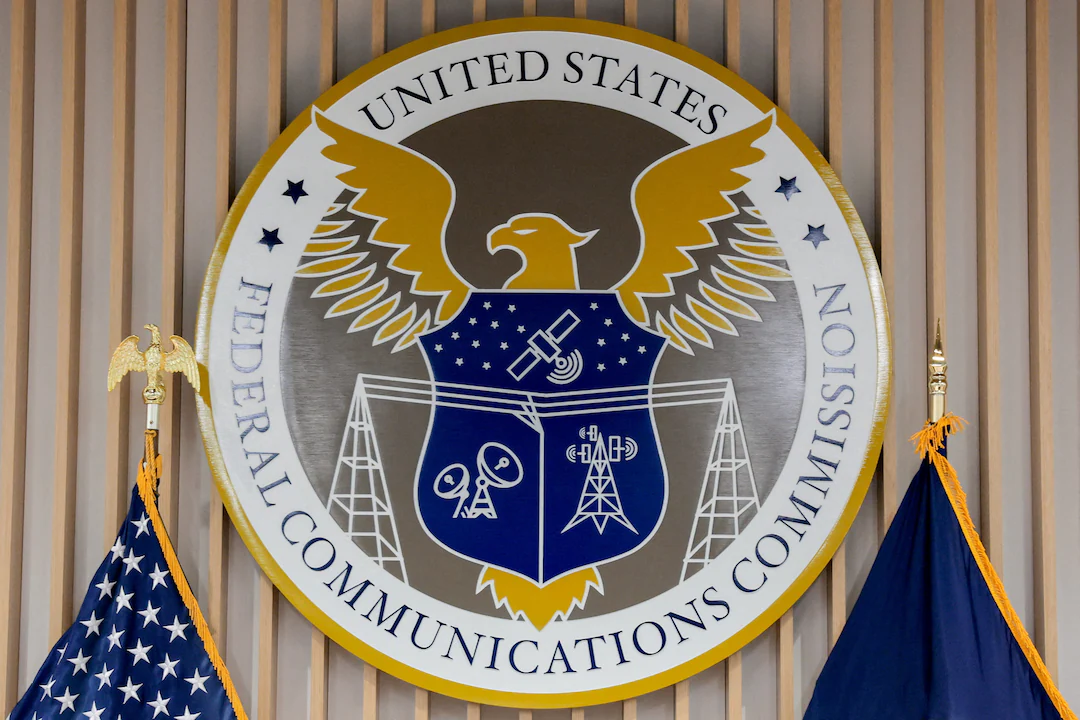

WASHINGTON — The Federal Communications Commission has prohibited the sale of two electronic devices equipped with Chinese surveillance chips, citing potential risks to United States national security. The action bars a vehicle dashboard camera and a wireless video transmitter containing components manufactured by HiSilicon, a semiconductor subsidiary of Chinese telecommunications conglomerate Huawei Technologies. This enforcement marks the first time the communications regulator has exercised its powers under recently introduced rules restricting devices that incorporate critical hardware from Chinese firms designated as national security threats.
Surveillance Features Prompt Regulator Intervention
The prohibition specifically targets hardware produced by HiSilicon that is designed for surveillance operations. According to the FCC, the chips feature integrated algorithms capable of detecting human faces, aligning with promotional descriptions issued by the manufacturer highlighting their utility in monitoring systems. While facial detection technology is commonly used in commercial and consumer electronics, regulatory officials expressed concern over the deployment of such capabilities within equipment tied to firms on the federal security blacklist.
FCC Chair Brendan Carr stated that video equipment incorporating surveillance semiconductors manufactured by blacklisted entities poses an unacceptable risk to the nation and its citizens. The agency did not publicly release the specific commercial brand names, manufacturer identities, or potential American distribution volumes for the two prohibited items. Representatives for Huawei did not respond to inquiries for comment, while HiSilicon could not be reached.
First Enforcement of Expanded Technology Rules
The decision represents the initial application of regulatory restrictions adopted by the commission in July, which banned the domestic sale of devices containing critical components supplied by Chinese firms identified as security risks. Washington has maintained sustained scrutiny over Chinese telecommunications hardware and connected consumer devices, pointing to vulnerabilities that could facilitate unauthorized data collection, surveillance, or network interference.
Through this ruling, the regulator has broadened its focus beyond primary telecommunications network infrastructure to end-user devices that record, process, and transmit video feeds. Dashboard cameras are standard equipment in commercial and personal vehicles to document traffic conditions, while wireless video transmitters relay continuous feeds between remote cameras and central viewing monitors. The FCC emphasized that while the presence of surveillance-capable silicon does not confirm active espionage, equipment from blacklisted suppliers carries systemic risks that justify direct sales bans.
Pressure Mounts on Connected Device Supply Chains
The sales ban comes during an extended period of tension between Washington and Beijing over semiconductors, network integrity, and strategic hardware production. Huawei has faced extensive limits in the United States for several years due to official concerns regarding its relationship with the Chinese government and the security profile of its equipment, resulting in broad denials of access to American markets and components.
By penalizing devices containing HiSilicon chips, the FCC has demonstrated that secondary equipment manufacturers will face scrutiny for integrating components from restricted parent firms. While the current enforcement is confined solely to the two identified devices, the action sets a regulatory precedent that may force electronics distributors and manufacturers to audit their supply chains for restricted foreign hardware before importing goods into the American market.
Follow for daily updates on cybercrime, corporate fraud, DFIR, hacking, investigations, and digital forensics
