
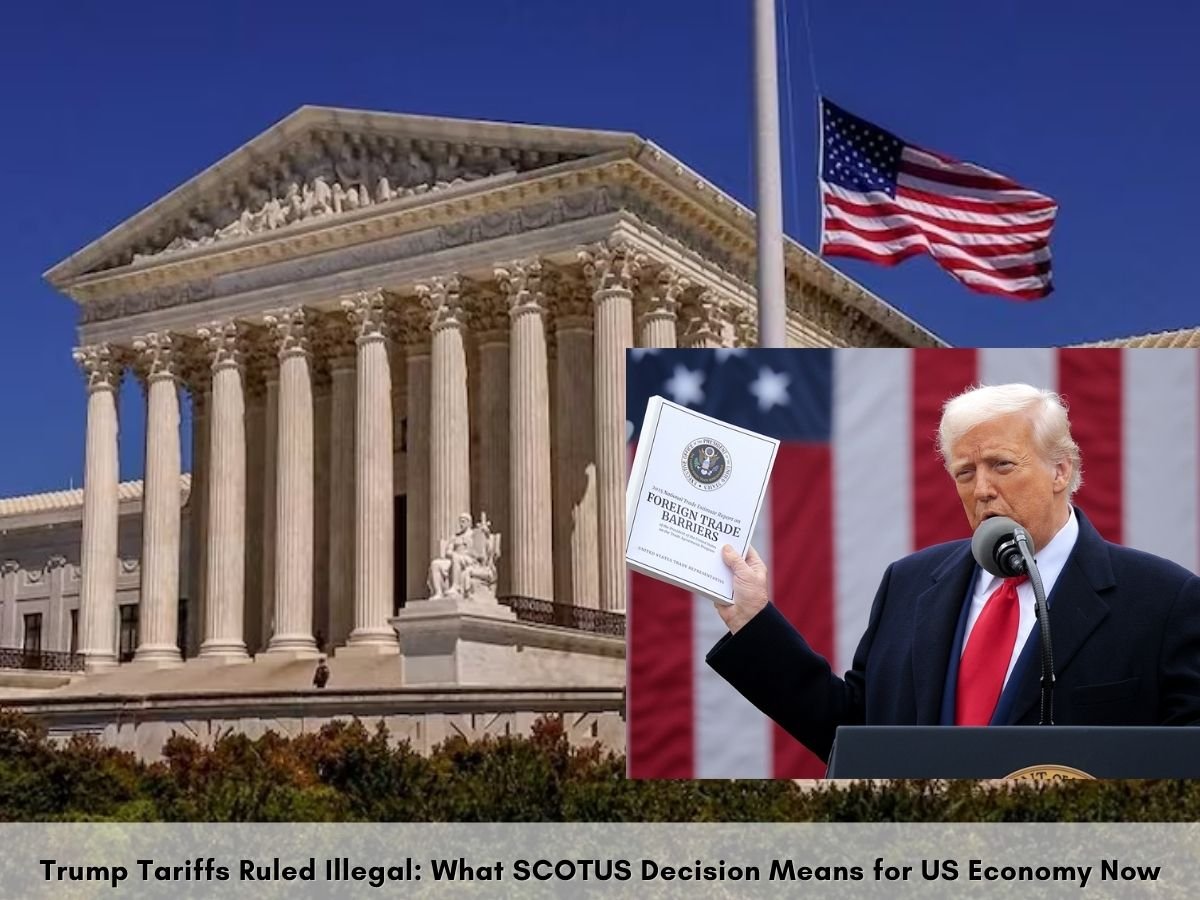
The US Court of International Trade in New York has ruled that former President Donald Trump’s 10 percent global tariffs were illegal, holding that the duties exceeded the authority granted by Congress. The 2 to 1 ruling declared the tariff measures invalid and unauthorised, setting up a likely appeal and renewed debate over presidential power in trade policy.
Court Says Tariff Powers Were Limited
The case centred on temporary 10 percent global tariffs introduced by the Trump administration as part of its trade strategy. The administration had relied on Section 122 of the Trade Act of 1974 after earlier, more aggressive tariff measures had been struck down.
FCRF Academy Launches Premier Anti-Money Laundering Certification Program
The majority opinion held that the President does not have authority to impose broad global tariffs uniformly across multiple countries unless Congress has clearly granted such power. The court said Congress had provided only limited tariff authority under specific conditions.
Split Verdict Highlights Executive Power Debate
The ruling was delivered by a three-judge panel, with two judges forming the majority and one dissenting. The dissenting judge argued that existing legislation gives the executive branch wider discretion in trade-related decisions.
The court noted that the tariffs were temporary and scheduled to expire on July 24, but said the legal process used to impose them remained flawed. It held that policy objectives cannot override statutory limits set by Congress.
Appeal Expected as Trade Policy Faces Scrutiny
The Trump administration is expected to challenge the ruling through an appeal. Officials had argued that the tariffs were necessary to address trade imbalances and protect domestic economic interests.
The decision is expected to influence future trade policy by limiting the executive branch’s ability to impose sweeping tariffs without clear congressional backing. Legal experts say the verdict underscores the importance of legislative boundaries in economic governance and trade regulation.
The case now appears headed toward the appeals process, where a higher court will determine whether the ruling stands. Until then, the judgment remains a significant judicial check on presidential tariff authority.
