
Follow us on Google News

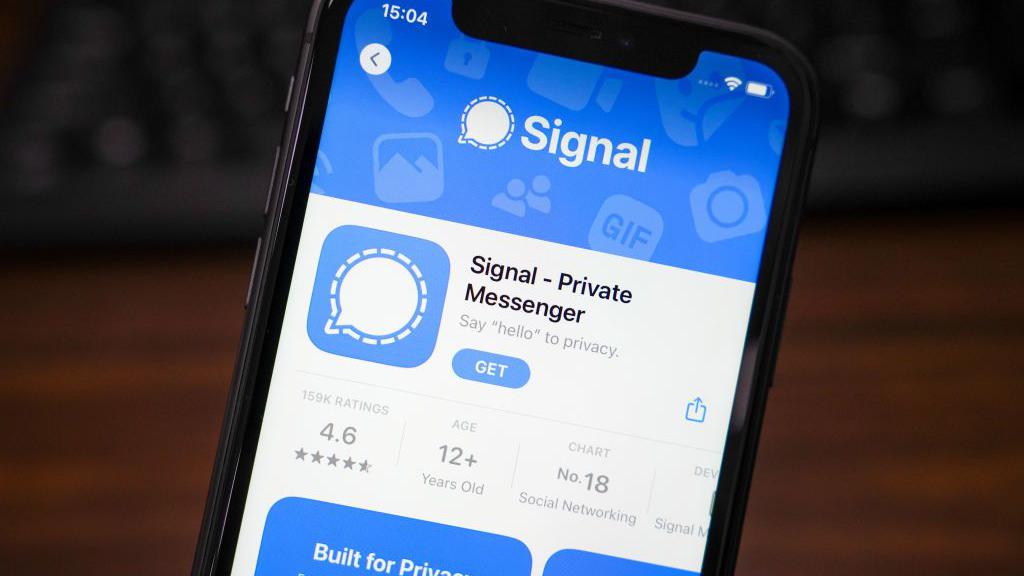
Signal is restricting screenshots to protect private messages from AI agents that can read phone screens and copy chats.
Why Is Signal Restricting Screenshots?
Encrypted messaging platform Signal has announced new screenshot restrictions aimed at preventing artificial intelligence assistants from accessing private conversations on smartphones. The company warned that the increasing integration of AI agents into operating systems could weaken protections offered by privacy-focused applications. Signal described its new safeguards as “incomplete” and called on Apple, Google and Microsoft to provide developers with stronger controls over how AI assistants interact with sensitive application data.
The company also urged technology providers to explain how their AI agents operate, allowing developers to understand which information these systems can access and introduce appropriate safeguards.
How Will the New Protection Work?
Signal is introducing settings that block screenshot access by default to prevent AI assistants from scanning private conversations. Users will receive pop-up notifications offering options to disable the restrictions when screenshot attempts or AI-driven screen access are detected, depending on their devices.
The company previously introduced similar protections against Microsoft’s Recall feature on Windows, preventing the AI system from capturing screenshots of Signal conversations. However, Signal said it could not reliably provide equivalent protection on Apple’s macOS. In a blog post, Signal President Meredith Whittaker warned that AI integrations were fundamentally changing the environment in which secure messaging applications operate.
“This is an existential threat to Signal, and our ability to responsibly uphold our mission,” the company stated.
How Can AI Agents Access Private Messages?
Signal’s concerns follow findings involving Meta’s Muse AI agent, which reportedly accessed Signal conversations on an Apple computer and an Android smartphone using operating-system permissions.
On macOS, Muse reportedly combined accessibility features and screenshot tools to navigate Signal, capture conversations, extract text from screenshots and reproduce messages inside the AI application. An Apple operating system update subsequently closed that particular access route while introducing additional permissions and warnings for AI agents.
Meta maintained that AI assistants require access to computer interfaces to perform tasks for users and said Muse could interact with other applications only through permissions explicitly granted by users. The incident highlighted how operating-system permissions could allow AI systems to retrieve information from applications despite their internal privacy protections.
What Does This Mean for User Privacy?
Signal uses end-to-end encryption and limits information stored on its servers, preventing the service itself from reading users’ conversations. However, AI assistants operating at the device level may access messages after they appear on a screen. Such access could transfer private conversations outside Signal’s encrypted environment and into systems used by AI service providers.
Signal has consequently called for developers to receive straightforward options to exclude their applications from AI-driven data processing, including screen reading, notifications and file-system access. The company identified deeply integrated operating-system capabilities, including Apple’s Siri AI and Google’s Gemini Intelligence, as particular concerns.
The dispute highlights growing tensions between AI assistants designed to automate everyday tasks and messaging platforms seeking to protect confidential communications. Signal maintains that stronger operating-system controls are necessary to preserve user privacy as AI capabilities expand.