
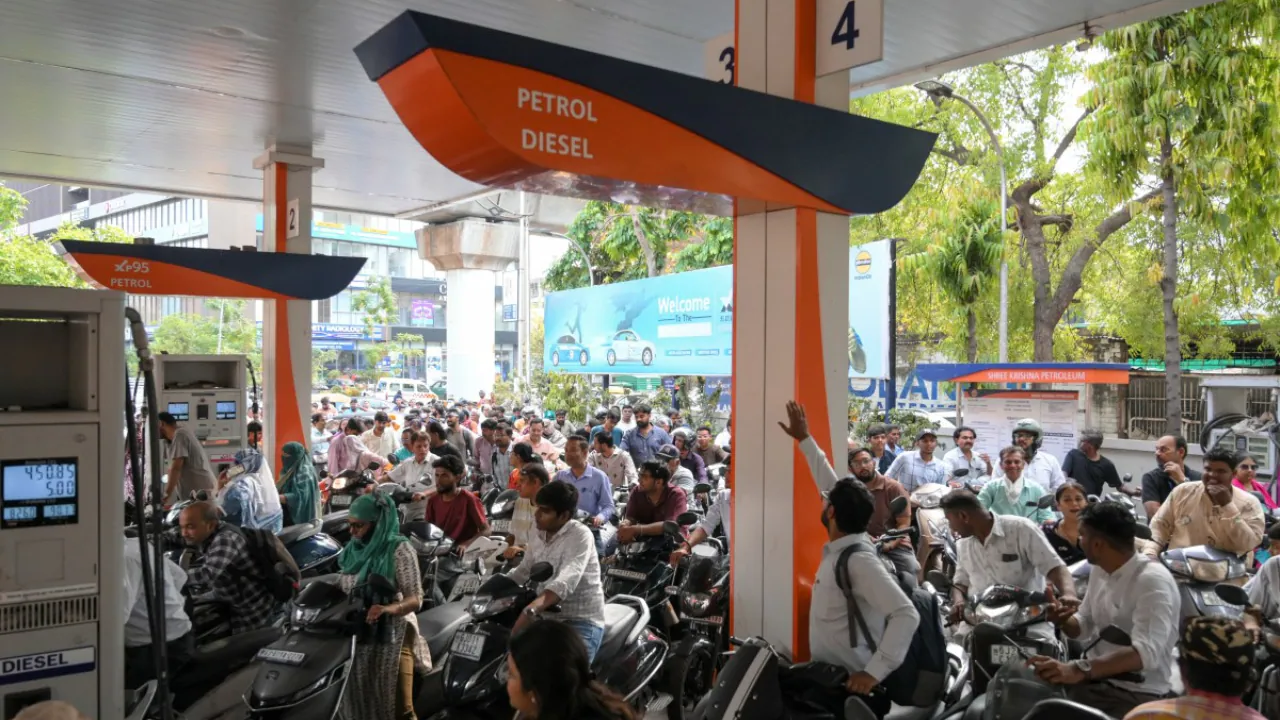
Uttar Pradesh has introduced a comprehensive three-tier surveillance mechanism along its border with Nepal amid growing concerns that the widening price difference in petrol and diesel between the two countries could encourage cross-border fuel smuggling. The move comes as authorities and oil marketing companies seek to prevent illegal diversion of fuel and protect the integrity of the domestic distribution system.
Significantly, Uttar Pradesh shares roughly 579 km of open international border with Nepal. This boundary runs across seven specific districts in the northern Terai region, including Bahraich, Shravasti, Pilibhit, Lakhimpur Kheri, Maharajganj, Siddharthnagar, and Balrampur.
Registration Begins for FutureCrime Summit 2026, India’s Largest Cybercrime Conference
The Lucrative Incentives Driving Demand Distortion
Officials have identified several border districts where fuel consumption patterns are being closely examined for signs of unusual activity. The surveillance initiative combines administrative oversight, field-level enforcement, and technology-driven monitoring to detect suspicious transactions and prevent unauthorized movement of petroleum products across the international border.
According to officials familiar with the exercise, concerns have increased in recent months as fluctuations in fuel prices have created incentives for illegal traders to exploit the price differential. With fuel prices in Nepal substantially higher than in Uttar Pradesh, a strong economic incentive has emerged for cross-border diversion. The impact has become highly visible in frontier blocks, where an unexpected spike in fuel consumption triggered severe dry-outs and long queues. This left local farmers and transporters struggling to secure diesel for routine operations.
The Three-Layer Defense Strategy
The newly implemented system operates on three distinct levels to intercept illegal operations. The first layer focuses on retail fuel outlets, where sales volumes, stock levels, and replenishment records face rigorous tracking. Petrol pump operators are monitoring unusual refuelling patterns, using digital monitoring systems to flag vehicles returning for repeated refills within short intervals.
The second layer involves district-level authorities and enforcement agencies conducting field inspections in border areas. Respective district administrations are carrying out surprise inspections at fuel stations, tracking bulk purchases, and monitoring vehicles frequently travelling into Nepal. Officials share this aggregated information with oil companies to block suspicious trends.
The third and most critical layer lies directly at the international boundary line. The Sashastra Seema Bal (SSB) has intensified patrolling across vulnerable border stretches. Personnel are monitoring vehicular movement and checking transit paths connecting border villages to prevent illegal transport of fuel.
Digital Analytics and Inter-Agency Coordination
Oil marketing companies are playing a key role in the initiative by deploying technology-based monitoring systems. These systems analyse fuel sales, inventory movements, and distribution patterns in real time, allowing authorities to receive alerts when unusual spikes in consumption occur. Advanced data analytics, spearheaded by major public sector lenders and oil managers, help flag potential risk areas and support targeted enforcement efforts.
Sanjay Bhandari, executive director and state head of Indian Oil Corporation, noted that oil companies are increasingly relying on digital transaction data to identify suspicious behavior. Automated systems track vehicle details in real time, making it much harder for smuggling networks to execute low-frequency, multi-trip extractions. This collaborative approach ensures that ground-level information directly populates central database networks, forming a stronger deterrent against economic leakage.
Enforcing Stock Verification and Accountability
Petrol pump dealers in border districts have been advised to remain vigilant and cooperate with enforcement agencies. Authorities have instructed them to report instances in which individuals repeatedly purchase unusually large quantities of fuel without a legitimate commercial explanation. Enhanced stock verification procedures have also been introduced to ensure absolute accountability throughout the supply chain.
Administrative sources noted that border regions have historically remained vulnerable to various forms of smuggling due to differences in prices, taxation structures, and market conditions between neighbouring countries. While senior officials emphasize that Uttar Pradesh is not facing an absolute fuel shortage, the “demand distortion” requires strict structural handling. District magistrates have warned that any outlet found facilitating illegal fuel routing will face immediate license suspension and criminal prosecution under the Essential Commodities Act.
