

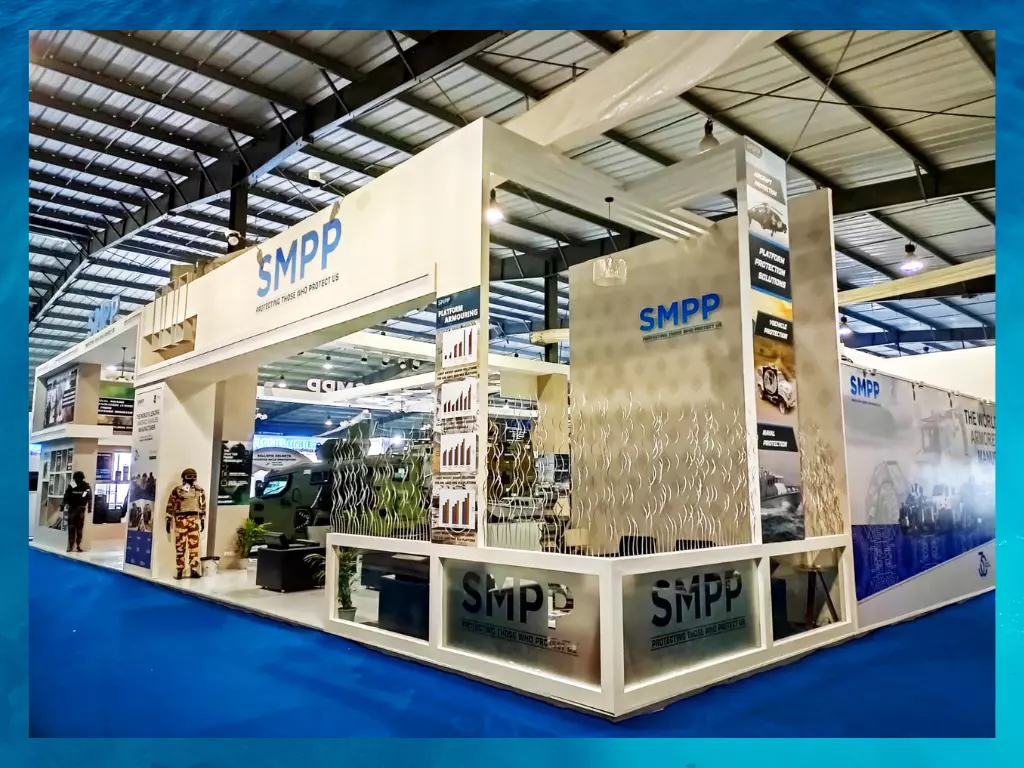

NEW DELHI — Around ten ongoing Indian Army contracts collectively valued at over Rs 2,000 crore have come under official scrutiny after the Central Bureau of Investigation registered a corruption case against defence manufacturer SMPP. The agency filed a First Information Report alleging that the company’s senior management bribed an official of state-owned Munitions India Limited to secure an order worth approximately Rs 500 crore. In response to the development, the Ministry of Defence has initiated a review of the firm’s ongoing procurement engagements, which encompass deliveries of ammunition, loitering munitions, surveillance drones, and personal protective equipment.
Ministry Reviews Existing Agreements and Future Dealings
The registration of the corruption case has triggered regulatory provisions governing business restrictions against defence suppliers named in criminal proceedings. Under procurement guidelines, an entity facing corruption allegations can be barred from fresh bidding rounds, while ongoing deals and pending shortlists may face suspension or cancellation. A specialized departmental committee is likely to evaluate the status of signed contracts that remain partially unfulfilled, balancing legal compliance against military operational demands.
Where agreements have been signed but deliveries have not commenced, departmental secretaries hold the authority to decide whether execution should proceed or be scrapped. In assessing SMPP’s contracts, the ministry will review the physical delivery stage of each consignment, the operational necessity of the materiel, and the wider impact on armed forces preparedness before arriving at an individual determination.
Operational Preparedness and Supply Chain Considerations
The equipment portfolio supplied by SMPP spans several critical categories, including jet-powered kamikaze drones, intelligence-gathering aerial systems, ammunition, and specialized protective gear. Any abrupt termination or suspension of contracts could complicate maintenance protocols and spare parts logistics for systems that are already deployed with field formations.
To prevent disruptions to active military readiness, ministry rules permit authorities to continue acquiring maintenance services and spare components for hardware that has already been delivered and integrated. Government officials must weigh the disciplinary measures required under anti-corruption frameworks against the armed forces’ immediate need to keep frontline inventory fully operational.
Past Scrutiny Over Bulletproof Jacket Sourcing Resurfaces
The fresh CBI inquiry comes after earlier controversies surrounding the company’s past manufacturing arrangements. In 2019, SMPP faced questions over a major order for military bulletproof jackets after reports alleged that Western-made parts were used during initial trials, while subsequent production consignments relied heavily on components imported from China. Although that earlier episode has not been formally linked to the present bribery investigation, it has resurfaced as authorities scrutinize the firm’s compliance record and supply-chain integrity.
The CBI probe remains underway to establish whether additional officials or external intermediaries participated in the suspected Munitions India Limited transaction. Allegations against the company have not yet been adjudicated in court, and SMPP did not immediately respond to requests for comment regarding the matter. The fate of the Rs 2,000-crore contracts rests on the ministry’s final evaluation of regulatory mandates and national defence requirements.
Follow for daily updates on cybercrime, corporate fraud, DFIR, hacking, investigations, and digital forensics
