
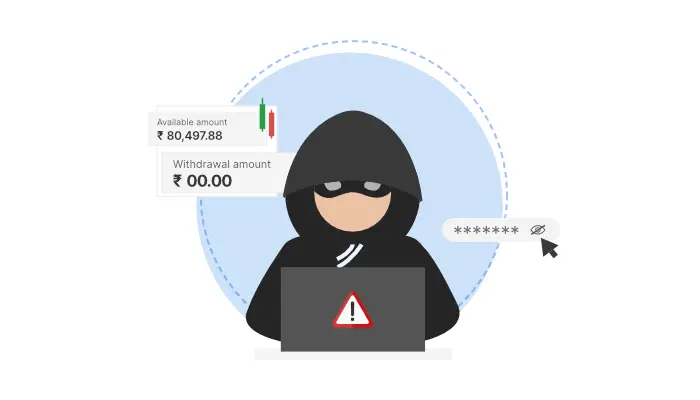
A fresh case of cyber fraud linked to online trading has surfaced in Karnataka’s Udupi district, where a 51-year-old teacher was allegedly duped of ₹11.75 lakh through a well-orchestrated scam. The incident highlights how fraudsters are increasingly using digital platforms and attractive investment promises to gain victims’ trust.
According to the complaint, the victim, a resident of Shivalli, came across a trading-related video on YouTube that promised high returns on investment. Influenced by the claims, she downloaded a mobile application mentioned in the video and began engaging with the platform. Initially, small profits were shown to her to build credibility, after which she was added to a WhatsApp group.
In the group, individuals posing as stock market experts regularly shared trading tips and investment advice. The victim was included in a group named ‘A20 Stock Market Profit Guide,’ where fake profit screenshots and success stories of other members were circulated to create an illusion of legitimacy. During this period, she was sent another link to download an app called ‘SALT Cap.’
FCRF Launches Premier CISO Certification Amid Rising Demand for Cybersecurity Leadership
Fake App Investment: ₹11.75 Lakh Transferred in 9 Days
Following the instructions, the teacher installed the app and provided her KYC details. She was then directed to invest money in a purported trading firm named ‘Saltovo Capital Exclusive Stock Account.’ Trusting the process, she transferred a total of ₹11.75 lakh through multiple transactions between March 6 and March 14.
Initially, the app displayed increasing investment values and profits, which further strengthened her confidence. However, when she attempted to withdraw her funds, she was repeatedly given excuses citing technical issues and additional charges. Despite several attempts, neither the returns nor the principal amount was credited back, raising suspicion of fraud.
Police Case and Ongoing Cyber Fraud Investigation
Realising she had been cheated, the victim approached the cyber crime police station and filed a complaint. A case has been registered under Sections 66 (C) and 66 (D) of the Information Technology Act, along with Section 318(4) of the Bharatiya Nyaya Sanhita. Investigators are now working to trace the individuals behind the scam and track the accounts where the money was transferred.
Expert Warnings on Trading App and WhatsApp Scams
Experts note that in such cases, fraudsters first reach out to potential victims through social media and video platforms, then gradually build trust by adding them to private groups. Fake apps and websites are used to display manipulated investment data, making victims believe their money is safe and growing.
Renowned cyber crime expert and former IPS officer Prof. Triveni Singh said, “Cyber criminals are increasingly using social engineering techniques to psychologically influence victims. They build trust step by step and eventually convince them to invest large sums. By the time the victim realises the fraud, it is often too late.”
He advised people to verify the authenticity of any app or investment platform before transferring money and to avoid blindly trusting trading tips shared on WhatsApp or Telegram groups.
The case once again underlines the growing threat of cyber fraud in the digital age, where even a small lapse in judgment can lead to significant financial losses.
About the author – Ayesha Aayat is a law student and contributor covering cybercrime, online frauds, and digital safety concerns. Her writing aims to raise awareness about evolving cyber threats and legal responses.
