
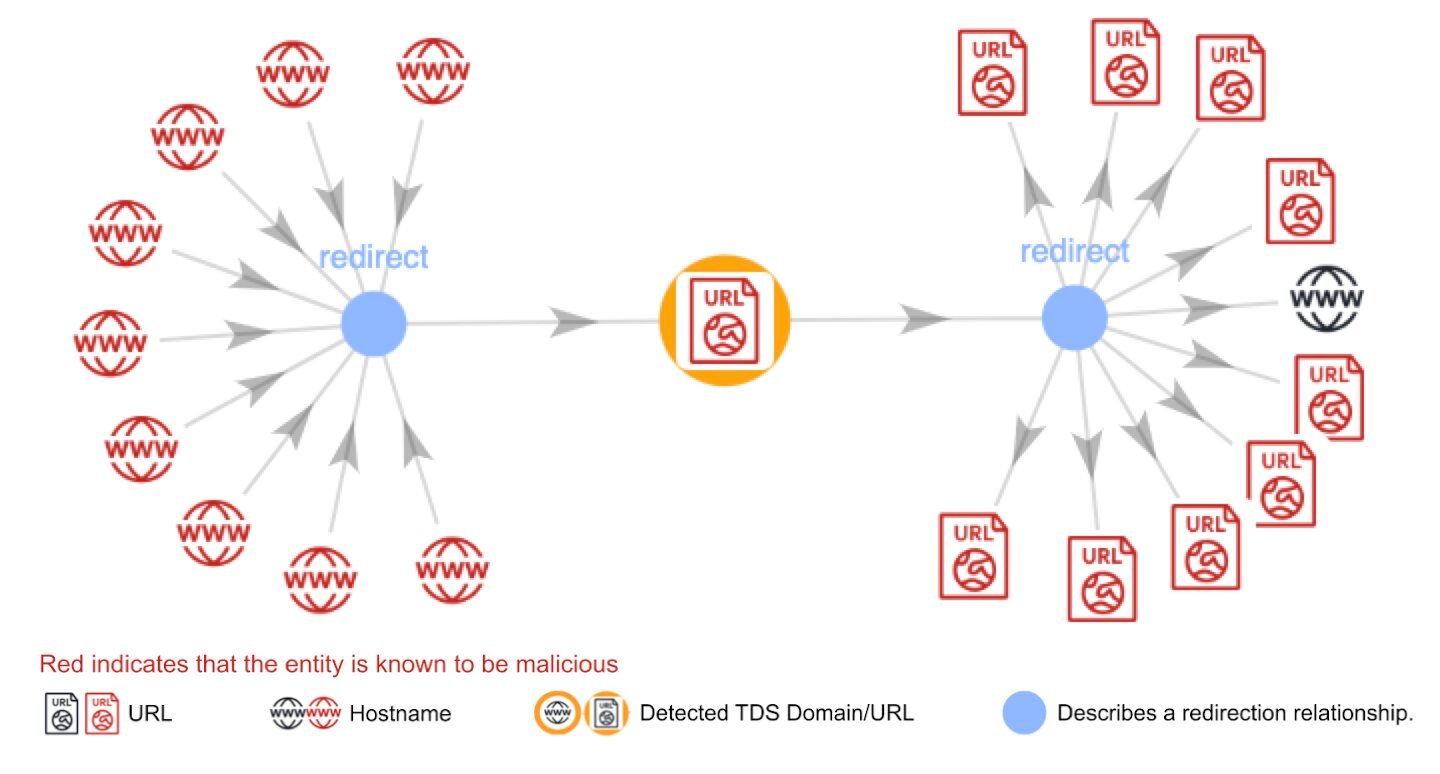
A Traffic Distribution System (TDS) functions as an automated digital traffic management hub. While legitimate businesses utilize this technology to optimize web traffic and route visitors based on geographical or device parameters, cybercriminals have increasingly compromised this infrastructure. By turning it into a specialized screening tool, threat actors can deliver targeted exploits while completely evading automated security filters.
These highly sophisticated routing networks are actively being weaponized to execute complex social engineering campaigns, deliver fraudulent credential harvesting pages, and bypass perimeter security structures to siphon millions of dollars from unsuspecting internet users worldwide.
Registration Begins for FutureCrime Summit 2026, India’s Largest Cybercrime Conference
The Mechanics of Perimeter Redirection
The operational flow of a malicious TDS campaign relies heavily on securing initial user interactions through aggressive digital front-ends. Threat actors utilize a variety of initial access mechanisms, including search engine optimization (SEO) poisoning, deceptive paid advertisements that mimic authentic banking institutions, and targeted phishing emails containing malicious links.
Additionally, cybercriminals frequently compromise legitimate, vulnerable websites by brute-forcing weak administrative credentials or exploiting outdated third-party plugins. Once administrative access is achieved, the attackers modify the website’s core code. When an unsuspecting user visits the compromised page, they are automatically rerouted through the threat actor’s hidden TDS network.
The system utilizes a complex, multi-tiered chain of intermediate server nodes to process the connection. This multi-layered architecture obscures the final malicious destination, allowing the traffic to seamlessly pass through traditional enterprise firewalls that would otherwise flag and block an immediate, direct connection to a known malicious domain.
Target Analysis and Detection Avoidance
A key characteristic of modern TDS networks is their capability to actively analyze and filter incoming traffic before deploying an active payload. When a user is caught in the redirection chain, the system collects their unique IP address, operating system, geolocation data, and browser configurations.
The system relies on a precise set of malicious filtering parameters to manage its targets. For victim selection, it constantly evaluates location, browser profiles, and active operating systems to determine payload effectiveness. To manage defense avoidance, the network automatically identifies and isolates security researcher traffic blocks. Furthermore, it utilizes context filtering to display completely safe, legitimate content to undesired targets, effectively preventing early detection by automated monitoring tools.
This structural interrogation allows the system to determine whether a specific malicious exploit or phishing layout will be effective on the target device. Crucially, the threat network uses this telemetry to identify and filter out unwanted traffic, such as connections originating from cybersecurity firms or law enforcement entities. If the system detects a security researcher or automated scanner, it automatically alters the path to hide its infrastructure.
Downstream Exploitation and Hardening Guidance
For targeted victims who pass through the screening filters, the end of the TDS chain delivers high-velocity cyber risks. Users are typically directed to deceptive cloning panels designed to steal multi-factor authentication (MFA) tokens, financial account portals, or automated malware drops. Investigators note that access credentials obtained through these networks are routinely bundled and sold underground to initial access brokers and ransomware operators.
To protect against these multi-layered redirection threats, organizations must aggressively harden their external assets. Website administrators must ensure all Content Management System (CMS) plugins, themes, and web hosting accounts are routinely audited and protected with strong, unique passwords combined with two-factor authentication.
Furthermore, endpoint protection strategies should be adjusted to change default file associations for execution files, specifically blocking or heavily monitoring suspicious scripting activity like PowerShell and web requests involving unverified JavaScript files. Individual users are strongly advised to verify destination URLs meticulously before engaging with search advertisements and to rely exclusively on official repositories rather than unverified third-party distributions.
