
Follow us on Google News

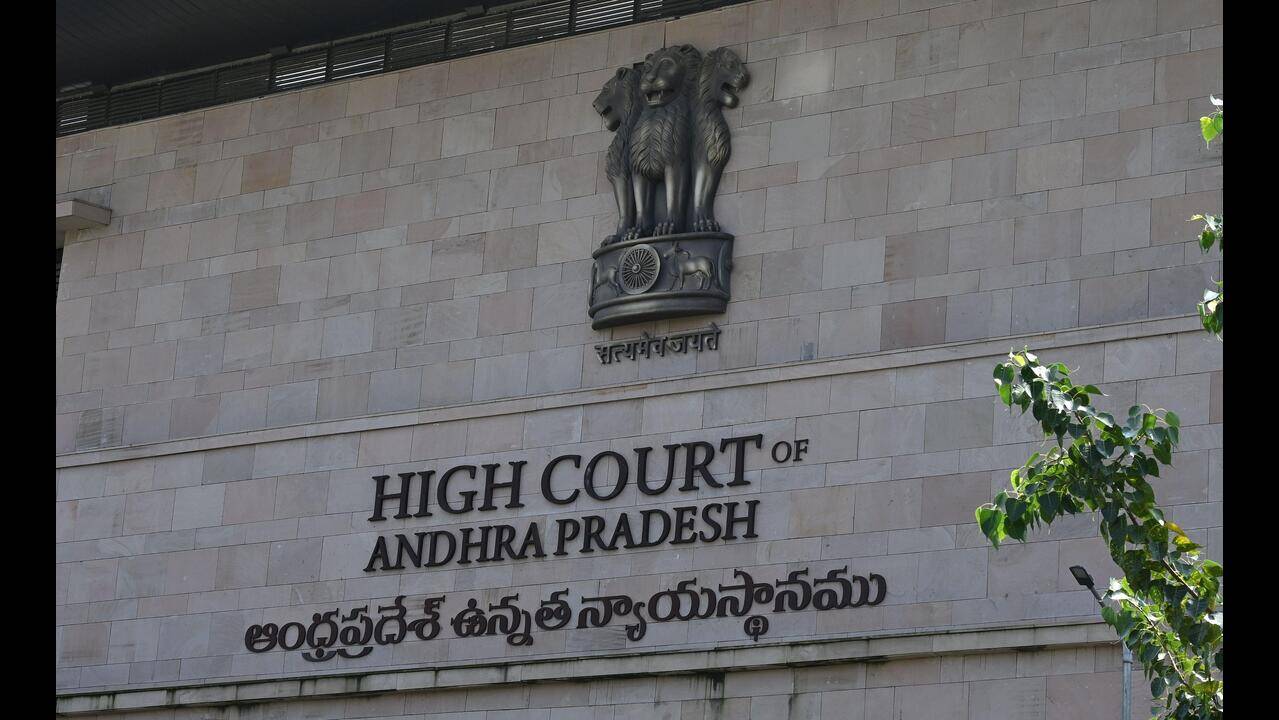
The Andhra Pradesh High Court has ordered an inquiry into alleged violations of National Council for Teacher Education (NCTE) norms by private Bachelor of Education (BEd) colleges across the state. A division bench comprising Chief Justice Lisa Gill and Justice Challa Gunaranjan directed the NCTE, concerned universities, and the state Higher Education Department to examine complaints lodged against these institutions and take action in accordance with the law if rule violations are established. The matter pertains to the availability of mandatory infrastructure as well as qualified teaching and non-teaching staff in private teacher training colleges.
Allegations of Inadequate Infrastructure and Staff
The directive came while the bench was hearing a public interest litigation filed by research scholars S. Amrit Kumar and Gaddala Bharath Simha from Yogi Vemana University. The petitioners alleged that several private BEd colleges in Andhra Pradesh are operating without adhering to mandatory guidelines prescribed by the NCTE. Their plea specifically questioned the functioning of institutions falling under the jurisdiction of Yogi Vemana University, Andhra Kesari University, and Rayalaseema University.
Counsel for the petitioners submitted before the court that many of these colleges do not even possess their own buildings, despite proper infrastructure being a compulsory requirement to run BEd courses. Additionally, the plea alleged a shortage of teachers and non-teaching staff holding the requisite qualifications in several institutions. The petitioners contended that non-compliance with established norms for teacher training institutes compromises the quality of education and undermines the overall training process.
According to the petition, details of these deficiencies were previously brought to the attention of concerned authorities through formal complaints and representations, yet no effective inquiry or corrective action followed. Seeking a joint inspection by the NCTE, relevant universities, and state government officials, the petitioners argued that granting recognition or affiliation solely on the basis of paper documents is insufficient and must be backed by on-ground verification of facilities and staff.
State Government Clarifies Regulatory Roles
During the hearing, Government Pleader Gurram Ramachandra Rao appeared on behalf of the state Higher Education Department and outlined the regulatory framework governing these institutions. He submitted that the primary authority to grant permission and regulate BEd colleges rests with the NCTE, while universities are tasked with granting affiliation after the council accords its approval. He added that universities inspect infrastructural facilities prior to granting affiliation.
The state government further argued that the representations submitted by the petitioners lacked sufficient specific details regarding the alleged violations. Consequently, officials maintained that verifying the relevant facts is necessary before initiating direct action based on the allegations made in the complaints. After hearing arguments from both sides, the High Court instructed the authorities to consider the complaints and take necessary steps once violations are confirmed.
Focus on On-Ground Verification and Training Standards
Following the court order, the NCTE, concerned universities, and the Higher Education Department will be required to examine the issues raised in the complaints. The inquiry is expected to cover aspects such as college buildings, classrooms, laboratories, libraries, other essential facilities, and the availability of qualified faculty. However, the court has not declared any specific college guilty of violating norms, noting that any action must be grounded in facts emerging from the inquiry and applicable rules.
The BEd programme provides essential professional training for aspiring school teachers, and NCTE norms are designed to ensure an adequate academic environment for trainees. Failure to uphold these standards can adversely affect both trainee education and future classroom teaching quality. With the High Court’s intervention, regulatory oversight of private BEd colleges has returned to focus, and the upcoming inquiry will determine the veracity of the allegations and identify institutions requiring corrective or regulatory measures.