

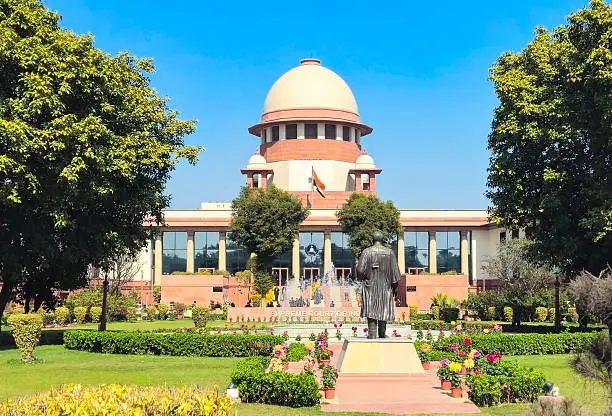
The Supreme Court will examine whether freelance journalists, YouTubers and accredited reporters need different legal protections.
Why Is the Supreme Court Examining Journalists’ Rights?
The issue arose following allegations that Delhi Police detained digital journalists and prevented YouTubers from covering protests against Chief Election Commissioner Gyanesh Kumar because they lacked Press Information Bureau (PIB) accreditation.
Justice Joymalya Bagchi said the court would consider different levels of protection for accredited journalists, media employees, freelancers and influencers without deciding who qualifies as a journalist.
Chief Justice of India Surya Kant cautioned that allowing everyone to claim journalistic status could create difficulties. He also observed that journalists exercise rights under Articles 19(1)(a) and 19(1)(g) of the Constitution.
FCRF Launches CP-FRM to Build India’s Next Generation of Fraud Risk Professionals
What Are Journalists Demanding?
The Delhi Union of Journalists (DUJ) has sought removal of the requirement for PIB accreditation while covering protests, return of allegedly seized equipment and action against officers accused of misconduct. Veteran journalist Paranjoy Guha Thakurta, a co-petitioner, alleged that police detained him despite his PIB accreditation.
The Network of Women in Media, India (NWMI) and the Free Speech Collective have also filed petitions concerning police treatment of journalists.
Who Qualifies as a Journalist?
India has no single legal definition covering every category of journalist. Existing accreditation arrangements distinguish between established media organisations, digital publishers and freelancers. Delhi Police’s October 5 advisory recognised identification issued by journalists’ organisations, PIB and Delhi Information and Publicity accreditation authorities.
Solicitor General Tushar Mehta argued that digital technology had made distinguishing journalists from social media content creators increasingly difficult. He opposed blanket protection against coercive action for all women journalists covering the protests, while acknowledging that nobody should face inappropriate treatment.
What Did the Court Say About Police Action?
The court barred coercive action against a woman journalist booked under the SC/ST (Prevention of Atrocities) Act following a complaint by Assistant Commissioner of Police Vivek Bhagat, whom she had accused of sexual harassment. CJI Surya Kant described the allegations as serious and sought a prompt inquiry.
Senior Advocate Indira Jaising proposed a committee to examine sexual harassment complaints involving women journalists. The court suggested that such a panel should consist predominantly or exclusively of women.
What Happens Next?
The bench heard 46 petitions and issued notices in all of them. It directed law enforcement agencies to preserve CCTV footage and digital evidence connected with the protests. The court also sought responses concerning the October 11 order removing Jantar Mantar as a designated protest site.
Delhi Police Commissioner Anurag Kumar tendered an unconditional apology for any perceived non-compliance with earlier court directions while maintaining that no violation had occurred. Responses from the Centre, Delhi Police and Election Commission remain awaited.
The proceedings raise an important question about how legal protections should apply to journalists working outside traditional newsrooms. The court’s examination could help clarify the relationship between accreditation, professional journalism and the constitutional freedoms exercised by independent reporters and digital news creators.
Follow for daily updates on cybercrime, corporate fraud, DFIR, hacking, investigations, and digital forensics
