
Follow us on Google News

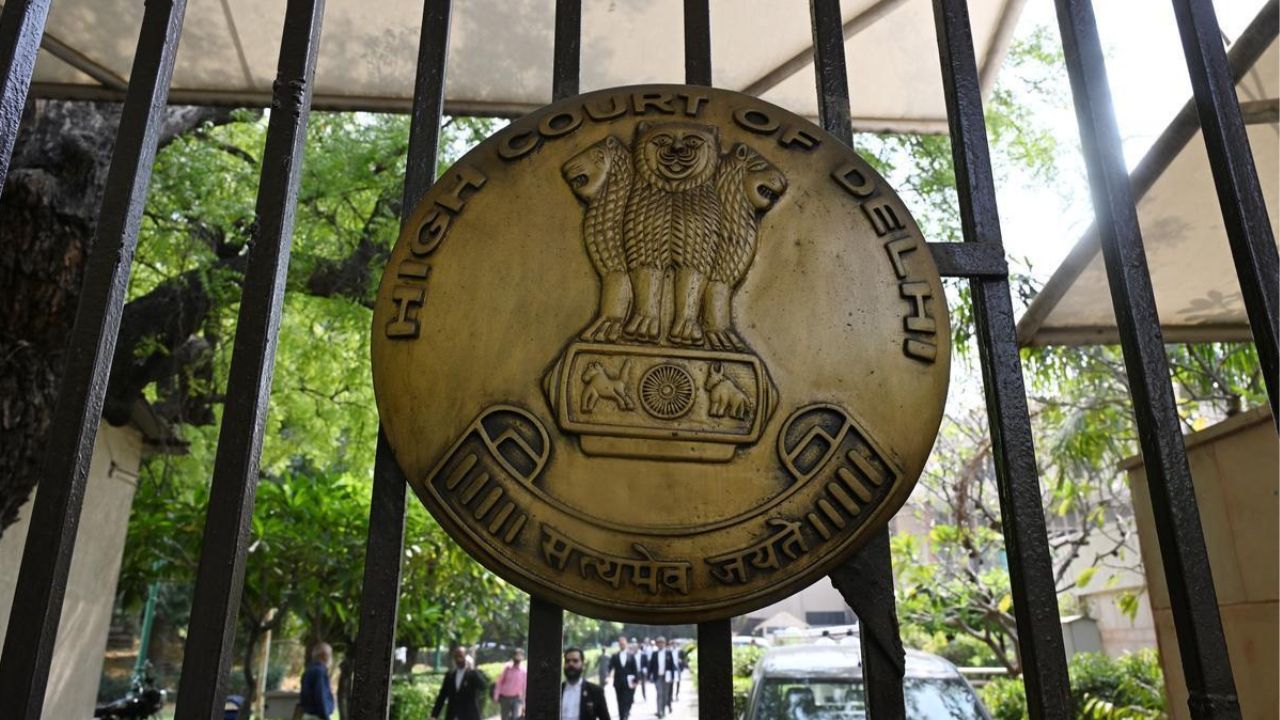
The Delhi High Court has dismissed Unity Small Finance Bank’s appeal against an interim order restraining it from placing a proposal to increase its authorised share capital from ₹4,000 crore to ₹4,900 crore before its Board without the consent of BharatPe’s parent company, Resilient Innovations Private Limited.
A Division Bench of Justice C Hari Shankar and Justice Vinod Kumar held that Unity remained bound by its shareholders’ agreement, which required prior written consent for changes to the bank’s capital structure.
The Court upheld the earlier order passed by a Single Judge, finding no grounds to interfere with the interim restriction.
FCRF’s Chief AI Officer Certification Returns on November 14 to Prepare Future AI Leaders
What Led to the ₹900 Crore Share Capital Dispute?
The dispute arose from a shareholders’ agreement executed in October 2021 between Unity Small Finance Bank, Resilient Innovations and Centrum Financial Services.
Under the agreement, Resilient held a 49% stake in the bank, while Centrum held the remaining 51%.
Certain decisions, including changes to the bank’s capital structure, were classified as Reserved Matters requiring prior written consent from both shareholders.
Unity proposed increasing its authorised share capital by ₹900 crore, from ₹4,000 crore to ₹4,900 crore, to facilitate the conversion of existing warrants into compulsorily convertible preference shares (CCPS).
Resilient opposed the proposal and approached the Delhi High Court under Section 9 of the Arbitration and Conciliation Act.
On July 24, a Single Judge restrained Unity from placing or considering the proposal at its Board meeting scheduled for July 25.
Unity subsequently challenged the injunction before the Division Bench.
Why Did the Delhi High Court Reject Unity Bank’s Arguments?
Unity argued that the proposed increase in authorised share capital was necessary to comply with Reserve Bank of India requirements relating to dilution of shareholding.
The bank also contended that the RBI had directed the deletion of Reserved Matters from its Articles of Association and that the shareholders’ agreement could not override those provisions.
However, the Division Bench rejected the argument that removing Reserved Matters from the Articles of Association extinguished the contractual obligations arising under the shareholders’ agreement.
The Court noted that Unity’s own Board agenda acknowledged that the capital increase required shareholder consent.
It also observed that Unity had sought Resilient’s approval on three occasions between October 2025 and July 2026.
The Bench rejected Unity’s explanation that those requests had been issued inadvertently.
Finding the bank’s position contradictory, the Court held that Unity could not disregard the consent requirements contained in the agreement.
What Does the Ruling Mean for Unity Small Finance Bank?
The Division Bench clarified that the interim injunction did not prevent Unity from conducting Board meetings or complying with RBI directions.
Instead, the restriction required the bank to obtain the necessary contractual consent before placing the disputed capital increase proposal before its Board.
The Court found no reason to interfere with the Single Judge’s discretionary interim order and dismissed Unity’s appeal.
Senior Advocate Mukul Rohatgi appeared for Unity Small Finance Bank, while Senior Advocates Gopal Subramanium and Amit Sibal represented Resilient Innovations.
Senior Advocate Sandeep Sethi appeared for Centrum Financial Services, and Senior Advocate Raj Shekhar Rao represented JBCG Advisory Services.
The ruling leaves the interim restriction in place and reinforces the requirement that Unity comply with the shareholder consent provisions of its agreement before proceeding with the proposed capital restructuring.
About the author — Suvedita Nath is a science student with a growing interest in cybercrime and digital safety. She writes on online activity, cyber threats, and technology-driven risks. Her work focuses on clarity, accuracy, and public awareness.