
Follow us on Google News

India’s Department of Telecommunications (DoT) issued directions to block 129 betting websites based on two purported High Court orders that were later found to be fake, according to a Reuters investigation. The forged documents impersonated the Rajasthan and Allahabad High Courts and prompted government blocking directives in July and September 2026.
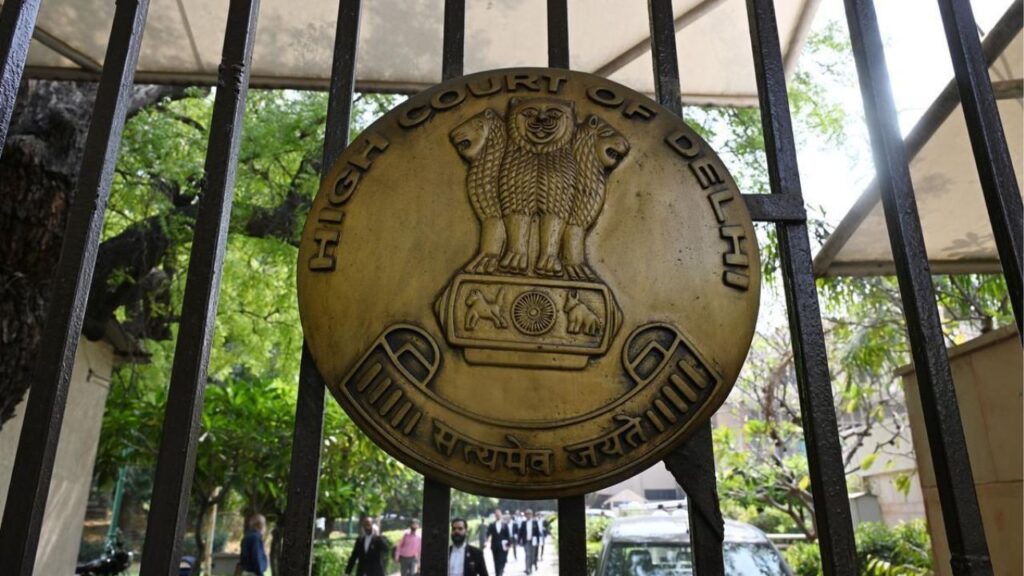
The findings have led to a police investigation after the Allahabad High Court confirmed that an order bearing its name was fabricated. The Rajasthan High Court also informed Reuters that the purported order attributed to it appeared fraudulent and did not exist in its records.
The two documents carried court seals and other features resembling genuine judicial orders. They were submitted to government officials, who subsequently directed internet service providers to block access to the websites.
FCRF’s Chief AI Officer Certification Returns on November 14 to Prepare Future AI Leaders
How Did Fake Court Orders Lead to Website Blocking?
According to Reuters, the Department of Telecommunications issued its first blocking direction on July 21, 2026, following an email received two days earlier containing a purported Rajasthan High Court order.
The email was signed by a person identifying himself as advocate-on-record Aryan Chaudhary. The document instructed authorities to implement its directions within 24 hours and carried what appeared to be an official court seal.
The government subsequently directed internet service providers to block 34 betting websites listed in the document.
A second purported order, bearing the name of the Allahabad High Court, was submitted through an email sent on August 22 by a person identifying himself as advocate Kartikey Pandey.
The document included the court’s logo, seal and a QR code purportedly intended to verify its authenticity.
However, Reuters found that the QR code redirected users to an unrelated webpage displaying a case number rather than an authenticated judicial record.
Following correspondence among government officials, the telecom department issued another direction on September 2, ordering the blocking of 95 additional betting websites.
Together, the two directives covered 129 websites.
Allahabad High Court Confirms Forgery, Police Register Case
Reuters examined the purported judicial orders and found that neither appeared in the respective High Courts’ online registration records.
The Rajasthan High Court’s registrar subsequently confirmed that the order bearing the court’s name appeared fraudulent and was not available on its server.
The Allahabad High Court also identified its purported order as fake after Reuters raised questions about its authenticity.
The document, dated August 14, carried the name of Justice Garima Prashad. However, police records reviewed by Reuters showed that the judge’s office had confirmed that no such order had been issued.
Following the discovery, the Allahabad High Court filed a police complaint on November 6.
Investigators registered a case against unidentified persons over allegations of forgery and cheating.
Senior cybercrime official Ghanshyam Yadav confirmed that the purported Allahabad High Court order was not genuine.
Police said no arrests had been made in connection with the investigation at the time of the report.
Reuters also attempted to contact the individuals whose names appeared on the emails accompanying the documents. An email sent to the address used by Chaudhary was returned as undeliverable, while a query sent to Pandey’s address received no response.
Forged Judicial Documents Raise Questions Over Takedown Verification
The investigation has raised concerns about the verification procedures used before government authorities direct internet service providers to block websites.
Both forged orders remained available on the telecom department’s official website as of November 11, according to Reuters.
The department did not respond to questions from the news agency about the blocking directives or the authenticity of the submitted documents.
Reuters could not establish who created the forged orders or whether artificial intelligence was used in their preparation.
The findings come amid wider concerns about fabricated legal documents being submitted to courts and government authorities.
In a separate case, Elon Musk’s social media platform X recently informed an Indian court that purported police takedown notices targeting two free speech organisations had been found to be fake.
The Supreme Court has also previously expressed concern over fabricated judicial documents, warning that forged court orders and signatures undermine public confidence in the justice system.
The Reuters investigation illustrates how documents falsely presented as judicial directions can enter official administrative processes and result in website-blocking orders.
The police investigation will now seek to identify those responsible for preparing and submitting the forged documents. The available findings do not establish that government officials knowingly acted on fraudulent orders.
About the author — Suvedita Nath is a science student with a growing interest in cybercrime and digital safety. She writes on online activity, cyber threats, and technology-driven risks. Her work focuses on clarity, accuracy, and public awareness.