

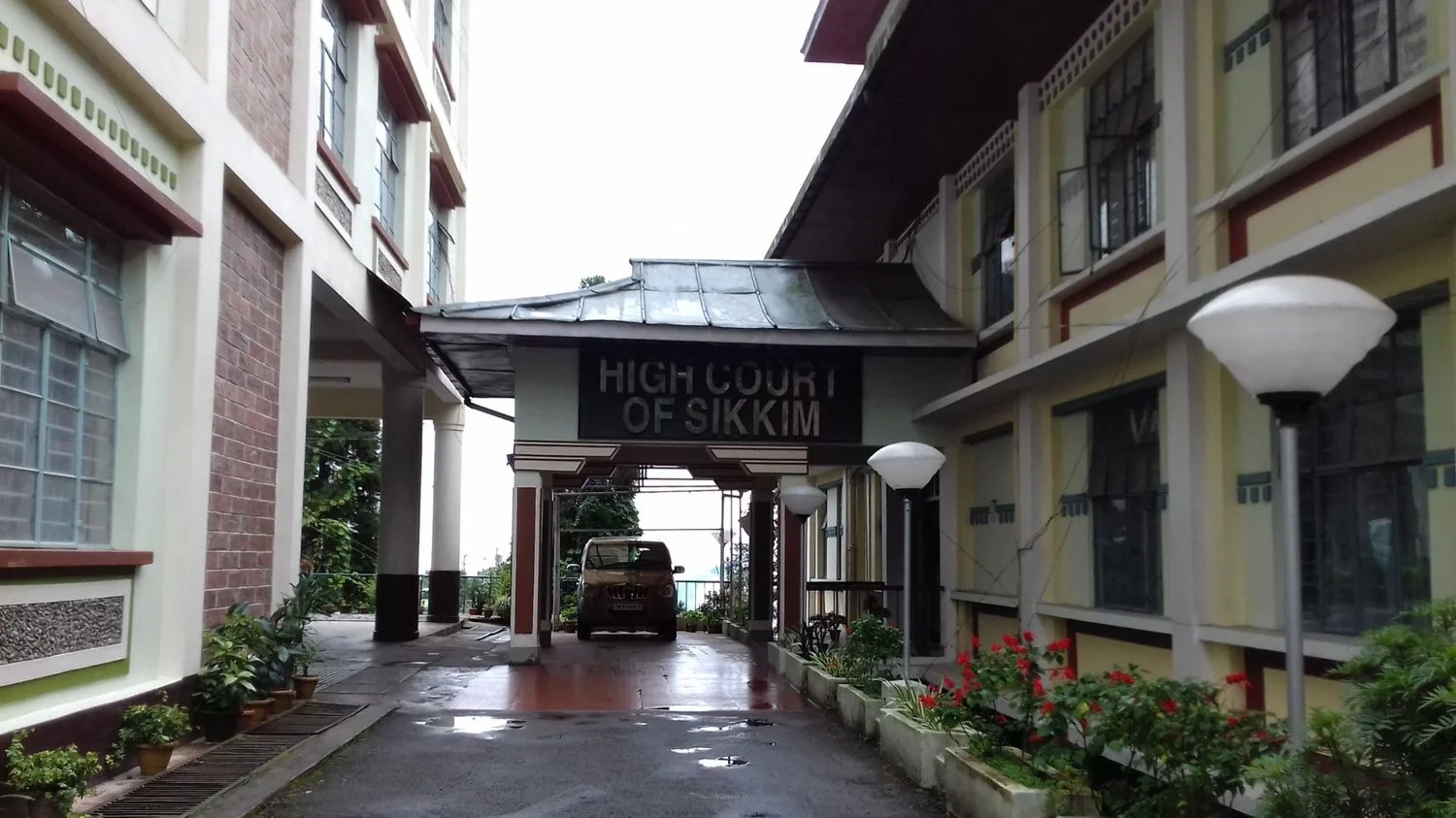

The Sikkim High Court has held that no law bars the media from disclosing the name of an accused person while reporting on the registration of an FIR, provided the identity of the victim is not revealed and the reporting remains fair and accurate. The court said crime reporting forms part of the press’s duty and cannot be termed a media trial merely because it reports the fact of an FIR being lodged.
Court Upholds Scope of Fair Crime Reporting
Justice Bhaskar Raj Pradhan said the press and media serve as the fourth pillar of democracy and must remain alert as a watchdog of society. The court observed that fair and accurate reporting of the fact that an FIR has been lodged against an accused person, without disclosing the name and identity of the victim or judging the alleged act, does not amount to a media trial.
The court further said that freedom of speech under Article 19(1)(a) of the Constitution includes the freedom of the press. It noted that press freedom helps ensure an informed citizenry and encourages the pursuit of truth. The judge added that where the press is performing its duty fairly and accurately, courts should refrain from entertaining attempts to drag media organisations into litigation on that basis alone.
FCRF Returns With CDPO, Its Premier Data Protection Certification for Privacy Professionals
Challenge to Report Rejected by High Court
The observations came while the court was hearing a plea challenging publication of a report by the Sikkim Chronicle on the registration of an FIR against an accused person. The petitioner had sought removal of the report and an order restraining further publication of stories on the case.
While considering the submissions, the court noted that the Supreme Court has directed that FIRs be uploaded on police websites. It said the top court has not laid down any direction barring disclosure of the name of an accused or the contents of the FIR against him. The judge said accepting the petitioner’s argument would render the direction to upload FIRs on public websites ineffective.
The court also took note of provisions in a proposed Police Manual for Media Briefing placed before the Supreme Court by an amicus curiae. It observed, however, that nothing in that material prohibited disclosure of the accused’s name.
Privacy Claim Does Not Survive on Public Records
The High Court said an accused or any aggrieved person who genuinely fears prejudice to the right to a fair trial may seek postponement of an offending publication or deferment of reporting on certain stages of a trial, including matters involving the identity of the victim, witness or complainant. At the same time, it stressed that such relief must depend on the facts of each case.
In the present matter, the judge found that the facts did not justify imposing any reasonable restriction on the press or media. The court held that the Sikkim Chronicle report, which carried both the contents of the FIR and the letter of the accused’s son, amounted to fair reporting within the rights and duties of the press.
It also held that the right to privacy no longer subsists where media reporting is based on public records. On that basis, the plea was rejected. Advocate Abhinav Kant Jha appeared for the petitioner, while Government Advocate SK Chettri appeared for the State.
Follow for daily updates on cybercrime, corporate fraud, DFIR, hacking, investigations, and digital forensics
