

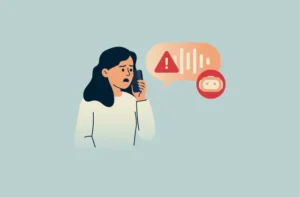
Cyber fraud targeting senior citizens has emerged as a growing concern, with more than 1.03 lakh elderly people losing nearly ₹4,000 crore across India. In Noida, cybercrime cases have increased sharply, with fraudsters using fake investment schemes, digital arrests and impersonation to target elderly victims.
How Serious Is the Problem?
Union home ministry data shows that 1,03,488 senior citizens have fallen victim to cyber fraud nationwide. In Noida, cybercrime police registered 537 cases by October 3, 2026, compared with just 14 cases in 2020.
The figures show a steady increase, with 32 cases in 2021, 49 in 2022, 183 in 2023, 134 in 2024 and 135 in 2025.
FCRF’s Chief AI Officer Certification Returns on November 14 to Prepare Future AI Leaders
Why Are Seniors Being Targeted?
Fraudsters exploit financial security concerns, unfamiliarity with digital platforms and fear of legal consequences. They often impersonate police officers, investment advisers or government officials to establish credibility.
The growing use of online banking, digital payments and messaging applications has created additional opportunities for criminals to approach elderly people through convincing messages and calls.
How Do Investment Scams Work?
Fraudsters promise unusually high returns through WhatsApp or Telegram groups, where fake applications display rising profits and successful transactions.
Victims are encouraged to invest larger amounts, but withdrawal requests trigger demands for taxes, processing charges or account-unlocking fees.
On October 3, an 82-year-old Noida resident reportedly lost ₹50 lakh through an online investment scam. Another 71-year-old retired engineer allegedly lost approximately ₹75 lakh through a WhatsApp investment group.
What Happens in Digital Arrest Scams?
Criminals impersonate police or investigative officers, accuse victims of serious offences and pressure them to remain on video calls while transferring money.
In July, an 83-year-old doctor allegedly lost ₹35 lakh during a three-day digital arrest scam. Another elderly woman reportedly transferred ₹18.50 lakh through RTGS after fraudsters threatened her with arrest and claimed her Aadhaar was connected to money laundering.
Are AI Scams Increasing?
Cybercriminals are also using AI-based voice cloning to imitate relatives and demand emergency payments. Such calls can create panic among elderly people, particularly those living alone or away from family members.
What Are Police Doing?
Noida Police said fraudulent transactions worth more than ₹14.17 crore were frozen between December 2022 and May 2026, while over ₹75 crore was returned to victims.
Commissioner Laxmi Singh said police were conducting awareness campaigns across residential societies, schools, colleges, companies and other institutions.
How Can Senior Citizens Stay Safe From Cyber Fraud?
Senior citizens should avoid suspicious links, fake investment offers and calls threatening arrest. Never share OTPs, banking details or UPI PINs, and always verify unexpected financial requests with trusted family members. If cheated, immediately inform the bank, call the cybercrime helpline 1930 and report the incident at cybercrime.gov.in to improve the chances of recovering the money.
The420 Insight
Senior citizens should independently verify investment offers, suspicious calls and emergency payment requests. No money should be transferred solely on the instructions of an unknown caller claiming official authority.
About the author — Ayesha Aayat writes on cybercrime, digital safety, and emerging online threats. Her work focuses on public awareness, legal clarity, and technology-driven risks.
Follow for daily updates on cybercrime, corporate fraud, DFIR, hacking, investigations, and digital forensics
