
Follow us on Google News

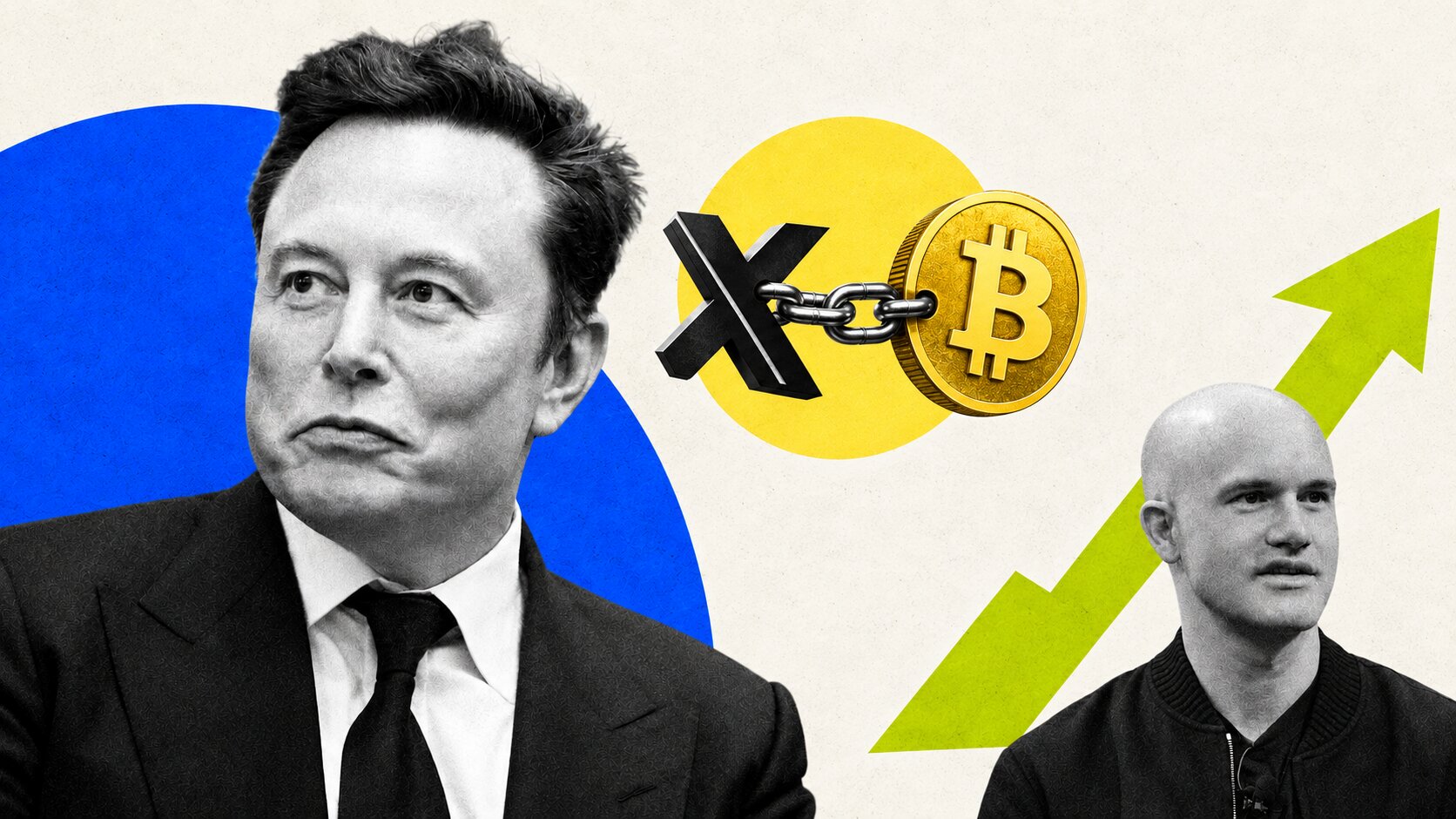
Coinbase says it blocked ₹43.93 crore in crypto transfers after fraudsters used an Elon Musk deepfake to promote a scam.
How Did the Deepfake Scam Work?
In a blog post published on November 17, Coinbase revealed that fraudsters had impersonated Elon Musk using artificial intelligence during a fake YouTube livestream resembling Tesla’s flying-car demonstration. The broadcast, watched by more than five lakh people, featured an AI-generated version of Musk promising to double cryptocurrency deposits made by viewers.
The fraudsters displayed cryptocurrency wallet addresses and QR codes during the broadcast, encouraging viewers to transfer funds. Within approximately two hours, hundreds of Coinbase customers attempted to send money to the scammers. The exchange said its automated fraud prevention system intercepted nearly 91 per cent of the attempted funds, amounting to approximately ₹43.93 crore. The company has not disclosed the amount ultimately received by the fraudsters.
FCRF Launches Certified Chief Risk Officer (CRO) Program for India’s Risk Leaders
How Did Coinbase Prevent the Fraud?
Coinbase deployed an AI-powered fraud prevention agent that combined real-time transaction monitoring with direct customer intervention. The system used machine learning models to identify suspicious outgoing transfers and detect warning signs associated with fraudulent giveaways, corporate impersonation and newly created cryptocurrency wallets.
Whenever a suspicious transaction was detected, the AI agent initiated a conversation with the customer, explained the potential fraud and encouraged them to reconsider the payment. The system also assessed the reliability of its responses before displaying them to users. According to Coinbase, the entire operation was conducted without human intervention.
Why Are Deepfake Scams Difficult to Detect?
Coinbase described the incident as a social engineering attack rather than a breach of customer accounts. No passwords or login credentials were stolen. Instead, fraudsters manipulated customers, including longtime platform users, into voluntarily authorising cryptocurrency transfers.
Generative AI has made it easier for criminals to reproduce the voices and appearances of prominent personalities. In 2023, a similar scam involving a manipulated video of Musk reportedly defrauded victims of approximately ₹1.54 crore. In June 2024, fraudulent cryptocurrency giveaways featuring Musk’s deepfake appeared across more than 35 YouTube channels during a SpaceX Starship launch.
How Can Cryptocurrency Users Stay Safe?
Coinbase warned that legitimate companies and public figures do not demand advance cryptocurrency payments in exchange for higher returns. The exchange advised users against transferring funds to wallet addresses or scanning payment QR codes displayed during livestreams and social media broadcasts.
Customers have also been advised to verify promotional announcements through official company websites and social media accounts. Those receiving fraud warnings while initiating transactions should review the alerts before approving payments. The incident highlights a growing challenge for cryptocurrency exchanges, where preventing financial fraud increasingly depends on identifying psychological manipulation before customers authorise irreversible transactions, rather than relying solely on conventional account security measures.