
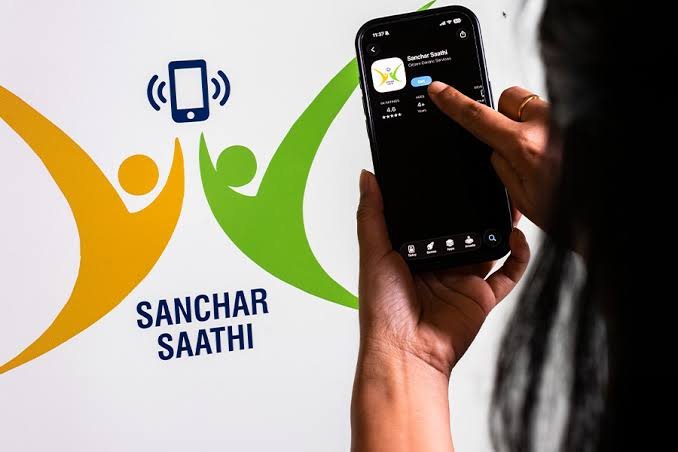

New Delhi: An app that was barely noticed a fortnight ago has suddenly become the talk of the nation. Sanchar Saathi, a citizen-safety application developed by the Department of Telecommunications (DoT), has now surged to the No. 1 position on the Apple App Store in India overtaking global tech heavyweights like Google Gemini and ChatGPT.
The surprise rise came right after the DoT hastily withdrew its order mandating the pre-installation of the app on all new smartphones, following a wave of criticism from Opposition leaders, civil rights activists, and mobile manufacturers. What began as a policy backlash quickly turned into an unexpected publicity windfall.
A Controversy That Created Popularity
According to data from Sensor Tower, Sanchar Saathi ranked 127th among India’s most downloaded apps on November 20. By December 2, it had shot to the No. 1 spot, leapfrogging global AI giants and becoming India’s most downloaded app.
Essentially, an app that most users hadn’t even heard of until last week became the country’s newest digital sensation thanks to a wave of political controversy, online debates, and social media curiosity. The irony is striking: the very criticism that forced the government to retreat on policy gave the app unprecedented visibility and traction.
What Does Sanchar Saathi Do?
Developed by the DoT, the Sanchar Saathi app is designed to enhance citizen safety and curb cyber fraud in India’s rapidly expanding digital ecosystem. Through the app, users can:
- Check all mobile numbers registered under their name,
- Report fraudulent or suspicious SIM cards,
- Block or locate lost/stolen phones, and
- File complaints against spam calls or scam messages.
In essence, the app functions as a “digital shield” empowering citizens to protect their identity and prevent misuse of their telecom connections amid rising cybercrime and SIM-cloning incidents.
The Root of the Controversy: Mandatory Installation
The uproar began when the DoT directed all smartphone manufacturers to pre-install Sanchar Saathi on every new device.
This move triggered strong resistance from various quarters. Opposition parties termed it a “privacy intrusion”, while mobile industry bodies argued that making a government app mandatory violated user choice and technological freedom.
Faced with mounting criticism, the DoT swiftly withdrew the directive within 48 hours. But by then, the app had already become a trending topic across social platforms from Twitter and Instagram to Telegram propelling downloads into the millions.
A Mixed Message for the Government
Policy experts say the episode reflects a “digital contradiction” for the government where a public outcry over privacy inadvertently helped raise awareness about cybersecurity.
Sources indicate that the DoT now plans to promote the app through voluntary adoption, banking on its functionality rather than compulsion. The hope is to reframe Sanchar Saathi as a citizen empowerment tool rather than a surveillance instrument.
Will the No. 1 Streak Last?
Tech analysts caution that the app’s current dominance is likely a “controversy-driven spike”, not a sustainable trend. Many apps experience a surge in downloads during public debates but struggle to retain active users once the news cycle fades.
However, if the government focuses on improving user experience, transparency, and privacy assurances, Sanchar Saathi could evolve into a powerful long-term platform for consumer protection and telecom accountability.
From Obscurity to Overnight Stardom
Sanchar Saathi’s meteoric rise from rank 127 to the top spot is not merely a story about an app’s success; it’s a reflection of how digital India’s political flashpoints can redefine technology narratives. The bigger question now: was this ascent just a flash in the pan, or the beginning of a more informed and secure digital ecosystem?
