

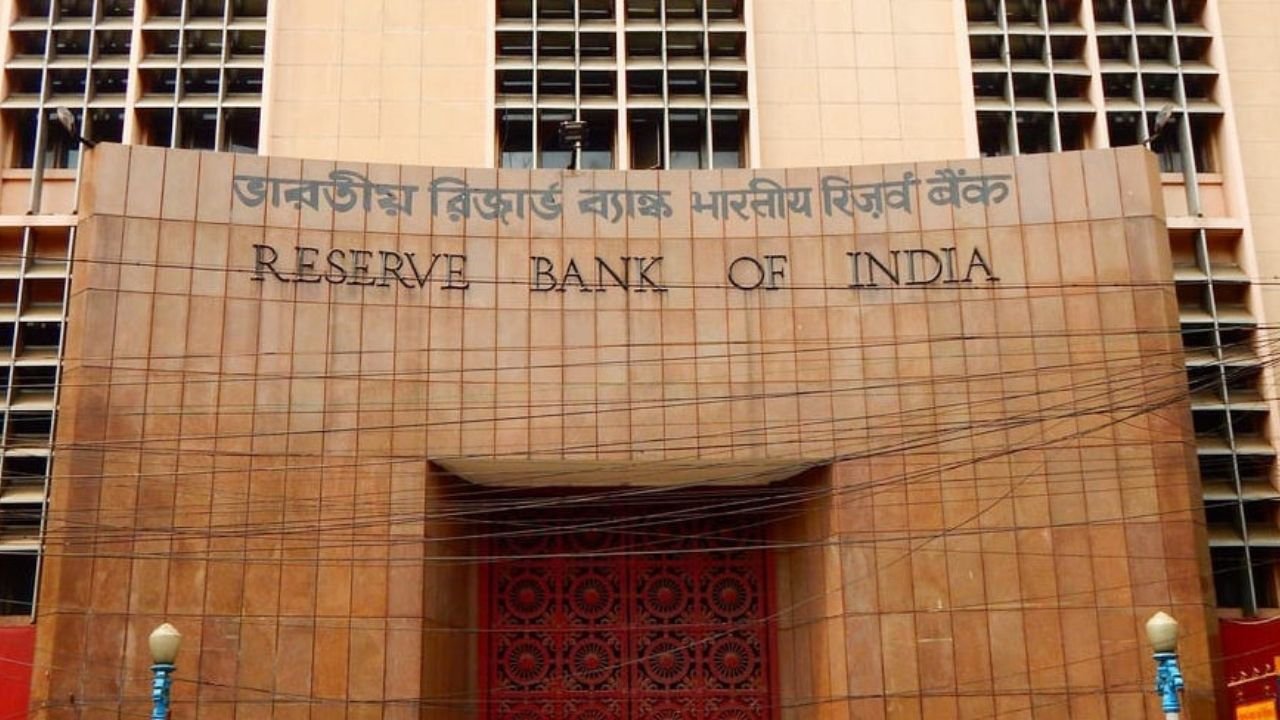

Mumbai: The Reserve Bank of India (RBI) will provide banks with a Digital Payment Intelligence Platform to strengthen efforts to detect and prevent fraud across the digital payments ecosystem. RBI Governor Sanjay Malhotra made the announcement on Tuesday at the FIBAC 2026 conference in Mumbai, saying the platform will enable financial institutions to work more effectively with the central bank in tackling emerging digital payment fraud.
Malhotra said fraud techniques in the digital payments space are evolving rapidly, making the use of artificial intelligence (AI) and machine learning increasingly important for identifying suspicious activities. He urged banks to assess their level of AI adoption and establish appropriate governance mechanisms to manage the risks associated with increasingly sophisticated technology.
The RBI Governor said larger banks may have the resources to develop their own AI models, while smaller institutions could have to depend on external technology vendors. In such cases, he stressed that data protection, model governance and accountability would become particularly important.
Malhotra also made it clear that technological advancement would not eliminate the need for human judgement. He said that regardless of how sophisticated an AI model becomes, the ultimate responsibility for a banking decision must remain with the bank. Human oversight, he added, would continue to be essential when AI systems are used to support important financial decisions.
The Governor called on financial institutions to make AI governance a priority. Banks should maintain a comprehensive inventory of all AI models being used, establish a board-approved AI governance policy and develop red-team and stress-testing capabilities. Such measures would help institutions identify weaknesses, operational risks and potential failures in AI systems before they affect customers or financial operations.
The proposed Digital Payment Intelligence Platform assumes significance as cybercriminals increasingly exploit digital payment systems and adopt new methods to defraud customers. AI-based analysis can help financial institutions identify unusual transaction patterns, suspicious activity and potential fraud more quickly. However, the RBI’s approach emphasises that technology must be supported by strong institutional controls and human accountability.
Malhotra also outlined several other banking reforms undertaken by the RBI over the past year. He said the central bank had made progress in improving customer-centric services, easing the cost of doing business and reducing the cost of financial intermediation. Several regulatory measures have also been introduced to reduce the burden on bank boards while leaving operational decisions to bank management.
The Governor highlighted improvements to the RBI’s PRAVAAH platform, including greater automation of application processes. The central bank has also rationalised regulations governing current accounts and working capital facilities. In addition, it has addressed an industry request related to the pricing of bulk deposits.
On credit growth, Malhotra said the RBI had taken several measures to improve the flow of credit to deserving sectors. These include steps related to acquisition financing as well as rationalisation of regulations covering priority sector lending, project finance and alternative investment funds.
He said the banking sector was progressing towards implementation of Basel III guidelines from financial year 2027-28 in accordance with the prescribed glide path. The RBI’s focus, he said, was to ensure that regulatory reforms supported both financial stability and the availability of credit.
Malhotra also highlighted the potential of AI to support financial inclusion. According to him, India’s digital public infrastructure provides a strong foundation that can be leveraged to expand AI-based financial services. The RBI is also working to improve and expand the Unified Lending Interface and Account Aggregator framework.
However, the Governor cautioned that AI should be deployed responsibly. While the technology could help close gaps in financial inclusion faster than many other innovations, careless or poorly governed deployment could create new forms of exclusion. The RBI’s emphasis on human oversight and AI governance therefore reflects the need to balance technological innovation with customer protection, data security and accountability.
About the author — Suvedita Nath is a science student with a growing interest in cybercrime and digital safety. She writes on online activity, cyber threats, and technology-driven risks. Her work focuses on clarity, accuracy, and public awareness.
Follow for daily updates on cybercrime, corporate fraud, DFIR, hacking, investigations, and digital forensics
