
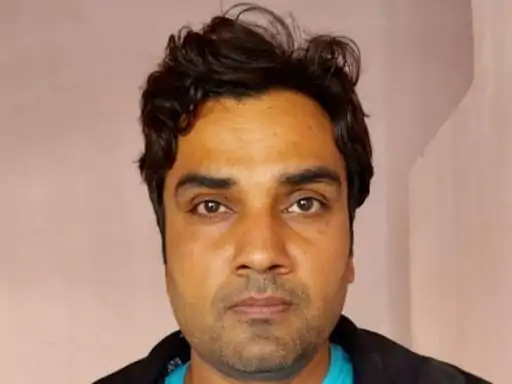

JAIPUR: A sprawling exam-cheating racket in Rajasthan has exposed the growing sophistication of fraud in public recruitment, where imported spy cameras, Bluetooth earpieces, and real-time answer transmissions helped candidates secure coveted government posts. The Special Operations Group now says the operation may have infiltrated multiple examinations over several years.
A Leak Inside the Exam Hall
When the Junior Clerk (Grade-II) examination was held in Rajasthan in 2022, officials monitoring the test believed the usual vigilance measures were in place. What they did not know was that two members of an organised cheating network had walked in posing as candidates armed with imported spy cameras designed to capture images discreetly inside the hall.
According to investigators, the devices were purchased from Spain for about ₹90,000 by the alleged mastermind, Paurav Kaler. Once inside, the operatives photographed the entire question paper and transmitted the images to Kaler within minutes. Outside the exam centre, a team of experts solved the paper in real time, preparing answers for paying candidates.
Four of those candidates eventually passed the highly competitive examination, were appointed as Junior Clerks in 2023, and were posted across courts and government departments. Their appointments, authorities now suspect, were the result of a carefully orchestrated fraud rather than merit.
A High-Tech Pipeline for Real-Time Cheating
The method of execution, investigators say, marked a departure from older forms of exam manipulation. Kaler’s associates stitched Bluetooth micro-devices into the clothing of select candidates, enabling them to receive whispered answers while the test was ongoing. These devices, small enough to be concealed within the body or clothing, were linked to handlers waiting outside.
Police officials describe the operation as a closed-loop system: the paper was captured, solved, and delivered back to candidates with minimal delay. The candidates, many of whom had paid between ₹3 lakh and ₹5 lakh, simply had to listen.
At least four individuals Dinesh Kumar, Manoj Kumar Boran, Ramesh Kumar, and Manish Budia were the direct beneficiaries of the scheme, investigators say. All four secured government positions and were working at courts or judicial academies when they were arrested. Their postings ranged from district courts in Salumber and Churu to judicial institutions in Jodhpur and Pali.
An Expanding Investigation and a Longer Trail
What began as an inquiry into the Junior Clerk exam soon widened. Officers from the Special Operations Group (SOG), led by DIG Deshmukh Paris Anil, reviewed other examinations conducted around the same period. The probe revealed that the same network may have leaked papers for the High Court Junior Clerk exam as well.
By the time arrests were made, 20 individuals including the masterminds Paurav Kaler and his associate Tulsaram Kaler had been taken into custody. Investigators say both men had built a parallel industry around high-stakes examinations, offering candidates a guaranteed path to success for a fee.
The racket came to light during a separate probe into the EO-RO examination held in 2022. As SOG officers questioned suspects from that case, they uncovered threads leading to earlier leaks, suggesting that the cheating syndicate had been operating for years, adjusting its tools to match rising technological possibilities.
The Pressure on Institutions and Public Trust
For state authorities, the arrests raise broader questions about the vulnerability of public examinations a cornerstone of India’s administrative recruitment. With spy-camera technology becoming cheaper and Bluetooth-based cheating more difficult to detect, investigators say the threat has outpaced existing safeguards. Officials say they are now reassessing how exam centres are monitored, how technological devices are screened, and whether background checks for new recruits need strengthening.
