
Follow us on Google News

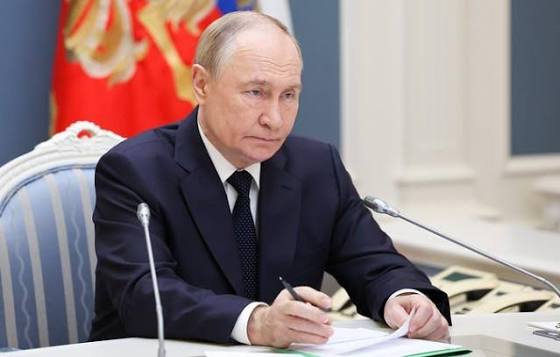
Russia’s private data-centre operators will have to reserve 10% of their computing capacity for possible state use under a new presidential decree signed by Vladimir Putin on November 2. The measure gives authorities access to privately owned infrastructure if essential digital services face disruption.
The decree allows a special government commission to direct operators to release the reserved capacity. Once an order is issued, the resources must be made available within 24 hours.
The Digital Development Ministry has also been instructed to prepare an inventory of available capacity and floor space at privately owned data centres across the country. This would give the government a clearer picture of the computing resources it could call upon during an emergency.
The move comes after a series of Ukrainian drone attacks on Russian data-centre facilities in October. Technology company Yandex and banking group Sberbank were among the operators whose facilities were targeted.
Private Operators Face A New State Requirement
The 10% requirement creates a formal reserve that the government can draw upon when it considers the continuity of important information services to be at risk. Instead of relying entirely on individual companies to arrange emergency capacity, authorities will have a mechanism to access resources spread across private facilities.
The reserved capacity is not necessarily meant to remain idle. Russian media reports say operators can continue using it for their normal activities until the government commission calls for its release.
However, the possibility of a state order within a 24-hour period could affect how operators plan their available resources. Companies may have to account for the government reserve while allocating computing capacity to customers, expanding services or planning new infrastructure.
The decree also gives the Digital Development Ministry responsibility for identifying available space and capacity. This inventory could help authorities determine which facilities can support critical services if a major disruption affects existing infrastructure.
The full technical criteria for selecting facilities and allocating workloads were not detailed in Reuters’ report. The government commission is expected to play a central role in deciding when the reserved resources are required.
Overseas Data Centres Allowed Under Security Approval
The decree also provides for the temporary use of data centres located outside Russia. Such arrangements will require approval from the Federal Security Service, known as the FSB.
This provision is significant because it gives Russian authorities an option to move certain information resources beyond the country’s borders when domestic infrastructure is unavailable or under pressure. However, it does not create unrestricted permission for Russian companies to shift services to foreign hosting providers.
The security approval requirement places the decision under government oversight. It also suggests that the authorities are treating the continuity of digital services as a matter involving both infrastructure resilience and national security.
A data centre is a physical facility containing servers, storage systems and networking equipment that support websites, applications, cloud platforms and other digital services. Its computing capacity determines how much processing and data-handling work it can support.
Reserving part of that capacity can provide an emergency pool of resources for services that need to be restored or shifted after an outage. But making those resources useful requires more than keeping server space available: power, cooling, network connections and technical staff must also be ready.
Drone Attacks Put Digital Infrastructure Under Pressure
The new requirement follows attacks on Russian data centres in October, which exposed the vulnerability of facilities that support major technology platforms and online services.
Yandex operates infrastructure used for cloud computing and other digital products, while Sberbank has extensive technology and financial-service operations. Disruption at such facilities can affect businesses and users that depend on their services, even when the damage is limited to a particular site.
The attacks have also drawn attention to the infrastructure behind Russia’s artificial intelligence ambitions. Data centres host the computing equipment needed to train and operate large AI models, as well as the cloud services used by companies and public institutions.
The latest decree is therefore part of a wider effort to make critical digital services less dependent on the uninterrupted operation of individual facilities. It creates a government-controlled reserve, although the effectiveness of that arrangement will depend on how quickly the resources can be deployed and whether they are located in places that remain operational during an emergency.
The measure also raises questions about the balance between private operators’ commercial commitments and the state’s ability to redirect infrastructure during a crisis. Operators will have to factor the new requirement into their planning, while the government will need to establish how reserved capacity is allocated and used.
What this means for you
For businesses using Russian cloud, hosting or data-centre services, the decree is a reminder to check where critical workloads and backups are located and how providers plan to handle emergency capacity demands. The immediate effect on ordinary users is unclear, but the new rules could influence how digital services are hosted and restored during major disruptions.