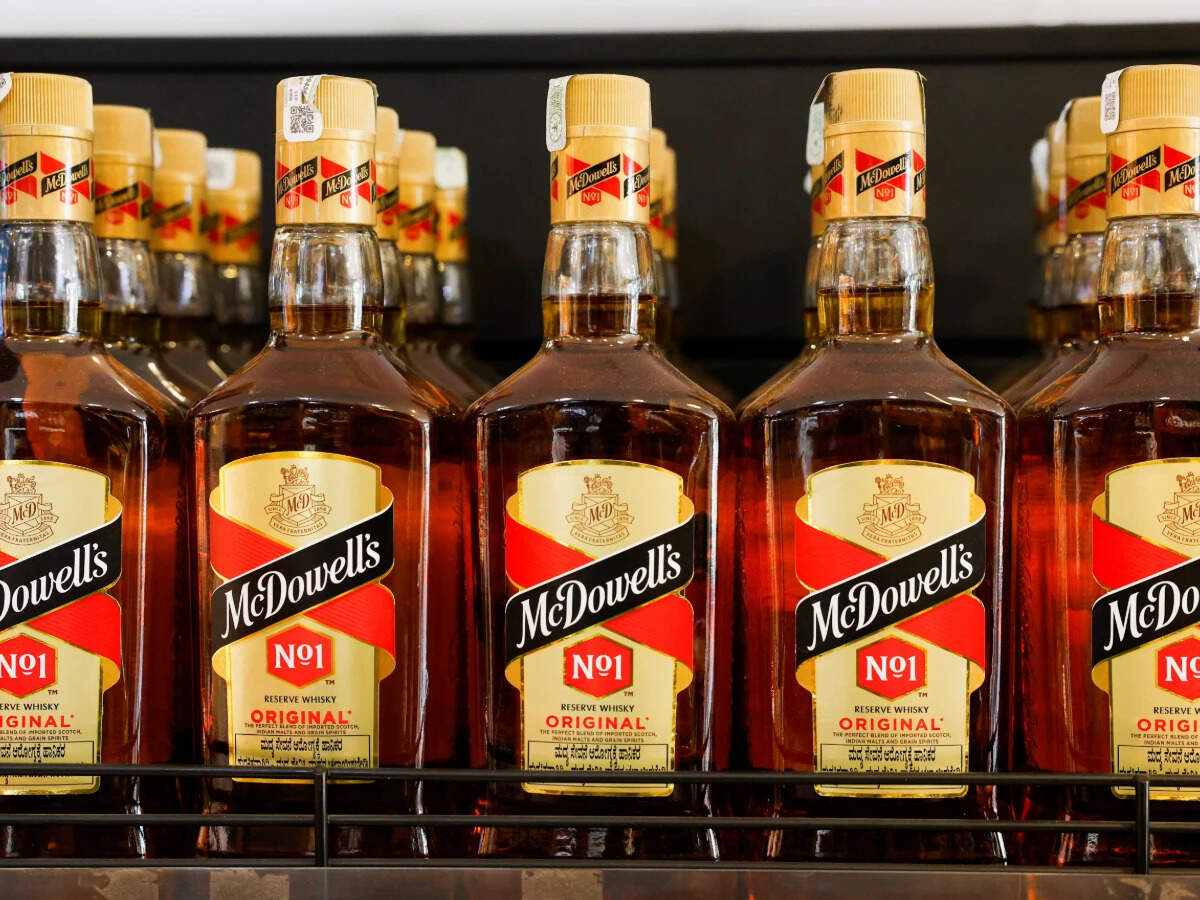

Tax authorities in Maharashtra have concluded an extensive 10-day search of premises belonging to United Spirits, the Indian unit of Diageo, as part of an expanding probe into the alleged misclassification of bulk Scotch whisky imports. The operation began on October 19 and wrapped up on October 29, closely trailing an earlier search conducted on October 16 by the Directorate of Revenue Intelligence. State and central officials suspect that leading liquor manufacturers may have declared bulk Scotch concentrates under incorrect tariff lines to illicitly secure lower import duties, potentially costing the government significant customs revenue. United Spirits announced the development on October 30, confirming the intervention of the Commissioner of State Tax, Maharashtra, while maintaining that the enforcement actions have caused no disruption to its regular financial or operational activities.
Trade Agreement Concessions Face Regulatory Scrutiny
The heightened regulatory attention follows major adjustments to India’s tariff framework under its bilateral trade pact with the United Kingdom, which took effect on July 15, 2026. The agreement lowered customs duties on specific categories of Scotch whisky from 150 per cent to 75 per cent to expand market access for British producers and foster cross-border trade. However, investigators are now reviewing whether companies exploited these preferential arrangements by categorizing imported bulk concentrates under lower-duty schedules. If authorities substantiate the misclassification, the firms involved could face substantial retrospective duty demands, financial penalties, and formal legal action. To date, tax authorities have announced no formal determination of liability or wrongdoing against United Spirits.
Probe Widens Across Major Industry Players
The investigation extends beyond Diageo’s domestic footprint, with French beverage multinational Pernod Ricard also facing scrutiny over its bulk Scotch import declarations. Together, both firms represent the dominant share of India’s premium spirits industry. Investigators from both state tax agencies and the Directorate of Revenue Intelligence are evaluating whether these corporate giants adhered strictly to import classification guidelines or intentionally used advantageous product codes to depress their tax outlays. The dual involvement of state and central enforcement bodies reflects the scale of the broader industry review, which aims to quantify any revenue leakages across the premium liquor supply chain.
Market Headwinds Compound Sector Pressures
The regulatory inquiry coincides with mounting commercial challenges for United Spirits, which posted lower second-quarter profits on Wednesday alongside falling net sales across its popular liquor portfolio. The sales downturn stems partly from increased state taxes levied on non-local spirits in Maharashtra, which serves as one of India’s most lucrative and influential markets for alcoholic beverages. Because local excise policy shifts heavily impact consumer pricing, distribution volumes, and operational margins, the dual pressure of state taxation changes and federal import classification inquiries presents an increasingly complex operating environment. For the moment, market attention remains focused on the findings of both tax agencies, which will ultimately determine whether deliberate misclassification occurred and establish the subsequent legal measures to be taken.