
Follow us on Google News

The Prime Minister’s Office (PMO) has summoned Telecom Secretary Amit Agrawal to explain how government officials ordered the blocking of 129 betting websites on the basis of forged High Court orders, according to two government officials familiar with the matter.
The intervention marks a significant escalation of an investigation that has raised concerns over the authenticity of legal documents used by government departments to restrict access to websites in India.
Agrawal reportedly had to cut short an official trip to another state following the summons. The Department of Telecommunications (DoT) has already initiated an internal investigation, while Uttar Pradesh Police are examining allegations of forgery and cheating.
FCRF’s Chief AI Officer Certification Returns on November 14 to Prepare Future AI Leaders
PMO Intervention Intensifies Scrutiny Of Telecom Ministry
The latest development brings the controversy directly under the scrutiny of the Prime Minister’s Office, shifting attention towards administrative accountability within the telecommunications department.
Agrawal, the senior-most bureaucrat in the telecom ministry, oversees a department responsible for regulating telecommunications operators, internet service providers and several aspects of India’s digital infrastructure.
According to a government official familiar with the matter, the directions issued against the betting websites were implemented through the department’s relevant field officers.
The investigation is expected to examine how the documents were received, processed and translated into official blocking directives without their authenticity being established.
However, the precise explanation sought by the PMO, the officials responsible for verifying the documents and the outcome of any meeting have not been publicly disclosed.
The Prime Minister’s Office, Agrawal and the telecommunications ministry did not respond to requests for comment on the reported summons.
No disciplinary action against Agrawal or other officials has been announced.
Forged Judicial Orders Expose Gaps In Website Blocking Procedures
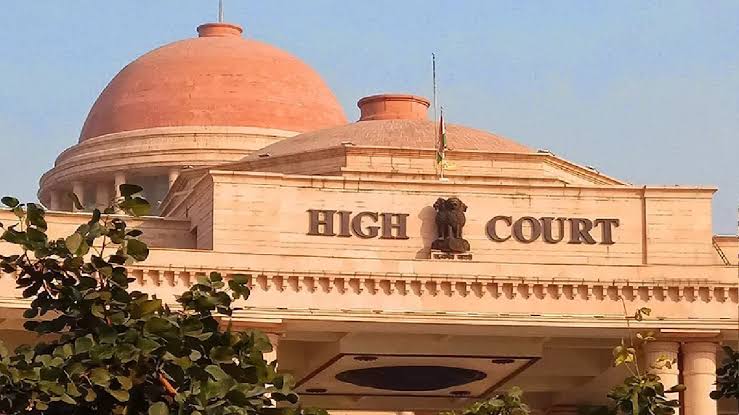
The controversy originated from two fabricated orders issued in the names of the Rajasthan and Allahabad High Courts.
Individuals posing as lawyers allegedly emailed the documents to government officials, following which the telecommunications department instructed internet service providers to restrict access to 129 betting websites.
The documents contained fabricated court logos, seals and a fraudulent QR code, giving them the appearance of authentic judicial orders.
As previously reported by The420.in, the authenticity of the purported orders came under scrutiny after inquiries involving the courts and police established that they were not genuine.
The forged documents and associated government correspondence remained publicly available on the telecommunications department’s website for several months.
By Saturday, one of the documents had been removed, while the other remained accessible.
Although the websites involved were reportedly illegal betting platforms, the investigation has exposed a broader concern: whether fabricated documents could be used to trigger government action against legitimate websites.
A fraudulent blocking request targeting a lawful business, news publication or digital platform could potentially disrupt its operations and restrict public access before the forgery is discovered.
The central issue is therefore not the legality of the betting websites but the reliability of the process through which officials authenticate judicial directions.
Police Seek Digital Records As Government Reviews Internal Procedures
The telecommunications department has initiated an internal inquiry into the circumstances surrounding the blocking directives.
Officials are examining whether additional verification procedures are necessary before acting on judicial documents seeking restrictions on websites.
The criminal investigation is proceeding separately.
Uttar Pradesh cybercrime police registered a case on November 6 against unidentified individuals following the discovery of the forged order attributed to the Allahabad High Court.
Investigators have subsequently sent 24 questions to the telecommunications ministry, seeking information about its content management system, digital logs and other records connected to the disputed documents.
These records could help establish how the documents entered the department’s systems, who processed them and when the blocking instructions were issued.
The ministry has also reportedly considered withdrawing the directives issued on the basis of the forged orders.
However, withdrawing a fraudulent directive would not necessarily mean that the affected betting websites could lawfully resume operations. Authorities could pursue separate enforcement action through legitimate legal procedures.
Investigators have not publicly identified the individuals who created or submitted the forged documents. Nor has any official finding established deliberate involvement by government employees.
Case Raises Wider Concerns Over Authenticity Of Digital Legal Documents
The investigation comes amid growing judicial concern about fabricated legal material, including false judgments and court citations generated using artificial intelligence.
In July 2026, India’s Supreme Court set aside tribunal orders that relied on judgments that did not exist, drawing attention to the consequences of failing to verify purported legal precedents.
The apex court has also previously warned that documents bearing forged judicial signatures undermine public confidence in the justice system.
The telecommunications investigation presents a related but distinct challenge. It concerns fabricated judicial directions that allegedly triggered administrative action affecting access to online services.
There is currently no confirmed evidence that artificial intelligence was used to create the two forged High Court orders involved in the website-blocking case.
Nevertheless, the availability of increasingly sophisticated document-editing and generative AI technologies makes independent authentication particularly important.
Verification mechanisms could include checking orders against official court repositories, confirming their authenticity with court registries and maintaining auditable records of administrative approvals.
The PMO’s reported intervention now places greater emphasis on establishing how the forged documents passed existing checks and whether institutional safeguards need to be strengthened.
What This Means For You:
Businesses receiving purported court orders or government takedown notices should independently verify them through official court registries and government channels before acting. Website operators should preserve relevant notices, correspondence and technical records when challenging restrictions imposed on the basis of suspected fraudulent documents.