
Follow us on Google News

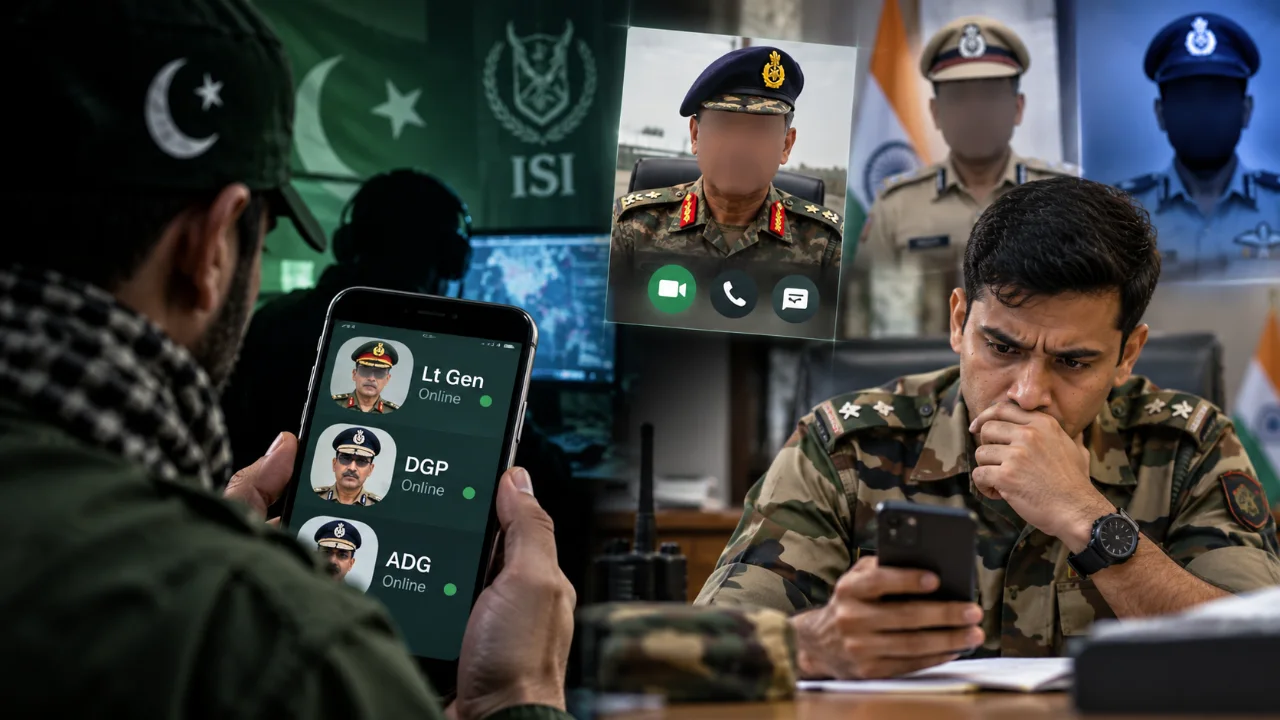
Pakistani intelligence agents have infiltrated at least 13 WhatsApp groups linked to the Indian Army, Central Armed Police Forces, and other organizations connected to strategic affairs, raising serious concerns over the security of sensitive defense data. According to intelligence reports, operatives linked to Pakistan’s Inter-Services Intelligence are using fake identities to enter these digital groups and gain access to the operational activities of Indian security forces. The primary objective behind this cyber intrusion is to gather critical data related to troop deployments, operational movements, strategic installations, and defense preparations.
Taking serious note of the security breach, agencies issued strict vigilance advisories to Army and central paramilitary personnel on November 17. Jawans and officers have been clearly instructed to refrain from sharing any sensitive, confidential, or departmental information on WhatsApp groups. Authorities have also directed personnel to closely monitor suspicious activities across both official and informal messaging groups associated with security forces.
Suspected Infiltration Across 13 Security Groups
Intelligence assessments indicate that Pakistani operatives have successfully embedded themselves in at least 13 WhatsApp groups involving personnel from the Army, Central Armed Police Forces, and strategic establishments. Rather than merely remaining passive members, these agents actively engage in conversations with group participants to build trust and gradually extract classified details over time.
Security agencies fear that these platforms could be exploited to collect granular information regarding troop placements, military movements, sensitive sectors, and key defense installations. If such intelligence reaches a hostile agency, it could be utilized to assess Indian security preparedness and ongoing military operations. In response to this threat, personnel from the Army, central paramilitary forces, and civil defense have been warned against adding any unverified individuals to departmental groups. Officials emphasized that verifying the actual identity and authorization of any member is mandatory before sharing sensitive information requested within a group.
Female Agent Posed as DRDO Scientist to Trap Staff
A specific espionage incident uncovered within this network has drawn heightened concern from security agencies. Reports reveal that a female Pakistani Intelligence Operative using the name Sonia infiltrated a WhatsApp group titled All India Defense Civilian Mutual Transfer Posting by falsely claiming to be a scientist with the Defense Research and Development Organization.
After gaining access to the group, she initiated conversations with civilian staff members and steadily expanded her contact with them. Investigators allege that she won the confidence of one civilian employee and brought him under her influence. She subsequently lured the employee with money, prompting him to leak several sensitive defense-related details to the foreign operative. This breach demonstrated how impersonating scientists, officers, or defense officials on messaging platforms can serve as an effective espionage tactic, making unverified trust based solely on shared group membership a severe security risk.
Probe Underway into Suspicious Numbers and Digital Hygiene
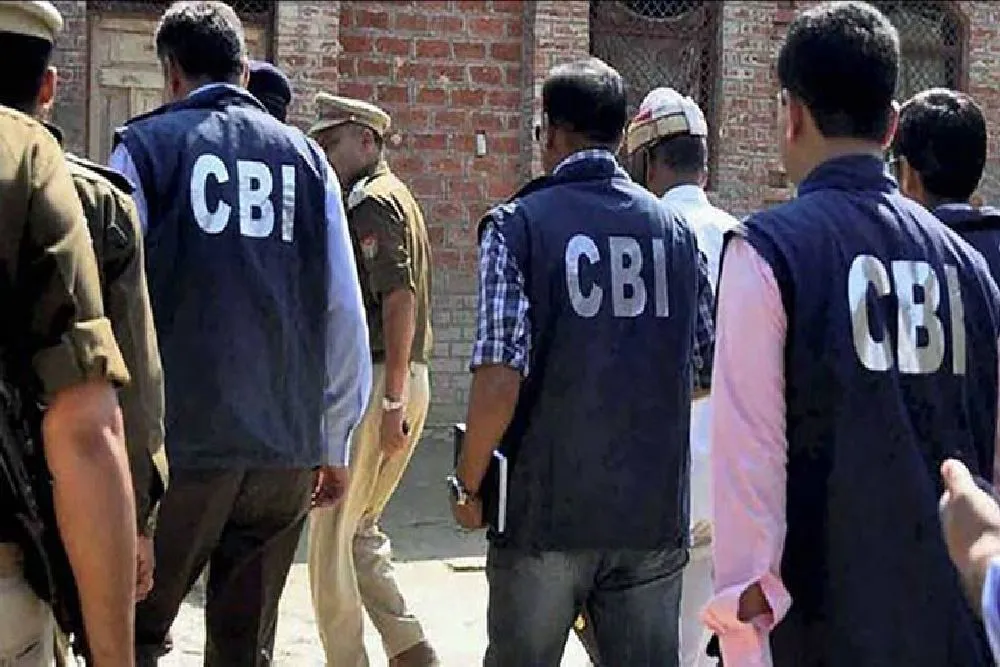
Security agencies have launched a thorough investigation into suspicious mobile numbers, user profiles, and compromised WhatsApp groups. The ongoing probe aims to identify the exact individuals who entered these groups under false identities, determine which employees were contacted, and ascertain the precise nature of the leaked information. Investigators are also working to establish how long the data leak had been occurring and uncover the broader network operating behind the infiltration.
For security forces, the incident underscores that digital vigilance is an integral part of national security. Photographs, documents, location details, and operational updates shared during casual or departmental conversations on platforms like WhatsApp can create major vulnerabilities. Even minor negligence by staff linked to military or strategic establishments can result in critical intelligence falling into the wrong hands. Consequently, agencies have advised personnel to stay alert against unknown contacts, report suspicious profiles to senior authorities immediately, and strictly avoid posting confidential material on unauthorized digital platforms while investigators work to plug information leaks and track down the operatives.