
Follow us on Google News

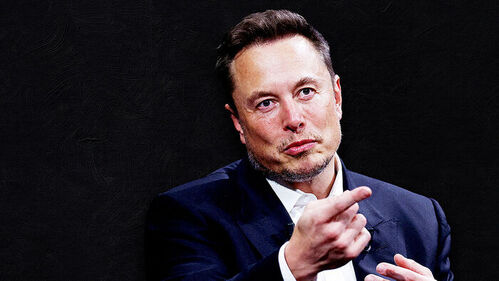
The artificial intelligence industry could face a severe financial crunch in 2027 due to mounting delays in building and operationalizing data centres, Tesla and xAI chief Elon Musk has warned. Speaking during a discussion on social media platform X, Musk noted that even a delay of a few months in bringing computing capacity online could force companies to raise hundreds of billions of dollars in additional working capital. His remarks came in response to a post claiming that AI-linked stocks remain undervalued and present a strong investment opportunity, noting that AI research and model development continue to accelerate despite limited availability of graphics processing units (GPUs), high bandwidth memory (HBM), and dynamic random access memory (DRAM).
Growing Challenges in Data Centre Deployment
Musk emphasized that installing massive computing capacity, keeping it cooled, and operating it reliably on a continuous basis is an exceptionally difficult task. He warned that cash shortages across the sector could reach extraordinary levels next year. According to Musk, AI firms must make heavy upfront investments in data centres, chips, electricity, and supporting infrastructure long before those facilities begin generating steady revenue. If industry-wide delays widen the gap between deploying hardware and monetizing computing capacity, businesses will be forced to secure hundreds of billions of dollars in extra working capital. Questioning where such vast sums would come from, Musk indicated that the widening mismatch between rapid capital expenditure and actual earnings could severely weaken corporate balance sheets.
Demand for GPUs, HBM, and DRAM is surging as developers require massive computing power to train and run advanced AI models. The original social media post supporting AI investments claimed that HBM and DRAM production is already booked through 2029, with chip and memory shortages expected to persist into the 2030s. It also noted that the computing power required to train leading AI models is doubling roughly every five months. However, Musk pointed out that supply bottlenecks are only part of the problem, as integrating purchased chips and servers with power grids, cooling systems, and networking infrastructure requires substantial time and capital before commercial use is possible.
Neo-Cloud Firms and US Infrastructure Hurdles
Musk has previously raised alarms over the financial viability of AI data centre operators. In October, he warned that more than 200 neo-cloud companies, which provide GPU-based cloud capacity for AI and high-performance computing, face the risk of failure or forced consolidation. He noted that firms lacking significant revenue outside their AI data centre operations are struggling to raise capital in debt markets, putting heavy pressure on businesses that relied on large loans to build their infrastructure.
Meanwhile, physical and regulatory obstacles are slowing data centre expansion in the United States. Rising electricity demand, water consumption, environmental concerns, and pushback from local communities have triggered widespread opposition. According to a report, at least 47 major AI infrastructure projects in the US have been delayed, withdrawn, or halted in 2026. Citing a Wood Mackenzie report, JPMorgan noted that roughly 400 blocking actions have been taken against data centre projects since January, compared with just 45 such actions between 2023 and 2025. Morgan Stanley estimates that between 35 and 50 percent of proposed AI data centre capacity is currently affected by delays or opposition driven by power grid limits, equipment shortages, local political resistance, and construction and labour constraints.
Widening Gap Between Investment and Revenue
The AI sector now confronts a dual challenge as companies pour billions of dollars into meeting projected future demand while delayed facility launches hold back near-term income. Bottlenecks in power connections, chip deliveries, cooling setups, and local regulatory approvals continue to drive up overall project costs.
This financial strain is likely to hit debt-reliant companies hardest, as delayed revenues could complicate their ability to service loans and cover ongoing operational expenses. Musk’s warning arrives as major global technology firms aggressively spend on advanced chips and data centres to secure market leadership. As a result, 2027 is shaping up to be a critical test not only of technological innovation, but also of financial resilience and the industry’s ability to turn heavy infrastructure spending into sustainable returns.