
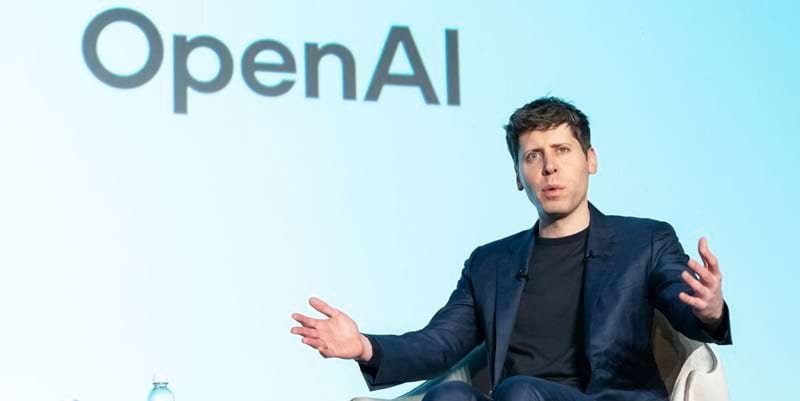
OpenAI has introduced GPT-5.4-Cyber, a variant of its frontier AI model designed to be more permissive for cybersecurity tasks, as part of an expansion of the company’s Trusted Access for Cyber programme.
Model Tuned for Defensive Cybersecurity Work
The company said the new model has been fine-tuned to lower refusal boundaries for legitimate security work and support advanced defensive workflows. Among its capabilities is binary reverse engineering, which allows security professionals to analyse compiled software for potential malware or vulnerabilities without requiring access to the original source code.
GPT-5.4-Cyber is described as a version of GPT-5.4 with fewer capability restrictions for vetted users. The company indicated that the model is intended to assist cybersecurity practitioners in conducting more effective defensive operations.
FCRF Returns With CDPO, Its Premier Data Protection Certification for Privacy Professionals
Limited Rollout to Vetted Users
Due to its more permissive nature, the model is being introduced through a limited, iterative deployment. Access is restricted to approved security vendors, organisations and researchers.
OpenAI said access will be managed through the Trusted Access for Cyber programme, which is being expanded to include thousands of verified individual defenders and hundreds of teams responsible for protecting critical software. Individual users can verify their identity through a dedicated portal, while enterprise customers may request access through their OpenAI representative.
Safeguards and Broader Cyber Strategy
The programme expansion also applies to existing models, granting approved users reduced friction around safeguards that might otherwise be triggered by dual use cyber activity. The company said its approach is guided by principles of democratised access, with clear identity verification criteria in place instead of arbitrary gatekeeping decisions.
OpenAI noted that cyber risk is already accelerating, with threat actors experimenting with AI-driven approaches. It said its strategy is to scale defensive capabilities alongside increasing model power rather than waiting for a single future threshold.
About the author – Ayesha Aayat is a law student and contributor covering cybercrime, online frauds, and digital safety concerns. Her writing aims to raise awareness about evolving cyber threats and legal responses.
