
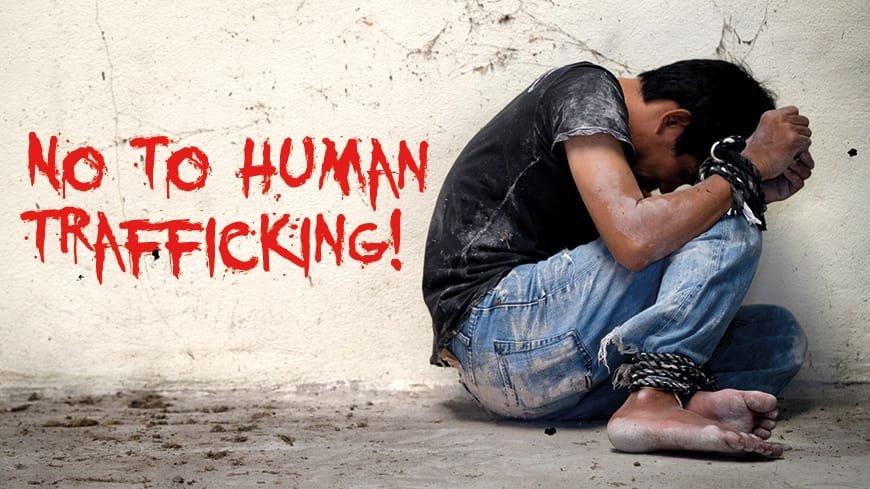
More than 5,300 people remain trapped in cyber scam compounds along the Myanmar-Thailand border despite earlier multinational crackdowns on online fraud and human trafficking networks, according to a Thailand-based human rights organization. The group has urged authorities to intensify rescue efforts and dismantle the remaining centres where foreign nationals are allegedly being forced into online fraud operations.
Victims From Multiple Countries
In a letter to Thai authorities, the Civil Society Network for Human Trafficking Victim Assistance said thousands of people are still being held in compounds located in Myanmar’s border areas, some of which remain under the influence of armed groups.
FCRF’s Flagship Cyber Law Certification Returns With a New Four-Week Cohort
According to the organization, around 1,600 of those trapped are Chinese nationals, while about 200 are Myanmar citizens. Others are said to be from the Philippines, Taiwan, Malaysia, Brazil, Russia, Kenya, Uganda, Rwanda and Zimbabwe.
The group said many victims were lured to the region with promises of well-paid jobs, higher salaries and overseas employment opportunities before allegedly being confined and forced to take part in online scam operations.
Scam Centres Still Operating
Human rights advocates said several compounds targeted in previous crackdowns were not fully dismantled, allowing criminal networks to continue operating. These networks are alleged to be running online investment scams, financial fraud schemes, romance scams and other cybercrime activities targeting people across the world.
The United Nations has previously warned that scam centres in Myanmar, Cambodia and other parts of Southeast Asia have grown into a multibillion-dollar criminal industry. The sector expanded rapidly during the COVID-19 pandemic and evolved from loosely regulated casino and online gambling operations into organized cybercrime hubs.
A UN report said many workers inside such compounds are victims of human trafficking. It documented allegations of forced labour, physical abuse, sexual exploitation, food deprivation, solitary confinement and other serious human rights violations.
Calls for Rescue and Rehabilitation
Rights experts say the issue has become both a criminal justice challenge and a humanitarian crisis. Many victims reportedly remain cut off from their families for months or years and face intimidation or punishment if they fail to meet fraud-related targets imposed by operators.
Pressure is growing on regional governments to strengthen cross-border cooperation. Joint operations involving China, Thailand and other countries have rescued thousands of people in recent years, but rights groups say the response remains insufficient given the scale of the networks.
The human rights organization has called for immediate rescue operations at the remaining compounds, safe extraction of victims, rehabilitation, legal assistance and support for their return home. It warned that thousands could remain vulnerable to exploitation unless the networks behind the scam centres are dismantled.
Follow for daily updates on cybercrime, corporate fraud, DFIR, hacking, investigations, and digital forensics
