
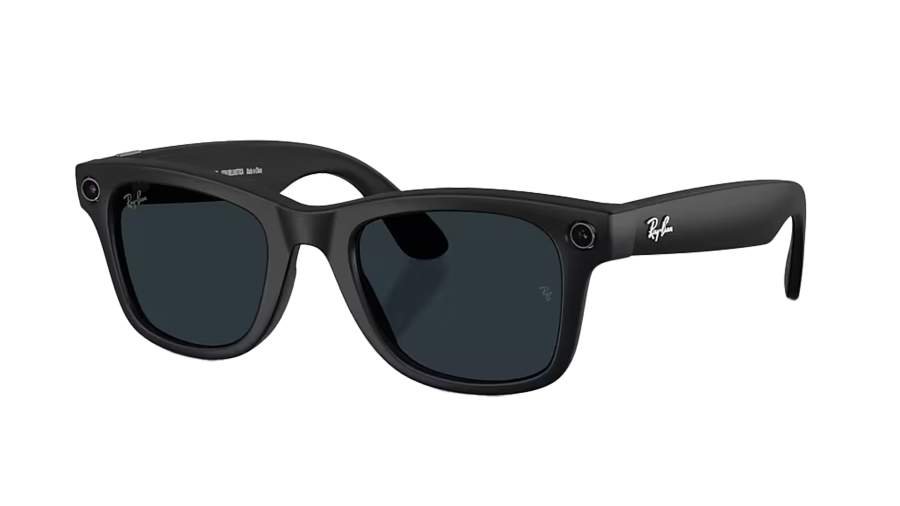
Meta’s Ray-Ban AI smart glasses are facing growing scrutiny worldwide over privacy concerns and the possibility of recording people without their knowledge or consent. The camera- and AI-enabled glasses have prompted several public and private venues, including courts, schools, restaurants, pubs and private clubs, to introduce restrictions on their use.
Meta’s smart glasses resemble conventional eyewear but are equipped with cameras, microphones and AI-powered features. Users can capture photographs and videos and perform several other digital tasks through the device. However, these capabilities have also raised concerns about privacy, particularly in public places where people may not know that they are being recorded.
The controversy intensified following reports about human review of content captured through the smart glasses. This raised questions over who may access user-generated recordings and how the privacy of people appearing in those recordings is protected. Against this backdrop, several institutions and businesses have started limiting or prohibiting the use of camera-equipped smart glasses.
In New York and several other locations, recording glasses have been prohibited in court buildings and schools. Such restrictions are intended to prevent unauthorised recording, surveillance and potential fraud. Courts are particularly sensitive environments because they involve confidential legal proceedings, documents and private conversations.
The restrictions have also spread to commercial establishments in the United Kingdom. Tim Martin, chief executive of the pub chain Wetherspoons, has prohibited the unauthorised recording of staff members or customers at its pubs. Under the policy, recording individuals without their knowledge or permission using smart glasses could violate the rules of the establishment.
London-based restaurant operator Jeremy King has also imposed restrictions on the wearing of smart glasses across his venues. The private members’ club Soho House has similarly updated its existing no-photography policy to explicitly cover camera-equipped smart glasses. These decisions indicate that privacy concerns surrounding wearable recording technology are extending beyond government buildings and educational institutions to restaurants, hospitality businesses and private clubs.
The controversy has also prompted Meta to introduce an additional software safeguard for its smart glasses. Under the new update, the glasses’ camera can be automatically disabled if a user attempts to cover or otherwise conceal the small LED indicator that signals when recording is taking place.
The LED indicator is designed to alert people nearby that the glasses’ camera is recording. If a user places tape over the light or attempts to obstruct it through another method, the updated software is intended to prevent the camera from operating. The measure is aimed at reducing the possibility of covert recording and ensuring that the device’s recording status remains visible.
The development comes as wearable technology increasingly incorporates artificial intelligence, cameras and microphones. Unlike conventional cameras or smartphones, smart glasses can record while appearing to be ordinary eyewear, potentially making it more difficult for people nearby to recognise that they are being filmed.
The growing restrictions have consequently raised broader questions about the privacy standards that should apply to AI-powered wearable devices. Supporters view smart glasses as useful tools for everyday activities, while critics argue that people in public spaces may not always be aware that a camera is operating nearby.
The issue also extends beyond recording itself. Questions surrounding the storage, processing and review of captured material could become increasingly important as AI-enabled wearable devices become more widespread. Clear rules on consent, transparency and data handling may be required to address concerns from both users and people who are unintentionally captured.
Meta’s latest software safeguard represents an effort to strengthen transparency around recording and prevent users from deliberately concealing the indicator light. However, the measure may not resolve all concerns surrounding the use of smart glasses in sensitive environments.
As the technology develops, businesses, educational institutions and public authorities are likely to establish more specific policies governing where and how camera-enabled wearables can be used. The debate over consent, recording transparency and personal data protection is therefore expected to continue as AI-powered smart glasses become more common.
Follow for daily updates on cybercrime, corporate fraud, DFIR, hacking, investigations, and digital forensics
