

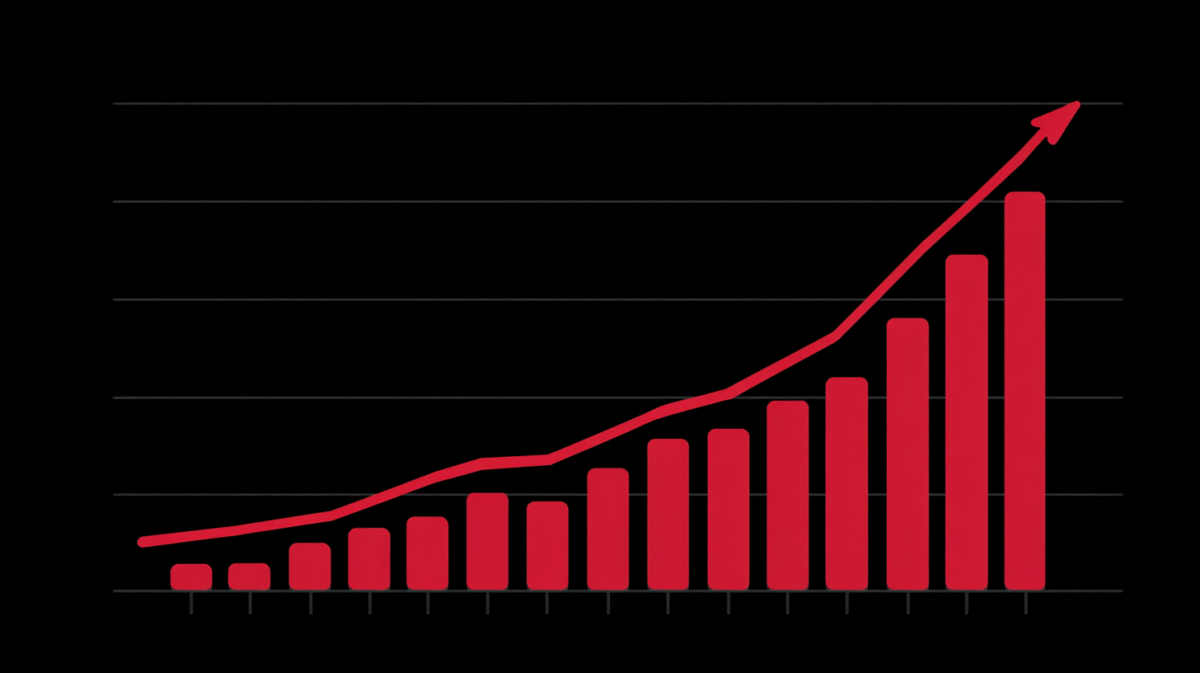
The rapid surge in cybercrime across Madhya Pradesh has taken a serious turn, exposing gaps in the state’s security and enforcement mechanisms. Over the past four years, cybercriminals have siphoned off more than ₹1,054 crore, raising concerns about the preparedness and effectiveness of the system. What is even more alarming is the negligible recovery, which appears to have emboldened fraudsters further.
Annual Losses Average ₹263 Crore
According to available data, between May 1, 2021 and July 13, 2025, cyber fraud cases in the state have shown a steady rise. On average, nearly ₹263 crore has been lost every year, indicating that cybercrime is no longer limited to isolated incidents but has evolved into a well-organised network. From fake calls and phishing links to deceptive messages and emerging tactics like “digital arrest,” citizens are being targeted on a daily basis.
Recovery Rate Shocks at 0.18%
The most concerning aspect remains the recovery rate. Out of the ₹1,054 crore defrauded, only about ₹1.94 crore has been recovered so far—roughly 0.18%. This means nearly 99.82% of the stolen money remains untraced. The figures highlight not only the limitations of current investigative mechanisms but also the growing technical sophistication of cybercriminals.
FCRF Launches Premier CISO Certification Amid Rising Demand for Cybersecurity Leadership
Infrastructure Lags Behind Neighboring States
The issue has also sparked a political debate. Leader of Opposition Umang Singhar has raised serious concerns over the state’s cyber security infrastructure. He alleged that the state lacks both adequate resources and a robust framework to tackle cybercrime effectively. With a population of around 80 million, the limited infrastructure to handle such a growing threat is a major concern.
Singhar further pointed out that states like Uttar Pradesh, Maharashtra, Tamil Nadu, Bihar, and Kerala have significantly more cybercrime police stations and dedicated cyber forensic units. In contrast, Madhya Pradesh continues to lag behind. He also highlighted the absence of a full-fledged cyber forensic division in the state, which, according to him, gives criminals a clear advantage.
NCRB Data Reveals 9% Conviction Rate
Referring to data from the National Crime Records Bureau (NCRB), it was noted that between 2021 and 2023, around 2,100 cybercrime cases were registered in the state. However, convictions were secured in only 191 cases, resulting in a conviction rate of about 9%. Such low conviction levels weaken deterrence and may encourage further criminal activity.
Experts believe cybercrime is no longer just a technological challenge but also a psychological one. In scams like “digital arrest,” fraudsters impersonate police or government officials to intimidate victims and coerce them into transferring money immediately.
Expert Warning
Renowned cybercrime expert and former IPS officer Prof. Triveni Singh explains, “Cybercriminals increasingly rely on social engineering to manipulate victims under pressure. There is no legal concept like ‘digital arrest,’ but fraudsters make it appear real using fake identities and technical tools.”
He also emphasised the need for public vigilance, advising people to avoid responding impulsively to unknown calls or suspicious links. Awareness, he said, remains the most effective defence against such crimes.
The current situation makes it clear that unless cyber security infrastructure is strengthened promptly, the threat could escalate further. A combination of better technology, trained personnel, stronger enforcement, and widespread public awareness will be crucial in tackling this growing menace.
About the author – Ayesha Aayat is a law student and contributor covering cybercrime, online frauds, and digital safety concerns. Her writing aims to raise awareness about evolving cyber threats and legal responses.
