

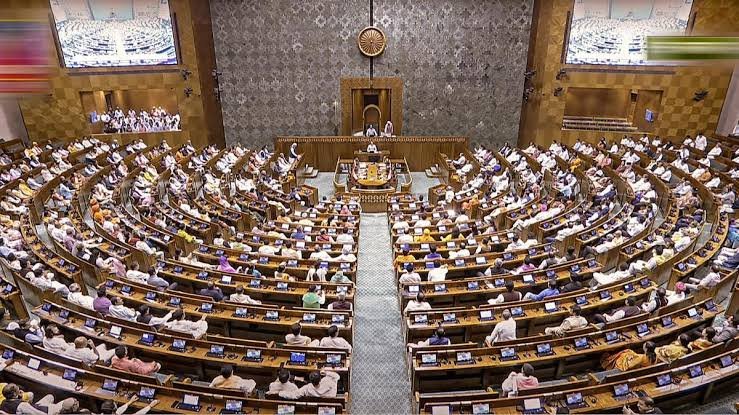

The Lok Sabha on Wednesday passed the Public Examinations (Prevention of Unfair Means) Amendment Bill, 2026, by a voice vote amid stormy proceedings and loud protests from the Opposition. The landmark legislation seeks to significantly overhaul India’s public examination framework by introducing harsher penal sanctions, mandatory investigation deadlines, and fast-track judicial mechanisms to curb paper leaks and organised cheating syndicates.
The passage of the legislation comes against the backdrop of intense public outrage and nationwide student demonstrations over recurring examination malpractices, including the high-profile leaks that disrupted national entrance tests. By amending the original 2024 framework, the Central Government aims to restore institutional trust and establish a zero-tolerance deterrence model against entities that compromise competitive examinations.
Substantially Harsher Penalties for Exam Fraud and Syndicates
Under the newly approved amendments, penalties across all categories of examination offenses have been escalated sharply. Individuals convicted of engaging in unfair means—such as leaking question papers, tampering with OMR answer sheets, creating fake websites, or issuing fraudulent admit cards—now face imprisonment ranging from five to ten years, up from the earlier three to five years. Financial penalties for individual offenders have also been raised fivefold, from ₹10 lakh to a maximum of ₹50 lakh.
The legislation introduces even stricter consequences for organised cheating syndicates and commercial service providers involved in examination logistics. For organised paper leak rings, the minimum prison sentence has been enhanced from five years to seven years, accompanied by a minimum fine of ₹10 crore. Furthermore, technology vendors, examination center operators, and printing agencies found complicit in malpractices face fines of up to ₹5 crore, while their debarment period from conducting public examinations has been doubled from four to eight years. Directors and senior executives of defaulting service providers also face personal criminal liability, carrying prison terms between five and ten years.
Mandatory Timelines and Special Fast-Track Courts
A central pillar of the amended law is the enforcement of strict statutory timelines designed to prevent prolonged legal delays in paper leak cases. The Bill mandates that law enforcement agencies complete all criminal investigations within two months of an offense being reported. To ensure swift adjudication, trials must be concluded within three months from the date a chargesheet is formally filed in court.
To support these accelerated timelines, the Central Government is empowered to establish Special Fast-Track Courts dedicated exclusively to hearing cases registered under the Act. Initiating the debate in the House, Union Minister Dr. Jitendra Singh described the legislation as a milestone step that underscores the government’s resolve to protect the academic future of millions of youth across the country.
Heated Political Debate and Opposition Pushback
The parliamentary consideration of the Bill witnessed fierce exchanges between the Treasury and Opposition benches. Leader of Opposition Rahul Gandhi heavily criticized the government’s handling of student grievances, raising allegations regarding police action during student protests against paper leaks. The comments sparked sharp objections from government ministers and led Speaker Om Birla to expunge portions of the address following persistent disruptions.
Opposition members questioned the necessity of introducing sweeping amendments just two years after the enactment of the 2024 parent law, with Congress leaders labeling the revisions a cosmetic exercise that failed to address root administrative lapses within testing agencies. Despite the uproar and subsequent walkouts by several Opposition parties, the Bill successfully cleared the Lower House and will now move to the Rajya Sabha for consideration and final approval.
Follow for daily updates on cybercrime, corporate fraud, DFIR, hacking, investigations, and digital forensics
