

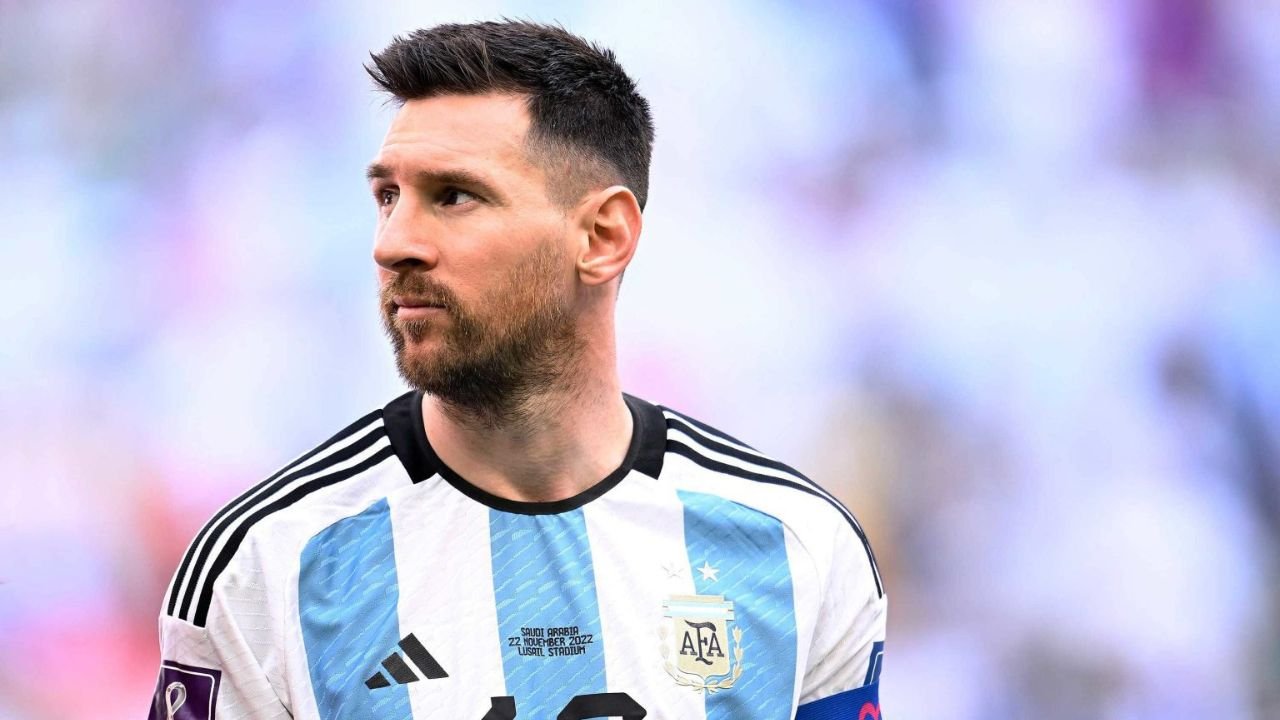

Football icon Lionel Messi has been drawn into a major legal dispute after Miami-based event promoter Vid Music Group filed a lawsuit seeking approximately USD 7 million (around ₹58 crore), alleging breach of contract and fraud linked to his absence from a scheduled exhibition match.
The case has been filed in the Miami-Dade Circuit Court and also names the Argentine Football Association (AFA) as a co-defendant. The promoter claims that a commercial agreement was signed for two international friendly matches held last year, with Messi’s participation described as a key contractual requirement.
FCRF Returns With CDPO, Its Premier Data Protection Certification for Privacy Professionals
According to the company, the deal was worth about USD 7 million and involved Argentina playing friendly matches against Venezuela and Puerto Rico. The agreement reportedly included a clause requiring Messi to play at least 30 minutes in each match, unless prevented by injury or medical reasons.
The central dispute in the lawsuit concerns the match played on October 10 against Venezuela. The promoter alleges that Messi did not take the field despite being present at Hard Rock Stadium, where he reportedly watched the match from a private suite. The company argues that his absence severely impacted its business expectations, as ticket sales, sponsorship deals, and broadcasting revenue were heavily dependent on his participation.
The complaint further highlights that Messi played for Inter Miami the very next day, scoring two goals in a Major League Soccer match against Atlanta United. The promoter claims this demonstrates that the player was fit and capable of playing, thereby strengthening the allegation of contractual breach.
As of now, neither Messi nor the Argentine Football Association has issued an official public response to the lawsuit. Court filings allege that the absence not only caused financial losses to the organizers but also disrupted the overall commercial structure of the event.
The lawsuit also states that the second friendly match, originally scheduled to take place in Chicago, had to be relocated to Florida due to weak ticket sales. The promoter argues that uncertainty surrounding Messi’s participation, along with his absence in the first match, contributed significantly to the financial downturn of the event.
This is not the first time questions have been raised about Messi’s promotional or contractual commitments. In a previous MLS-related class-action case, organizers were accused of misleading representations regarding player appearances, which was later resolved through settlement.
Legal experts suggest that this case could become an important reference point in sports contract law, particularly in situations where the presence of star athletes forms the core value of commercial agreements. The dispute highlights the growing dependence of global sporting events on individual player branding and appearance commitments.
The case is still in its early stages, and a detailed court hearing is expected in the coming months. The promoter is seeking full compensation for alleged losses along with additional damages.
The dispute has once again sparked debate in the sports and entertainment industry over how star athletes are bound by commercial obligations, where their presence is no longer just about sport, but also a key driver of multimillion-dollar global business models.
