
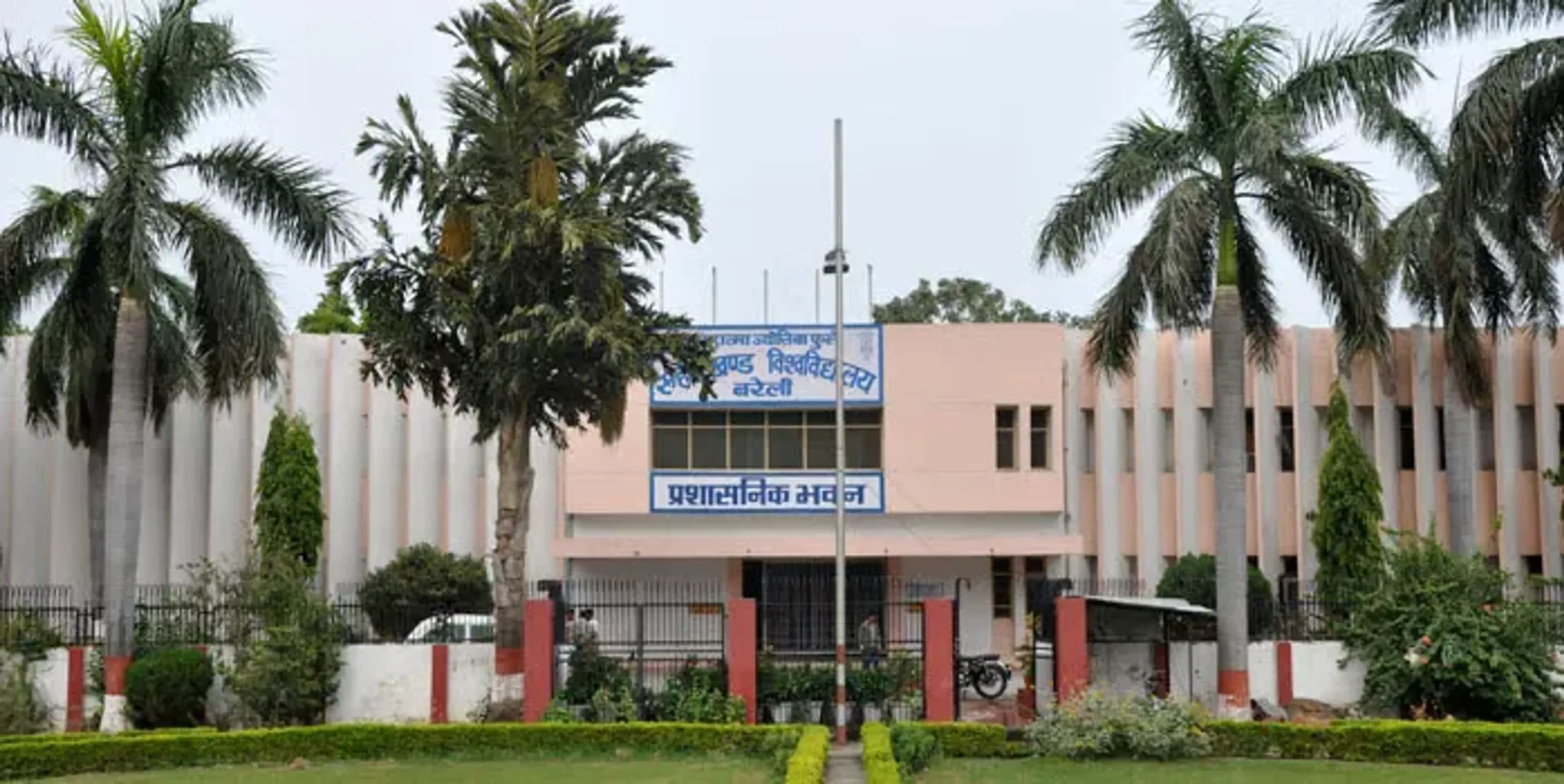
A controversy has broken out over the A++ grade awarded to Mahatma Jyotiba Phule Rohilkhand University in Bareilly, after a formal complaint alleged that the institution secured the top NAAC rating on the basis of forged and misleading documents submitted in its Self Study Report.
Complaint Challenges Data in Self Study Report
The complaint, filed by Jitendra Patel before the Director of the National Assessment and Accreditation Council, seeks a re evaluation of the university’s accreditation process. According to the complaint, the Self Study Report submitted on December 21, 2022 contained discrepancies and inflated academic claims that may have influenced the final grading outcome.
One of the main allegations concerns the number of academic programmes shown in the report. While the SSR is said to claim that the university runs 85 courses, official records allegedly list only 77. The complaint further alleges that more than 15 of the courses mentioned are either non existent or improperly recorded.
This has raised questions over whether the data presented in the report accurately reflected the university’s academic structure at the time of assessment. The complaint argues that such inconsistencies go to the heart of the credibility of the accreditation process.
Registration Begins for FutureCrime Summit 2026, India’s Largest Cybercrime Conference
Questions Raised Over Course Approvals
The complaint also alleges that integrated postgraduate and PhD programmes in the engineering department were shown as active in the SSR despite lacking approval from the All India Council for Technical Education. It further claims that MPhil programmes, which have reportedly remained inactive for nearly a decade, were incorrectly shown as continuing.
Additional concerns have been raised over post doctoral and advanced academic programmes such as DSC, D Litt and LLD. According to the complaint, these courses are neither operational at the university nor formally approved under Section 21(3) of the Uttar Pradesh State Universities Act, 1973.
The complaint also alleges that eight postgraduate diplomas, four diploma courses and several certificate or awareness programmes were presented in the report without proper regulatory clearance. Another issue flagged is the teacher student ratio, with the complainant alleging that the university did not meet UGC prescribed faculty norms and that the gap between required and actual teacher strength may have affected academic performance indicators used in accreditation.
University Rejects Allegations
The issue has widened into a debate over the reliability of accreditation systems in higher education, which depend heavily on institutional data placed before evaluation bodies. Academic observers have said that such systems require careful verification if public trust in university rankings and grades is to be maintained.
In response, the university administration has denied wrongdoing. University spokesperson Dr Vinay Verma said NAAC grading is awarded only after a thorough evaluation by an expert committee and that no internal member of the university is part of the accreditation panel. He described the allegations as baseless and misleading.
The complaint is now before NAAC authorities, and a review of the accreditation process has been sought. If the allegations are found to have substance, the matter could lead to a wider re examination of how institutional claims are verified during accreditation and whether stronger audit mechanisms are needed in higher education assessment.
About the author – Rehan Khan is a law student and legal journalist with a keen interest in cybercrime, digital fraud, and emerging technology laws. He writes on the intersection of law, cybersecurity, and online safety, focusing on developments that impact individuals and institutions in India.
